Protecting Landscapes: Geotextiles in Erosion Management
Erosion is often viewed as a destructive force, wearing away landscapes and causing environmental damage. However, with the right tools and techniques, erosion can be harnessed for positive outcomes. Geotextiles, a versatile material used in civil engineering and environmental projects, offer a solution to mitigate erosion while providing a range of benefits to various applications. These innovative fabrics reinforce soil and prevent erosion caused by heavy rainfall, wind, and water flow, serving as a protective barrier against the detrimental effects of natural elements.
How do geotextiles prevent erosion?
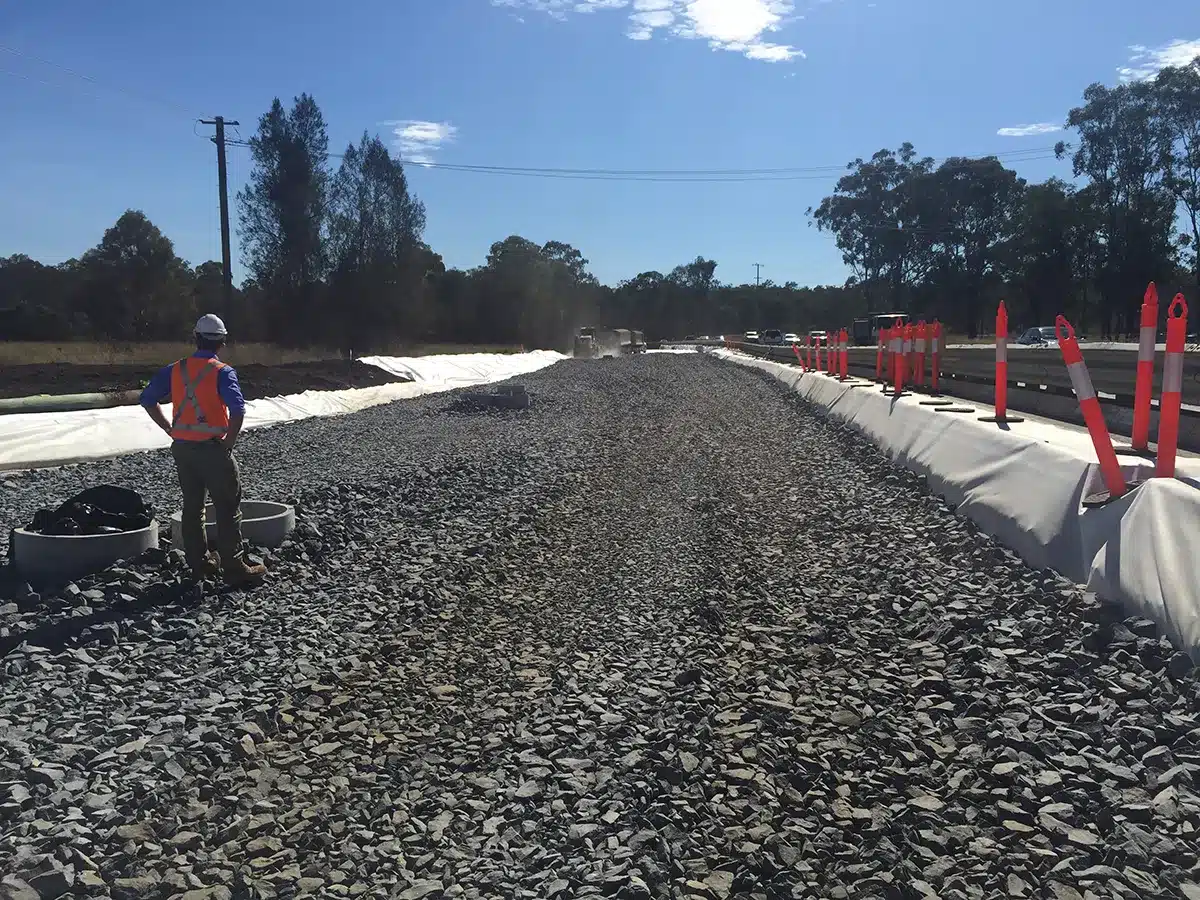
Geotextiles function as a barrier against erosion by stabilizing soil and preventing its displacement. When strategically placed, these fabrics form a protective layer that reinforces the soil structure, reducing the impact of water flow and preventing sediment loss. They provide strength, stability, and filtration capabilities to the soil, ensuring its resilience against erosive forces. By distributing stress and promoting filtration, geotextiles effectively combat erosion caused by factors such as rainfall, wind, and wave action.
What is geotextile fabric for erosion?
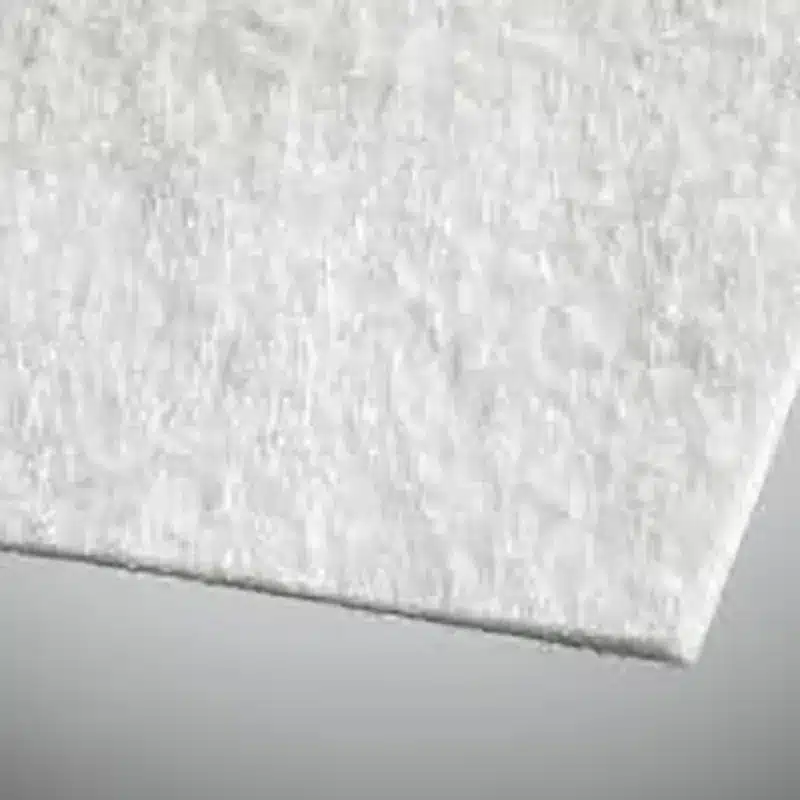
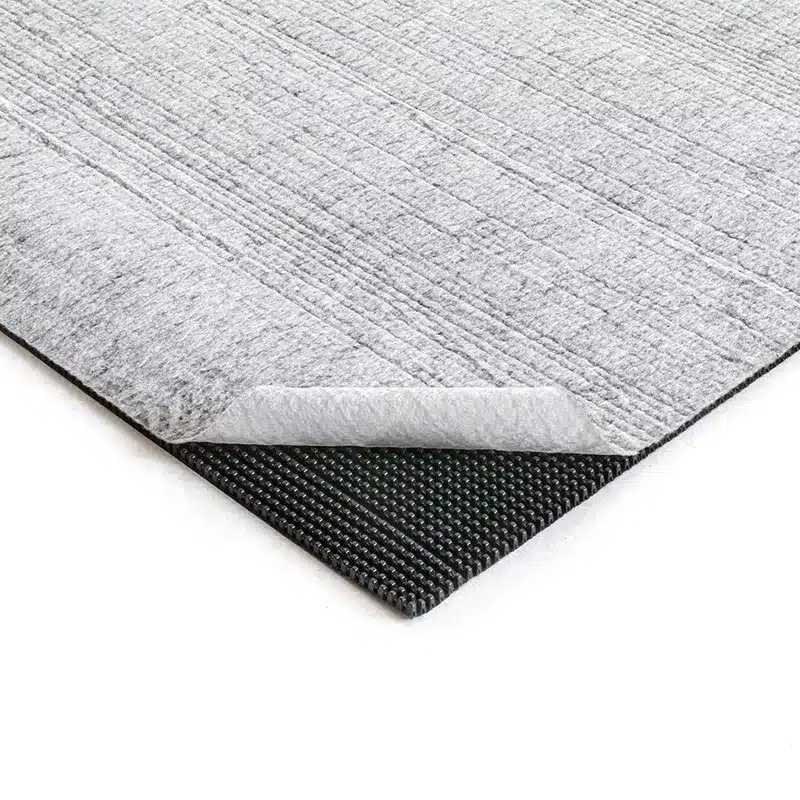
Geotextile fabric for erosion control is a specially designed material engineered to withstand environmental stresses while offering erosion protection. Made from synthetic polymers such as polypropylene or polyester, these fabrics are durable, flexible, and resistant to degradation. Their versatile nature means they can help mitigate soil erosion in various environments, offering tailored solutions for different erosion control needs, ranging from slope stabilization to shoreline protection. Available in various forms including woven and non-woven, geotextiles cater to different erosion control needs, ranging from slope stabilization to shoreline protection.
What are the benefits of geotextiles?
The use of geotextiles presents numerous advantages beyond erosion control. Firstly, these materials offer cost-effective solutions for soil stabilization, erosion control, drainage improvement, separation, filtration, protection, and reinforcement, reducing the need for frequent maintenance and ensuring long-term effectiveness. Additionally, geotextiles contribute to environmental sustainability by minimizing soil loss and sedimentation in water bodies, thus promoting eco-friendly practices. Moreover, their versatility extends to diverse applications such as road construction, landscaping, and agricultural engineering, making them invaluable in various industries.
How will geotextiles improve the site?
Integrating geotextiles into project sites can lead to significant improvements in stability, functionality, and longevity. By providing a stable base for soil and preventing it from being washed away by water, these materials preserve soil integrity, safeguarding infrastructure and landscapes from damage. Moreover, geotextiles enhance site aesthetics by providing erosion control solutions that blend seamlessly with the natural environment. With reduced maintenance requirements and enhanced durability, sites fortified with geotextiles experience prolonged service life and increased resilience to environmental challenges.
Geotextiles offer a multifaceted approach to erosion control, harnessing the power of erosion for beneficial outcomes. By preventing soil loss, promoting stability, and enhancing site performance, these versatile materials play a crucial role in sustainable development and environmental conservation. Embracing geotextiles as a solution not only addresses erosion challenges but also unlocks a myriad of benefits across various industries and applications.



Comments
Post a Comment