Geotextile Fabric Weight: Key Factor in Civil Engineering Applications
Geotextile fabric, a versatile material engineered for various civil engineering applications, has gained significant attention due to its remarkable properties. Among the crucial factors influencing its performance is fabric weight. In this article, we delve into the intricacies of geotextile fabric weight, exploring its significance, density, calculation methods, and more.
What is the weight of geotextile fabric?
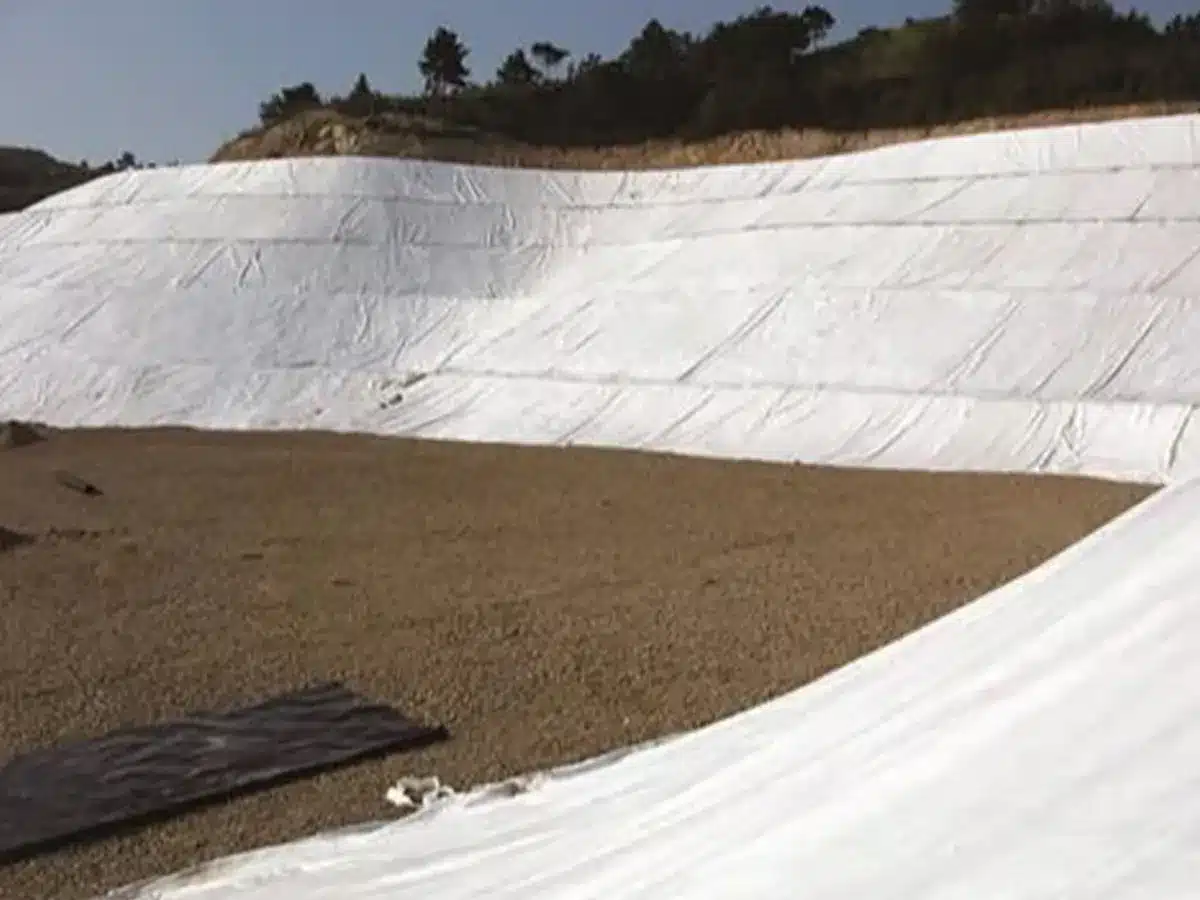
Geotextile fabric weight refers to the mass of the fabric per unit area, typically measured in grams per square meter (gsm) or ounces per square yard (osy). This weight is a crucial indicator of the fabric’s strength, durability, and suitability for specific applications, spanning from 3 oz. (lightweight fabrics) to 16 oz. (heavyweight fabrics).
What is the density of geotextile fabric?
Geotextile fabric density is the mass of the fabric material per unit volume. It is calculated by dividing the fabric weight by its thickness. Density plays a vital role in determining the fabric’s permeability, filtration capabilities, and resistance to deformation under load, with the minimum density of geotextile typically starting at 80g/m2 and reaching over 500g/m2 for heavier variants.
What is the weight of the fabric?
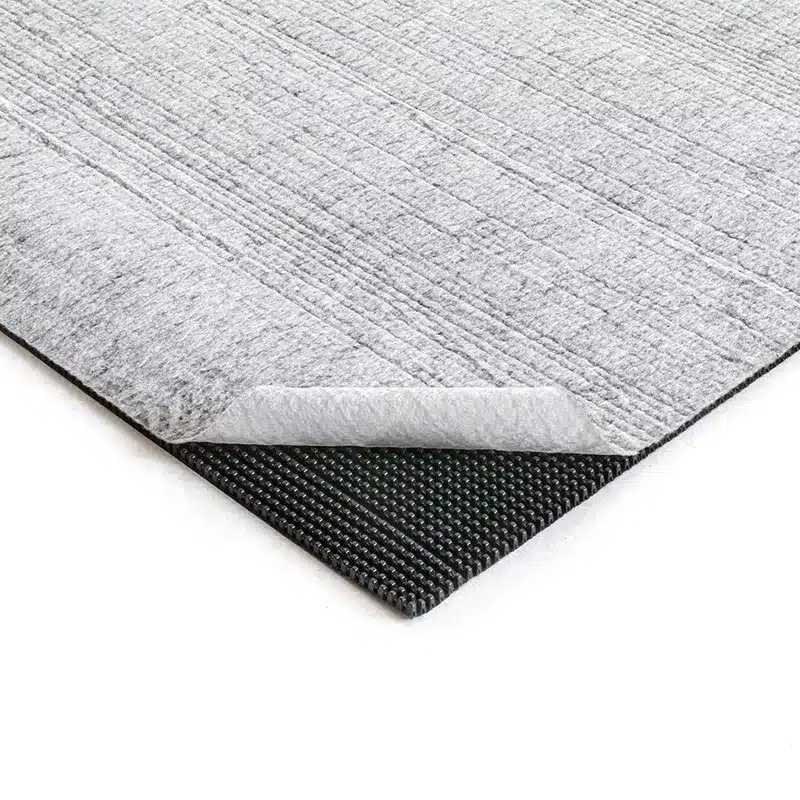
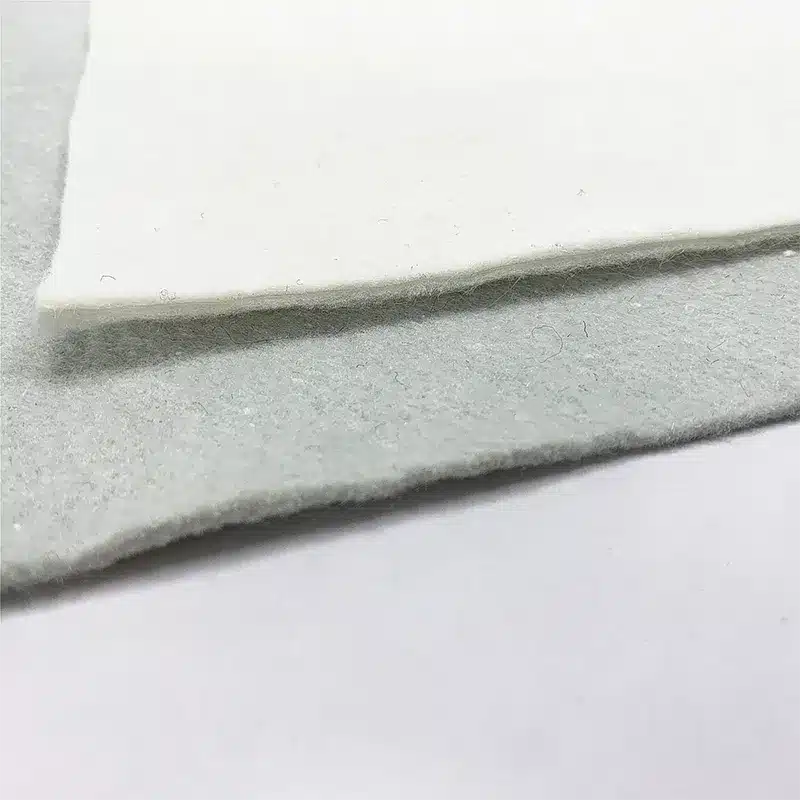
The weight of the fabric is determined by factors such as the type of fibers used, weaving or knitting patterns, and additional coatings or treatments applied to enhance performance, influencing how heavy or light a fabric is, usually measured in grams per square meter (GSM) or ounces per square yard (oz/yd2). Different geotextile fabrics, such as woven, non-woven, and knitted, have varying weights depending on their intended use and engineering requirements.
How do you calculate geotextile fabric weight?
Geotextile fabric weight can be calculated using a simple formula:
Fabric Weight = Fabric Area × Fabric Density
To find the fabric area, measure the length and width of each section. Multiply these two dimensions to get the area in square meters. The manufacturer typically provides fabric density or can be measured experimentally. By accurately determining the fabric weight, engineers can ensure the proper selection and application of geotextile materials in construction projects.
Understanding the weight of geotextile fabric is essential for engineers and construction professionals to make informed decisions regarding material selection and project design. By grasping the concepts of fabric weight, density, and calculation methods, stakeholders can optimize the performance and longevity of geotextile applications, contributing to safer, more sustainable infrastructure development worldwide.


Comments
Post a Comment