Why Geomembrane is Crucial for Hydraulic and Geotechnical Projects
Geomembrane fabric is a fundamental component widely used in various environmental, geotechnical, and hydraulic applications. This article will provide a detailed insight into what geomembrane is, how it differs from geotextile, the raw materials used in its production, and its diverse applications. Understanding geomembrane helps professionals and stakeholders make informed decisions in projects requiring durable and effective containment solutions.
What is geomembrane material?
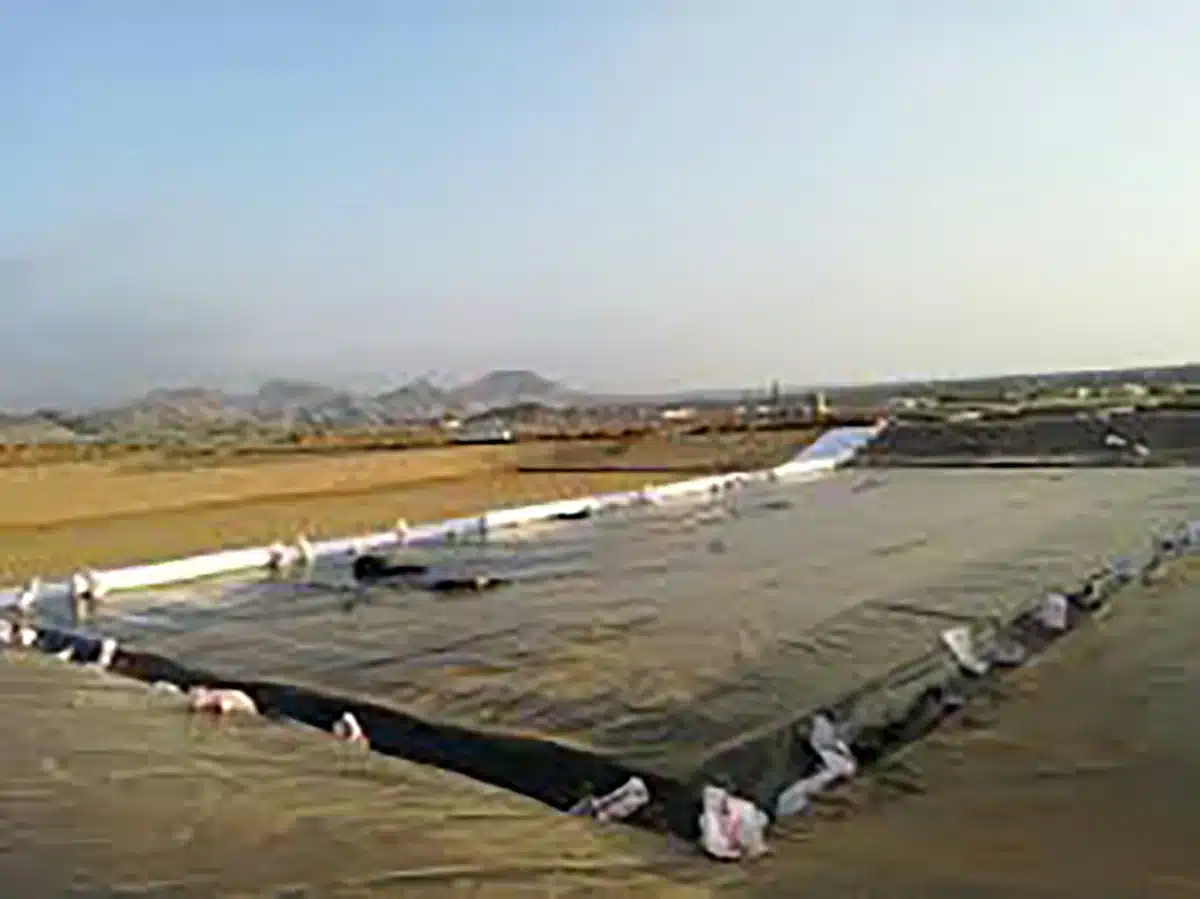
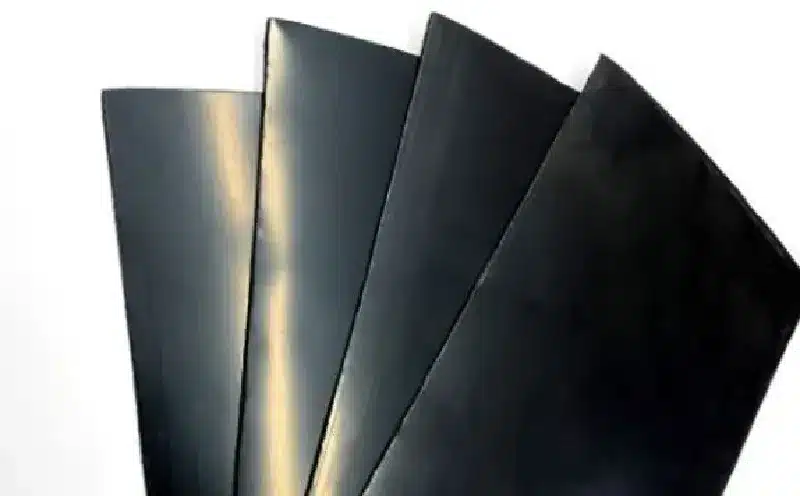
Geomembrane material is a very low permeability synthetic membrane liner or barrier used primarily to control fluid (or gas) migration in a human-made project, structure, or system. Often referred to as giant impermeable membranes made of (un)reinforced polymeric materials, geomembranes are crafted from relatively thin continuous polymeric sheets. They can also be made by impregnating geotextiles with asphalt, elastomer, or polymer sprays, or by embedding geotextiles between two layers of geomembrane. The primary function of a geomembrane is to ensure impermeability, making it indispensable for critical applications such as landfill liners, water reservoirs, and mining operations.
What is the difference between geotextile and geomembrane?
The key difference between geotextile and geomembrane lies in their permeability and primary function. Geotextiles, which are essentially fiber cloth geotextiles, are permeable fabrics that, when used in association with soil, have the ability to separate, filter, reinforce, protect, or drain. They are typically made from polyester or polypropylene fibers. Geomembranes, on the other hand, are impermeable membranes often described as plastic films, used extensively as liners to prevent the migration of liquids in containment applications. Essentially, geotextiles serve functions like reinforcement or filtration, while geomembranes are dedicated to containment tasks.
What is the raw material for the geomembrane?
Geomembranes are primarily made from synthetic polymers that include high-density polyethylene (HDPE), polyvinyl chloride (PVC), ethylene propylene diene monomer (EPDM) rubber, and polypropylene (PP). Specifically, PVC geomembranes are composed of polyvinyl chloride resin mixed with plasticizers, fillers, and additives to enhance flexibility and durability. These materials are chosen for their overall durability, chemical resistance, and low permeability. The selection of the raw material for a geomembrane depends on the specific requirements of the project, such as the degree of chemical exposure, UV radiation exposure, and mechanical stresses.
What is geomembrane used for?
Geomembranes serve a variety of purposes across multiple industries. They are commonly used in environmental protection applications such as landfill liners to prevent leachate from contaminating groundwater and floating covers for odor control in water treatment plants. In aquaculture, geomembranes are used to line ponds where they prevent water loss and maintain hygienic conditions. They are also used in the construction of retention ponds, artificial lakes, and irrigation canals, showcasing their versatility in water management and conservation projects.
Geomembrane fabric is an indispensable material in modern engineering, offering effective solutions for waterproofing and containment challenges across diverse sectors. Its ability to isolate contaminants from the environment while withstanding harsh conditions makes it a go-to choice for engineers and project managers worldwide. With its distinct characteristics differentiated from geotextiles and its production from various synthetic materials, geomembrane continues to play a critical role in ensuring environmental protection and efficient resource management.


Comments
Post a Comment