The Ultimate Guide to Geogrid for Long-Lasting Retaining Walls
When considering the construction of a retaining wall, understanding the role of geogrid can be a game-changer in ensuring long-term stability and durability. This guide provides a deep dive into the world of geogrids, exploring their necessity, application, and the distinctions between geogrids and similar materials like geotextile. Whether you’re a homeowner looking to fortify your landscape or a professional in search of reliable solutions, this article sheds light on the key aspects of geogrids for retaining walls.
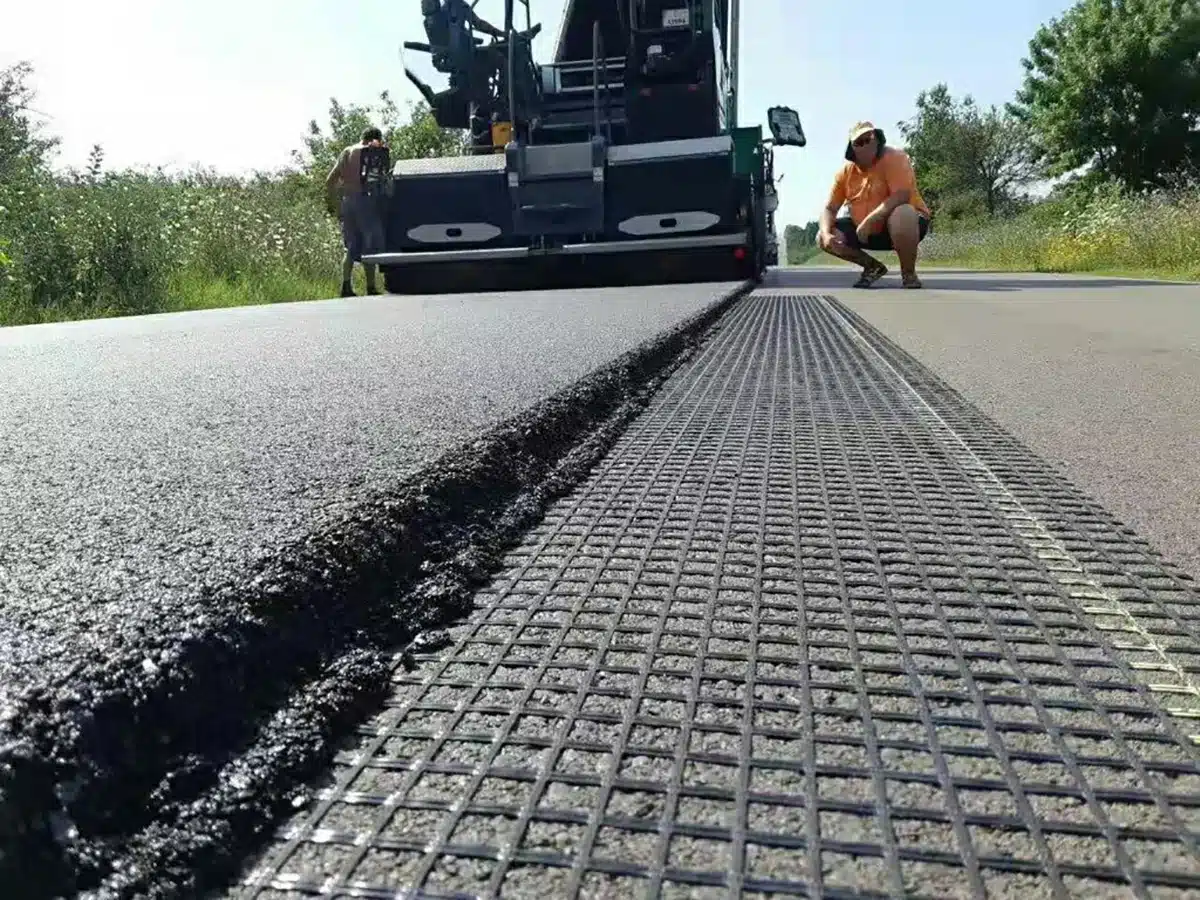
Is geogrid necessary for a retaining wall?
The necessity of a geogrid for a retaining wall hinges on several factors, including the wall’s height, the soil’s characteristics, and the load it needs to bear. It is essential in retaining walls, particularly those above three or four feet, where geogrid becomes integral to the structure’s stability. Serving to reinforce the wall, geogrid distributes pressures evenly and enhances the wall’s ability to withstand various forces. The integration of geogrid thus provides significant support against the lateral pressures of soil, effectively preventing failure and prolonging the lifespan of the retaining wall.
How tall can a retaining wall be without geogrid?
The maximum height of a retaining wall without geogrid support typically ranges between 3 to 4 feet, depending on local building codes and the soil conditions. Beyond this height, the stability of a wall solely relying on its weight and construction material diminishes, making geogrid reinforcement a necessary component for added strength and stability. For walls exceeding this height, incorporating geogrid layers at strategic intervals is crucial to managing the earth’s pressures effectively.
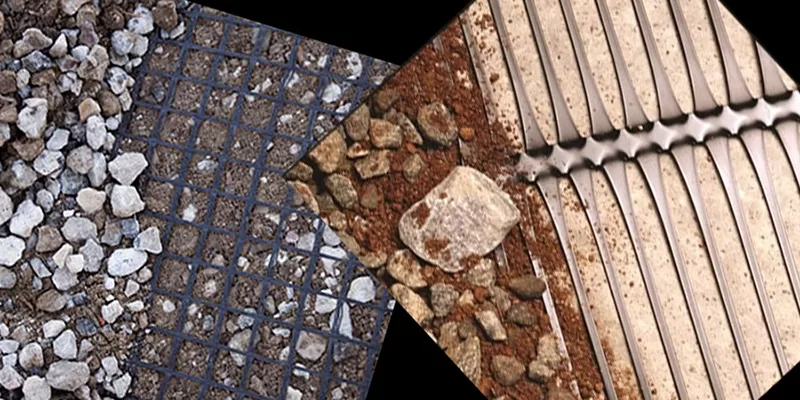
How far back should Geogrid go on a retaining wall?
The extent to which geogrid should extend back from a retaining wall is largely determined by the wall’s height and the soil pressure, at the design elevation for the entire wall length, or until a wall step is reached. A good rule of thumb is that the length of the geogrid should be at least 60% to 70% of the wall’s height. For instance, if the wall is 10 feet high, the geogrid should extend back at least 6 to 7 feet. This depth ensures that the geogrid can adequately anchor the wall, providing the necessary tension resistance against the forces exerted by the soil.
What is the difference between geogrid and geotextile?
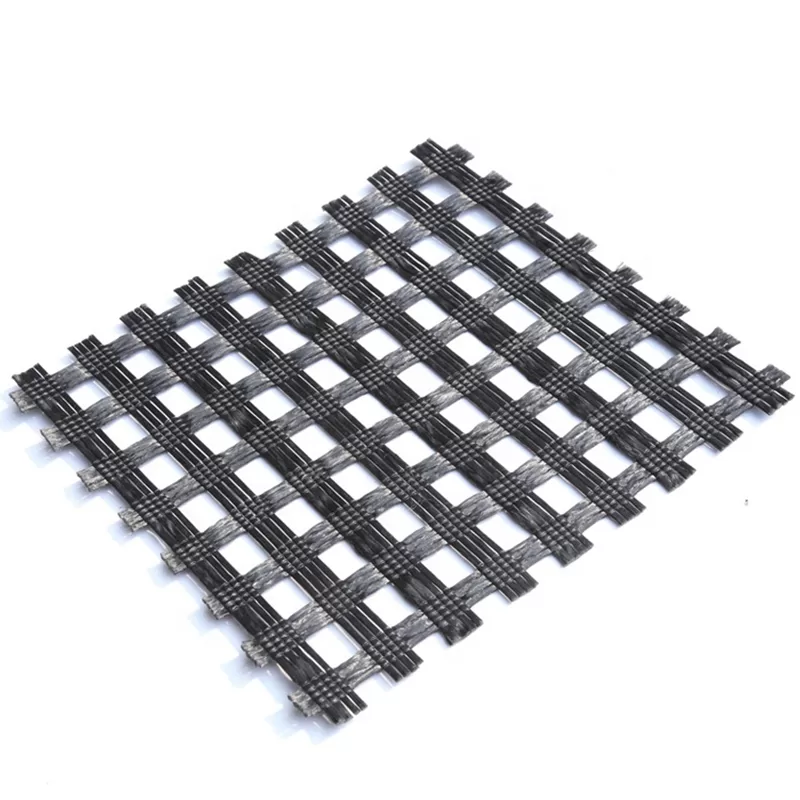
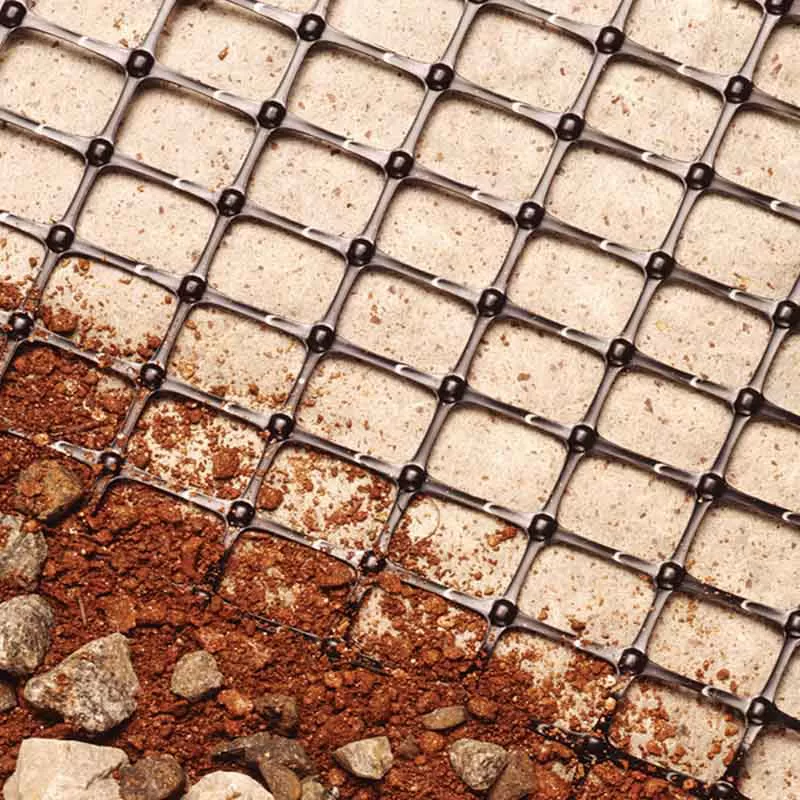
While both geogrid and geotextile are used in civil engineering projects to enhance soil stability, they differ significantly in structure and function. Geogrids are characterized by their open, grid-like structure, designed to interlock with soil and aggregate particles, providing reinforcement and stabilization. In contrast, geotextiles are permeable fabrics that primarily focus on separation and filtration, preventing soil from clogging drainage systems while allowing water to pass through. Although both can be used in conjunction with retaining walls, geogrids are specifically sought after for their superior ability to reinforce and strengthen the structure.
The incorporation of geogrid into the construction of retaining walls marks a critical step toward ensuring stability and durability. Whether it’s determining the necessity of geogrid, understanding its proper installation, or distinguishing it from materials like geotextile, this guide aims to equip homeowners and professionals alike with the knowledge needed to make informed decisions. By addressing common questions and highlighting essential considerations, we illuminate the path to constructing resilient and long-lasting retaining walls.



Comments
Post a Comment