Navigating Complex Drainage Requirements with Geocomposite Technology
The realm of civil engineering and construction has continually evolved, integrating advanced materials and methodologies to ensure the structural integrity and longevity of projects. One such innovation that has significantly impacted the industry is the use of geocomposite drainage systems. This article aims to elucidate the concept of geocomposite drain installation, a sophisticated solution that addresses complex drainage requirements while offering economic and environmental benefits. We will explore what geocomposite drainage layers are, delve into specifics such as thickness, compare geocomposites with geotextiles, and understand the role of composite materials in drainage solutions.
What is a Geocomposite Drainage Layer?
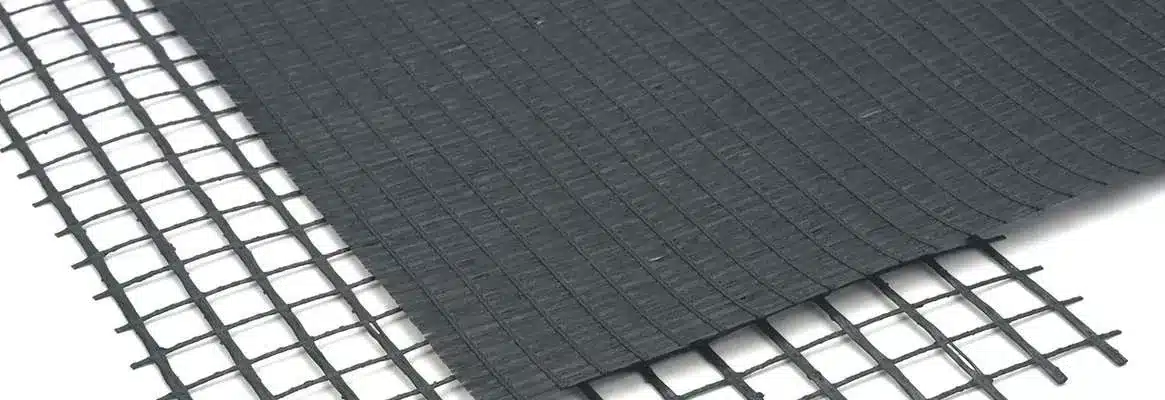
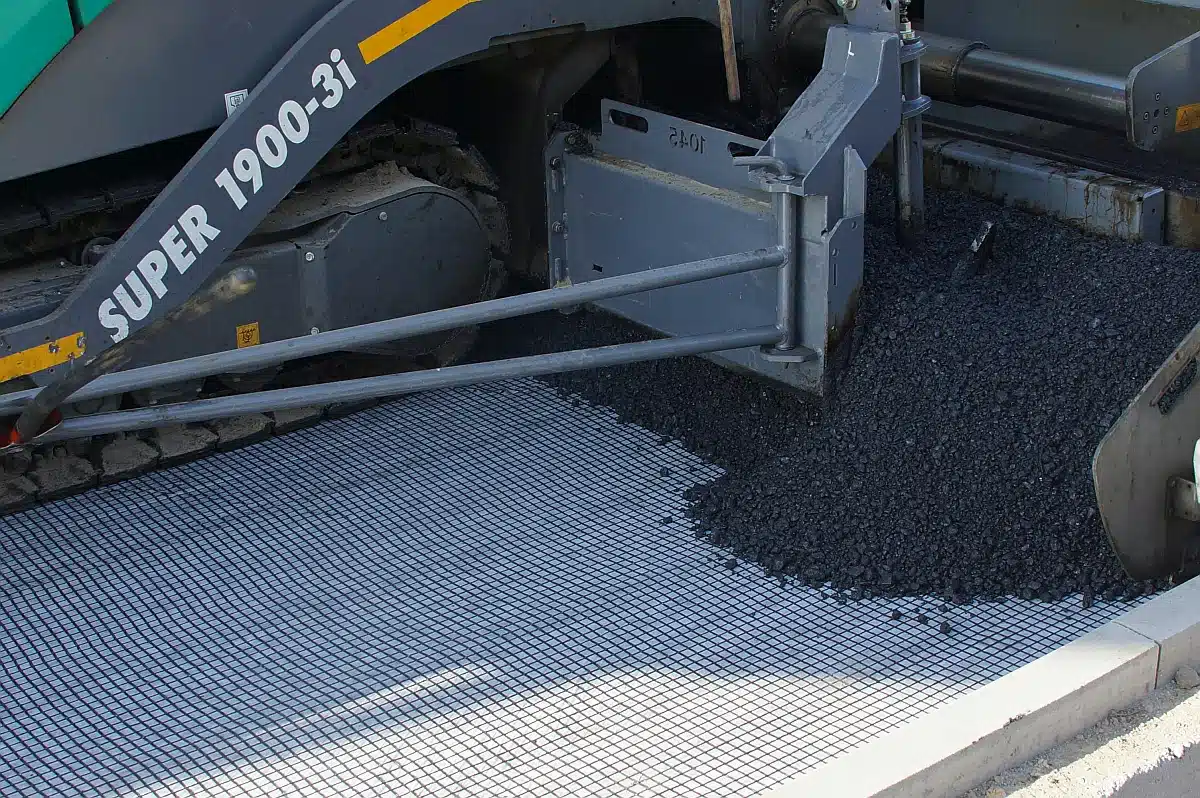
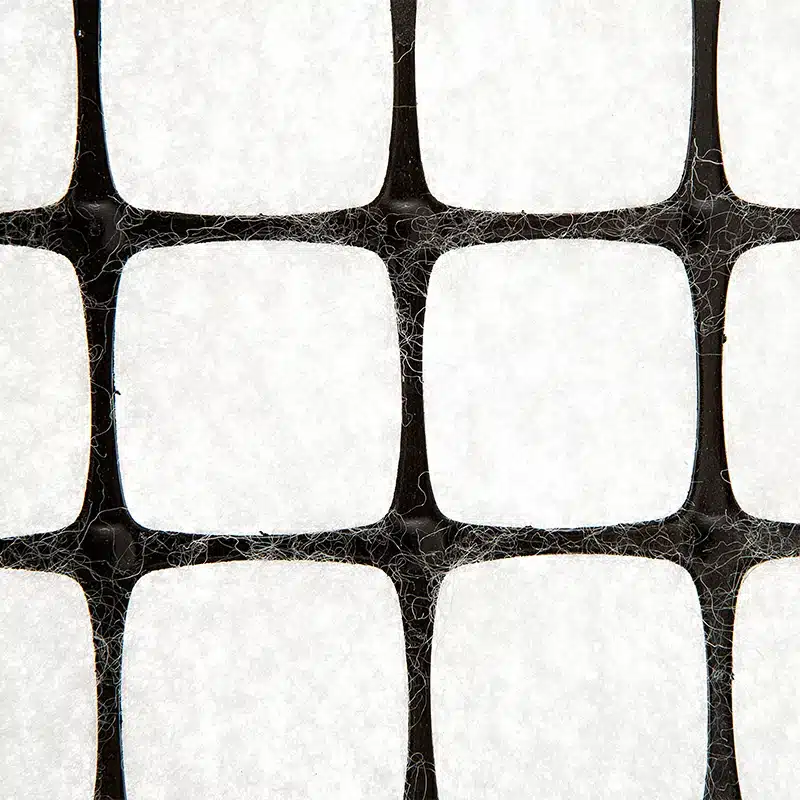
Geocomposite drainage layers are engineered materials that combine two or more geosynthetic components, typically consisting of a geonet bonded with geotextile layer(s) on one or both sides, along with geomembranes, to facilitate efficient water drainage in civil engineering projects. These layers are specifically designed to offer a high level of fluid transmission while providing filtration and separation functionalities. By incorporating the structural benefits of geonets for drainage with the protective and filtration capabilities of geotextiles, geocomposite drains become highly effective in a variety of applications. These include landfill covers, underground structures, roadways, and retaining walls, offering an effective solution to manage water and prevent the accumulation that can lead to structural damage.
How Thick is a Geocomposite Drain?
The thickness of a geocomposite drain can vary significantly depending on the application and the specific product used. Typically, for standard applications, geocomposite drains fall within the range of “Between 4 and 10 mm” in thickness, although some specialized products may extend to several centimeters to meet specific requirements. This selection of thickness is crucial and is meticulously based on the drainage capacity required, soil characteristics, and the load it needs to withstand. For instance, heavier civil engineering applications may necessitate thicker geocomposite drains, beyond the typical range, to ensure adequate drainage while also supporting the substantial structural loads they may encounter.
What is the Difference Between Geocomposite and Geotextile?
虽然土工复合材料和土工织物都用于排水和过滤应用,但主要区别在于它们的结构和功能。土工织物是渗透性织物,当与土壤结合使用时,具有分离、过滤、加固、保护或排水的能力。另一方面,土工复合材料由一种或多种土工合成材料(特别是土工格栅、土工织物、土工膜和/或土工网)与另一种材料的组合组成,提供多功能解决方案。该组合物不仅促进排水,而且增强分离和过滤的程度,并且在一些情况下,提供针对液体和气体的屏障保护。因此,土工复合材料提供了一种更加集成的解决方案,可以满足复杂的工程需求,使其与结构和功能更简单的土工织物显着区别。
什么是排水复合材料?
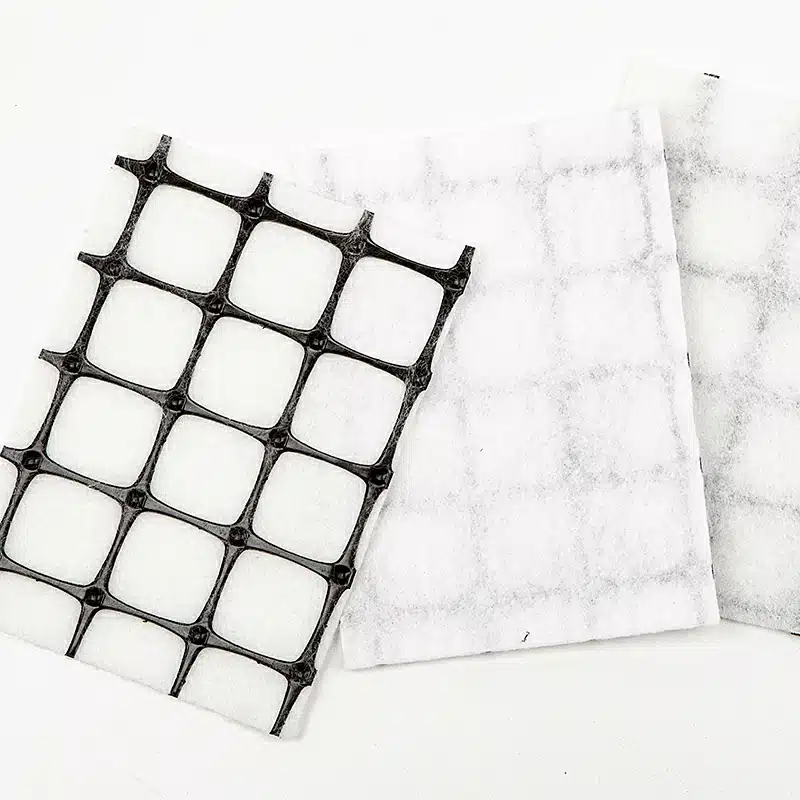
排水用复合材料是指将多种具有不同性能的材料集成在一起的产品,以实现单一材料解决方案无法实现的卓越排水性能。具体来说,在土工复合排水管中,通常由附着在无纺土工织物上的塑料三维芯、用于过滤和分离的土工织物以及用于高效输水的土工网或土工膜的组合组成。这种协同集成,包括塑料芯提供的结构支撑与土工织物的过滤能力相结合,形成了高性能的排水系统。这样的系统可以有效地管理水流,降低静水压力,并提高土木工程结构的耐久性。
土工复合材料排水装置代表了建筑和土木工程的关键进步,为解决复杂的排水问题提供了多方面的方法。通过不同材料的集成,土工复合材料排水沟提供卓越的排水、过滤和保护功能。了解土工复合材料层的细微差别(从厚度到与土工织物的比较),并认识复合材料在排水中的作用,对于旨在在项目中实施有效水管理解决方案的专业人员至关重要。随着建筑行业的不断发展,土工复合材料排水系统的应用将变得越来越普遍,这凸显了了解这些创新材料和技术的重要性。


Comments
Post a Comment