How Geocomposite Drainage Systems Enhance Construction Efficiency
The field of civil engineering is continually advancing with innovative solutions aimed at enhancing efficiency and sustainability. Among these innovations, geocomposite drainage systems have emerged as a pivotal technology in managing water flow and soil stabilization in various construction and environmental projects. This article delves into the importance, functionality, and supply aspects of geocomposite drainage systems, providing essential insights into their role in modern infrastructure.
What is a Geocomposite Drainage System?
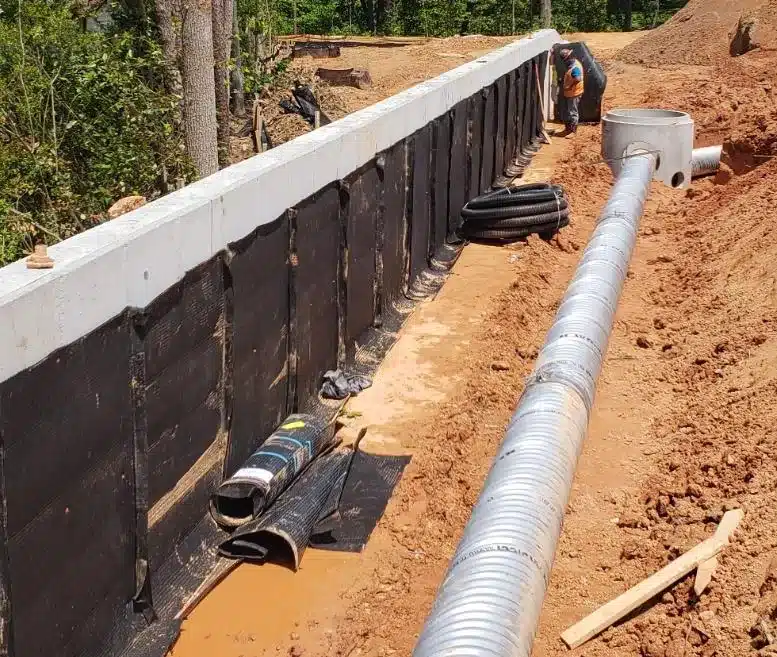
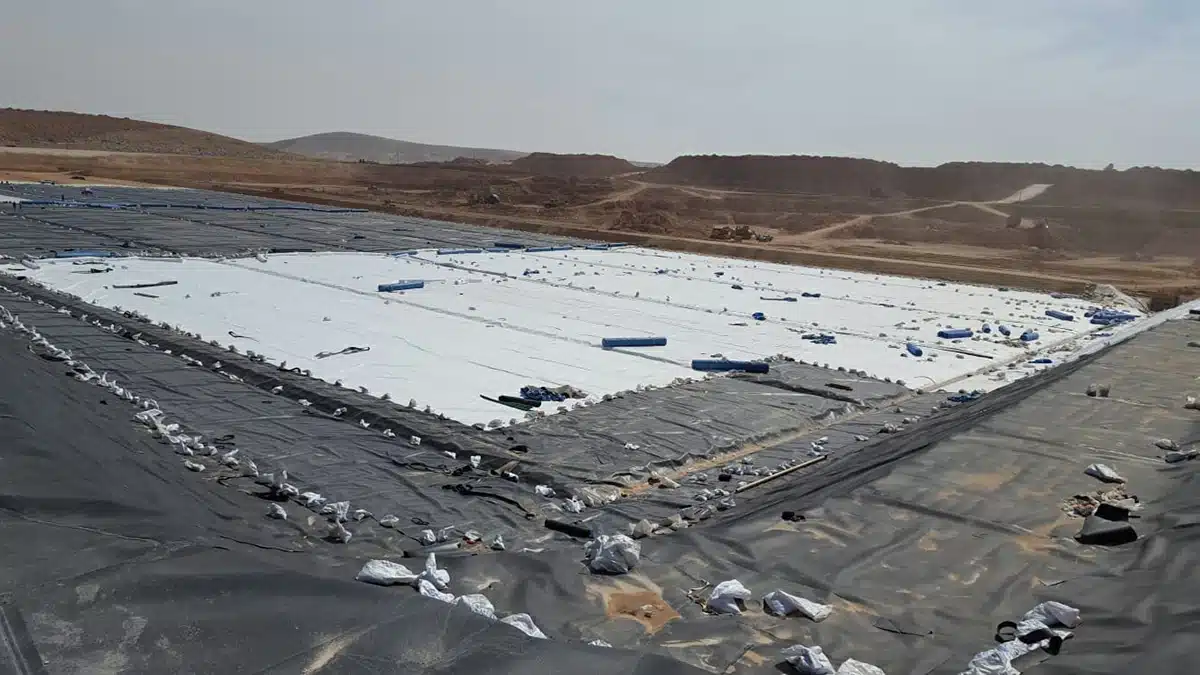
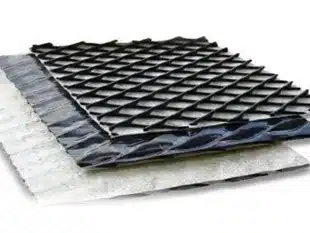
A geocomposite drainage system is a synthetic material used in civil engineering that combines geotextiles, geonets, and geomembranes. These systems are engineered to facilitate efficient water drainage and soil filtration. They are typically used in applications such as roadways, retaining walls, landfills, and green roofs, where conventional drainage solutions may not be viable. By integrating multiple materials, geocomposite systems offer superior drainage, high tensile strength, and excellent filtration capabilities.
How Do Geocomposite Drainage Systems Benefit Construction Projects?
Geocomposite drainage systems offer numerous benefits to construction projects that impact both cost and performance. First, they significantly reduce the thickness and amount of traditional aggregate materials needed, leading to lower construction costs and reduced environmental impact. They also speed up construction processes because they are easier and faster to install than conventional drainage solutions. Furthermore, their versatility makes them suitable for a wide range of applications, from roads to roofing, enhancing their utility in complex engineering projects.
What Should One Consider When Choosing a Geocomposite Drainage System Supplier?
Selecting a reliable supplier for geocomposite drainage systems is crucial. Key factors to consider include the range of products offered, compliance with industry standards, and the technical support available. It is also important to evaluate the supplier’s reputation for quality and service, as well as their capacity to provide consistent supply and logistical support. Additionally, working with suppliers who invest in innovation and sustainability can ensure that the most advanced and environmentally friendly solutions are available for your project.
What Future Trends Are Expected in the Geocomposite Drainage System Market?
The future of geocomposite drainage systems looks promising with several trends poised to influence their development. There is a growing emphasis on sustainable and green construction practices, which will likely drive innovations in eco-friendly materials and recycling technologies within the geocomposite industry. Advances in manufacturing technology may also lead to more efficient and cost-effective production processes. Furthermore, as global infrastructure demands increase, the need for durable and adaptable drainage solutions will drive continued growth and innovation in the geocomposite market.
Geocomposite drainage systems are a key component in the evolution of modern infrastructure, offering a blend of efficiency, sustainability, and versatility. These systems not only address traditional drainage and stability challenges but also present a forward-looking solution that aligns with the global push toward greener construction practices. As the demand for more sophisticated and environmentally conscious construction materials grows, the supply and development of geocomposite drainage systems are set to expand, reflecting their critical role in shaping future landscapes.




Comments
Post a Comment