Harnessing the Power of GeoNet Water Flow: A Guide to Innovative Water Management
GeoNet water flow is a pioneering concept that leverages geosynthetic materials to enhance water distribution and management systems. This technology is instrumental in various applications, including agriculture, civil engineering, and environmental conservation. This article explores the functionality, benefits, and potential of GeoNet water flow systems, answering some common questions about this innovative technology.
What is GeoNet Water Flow?
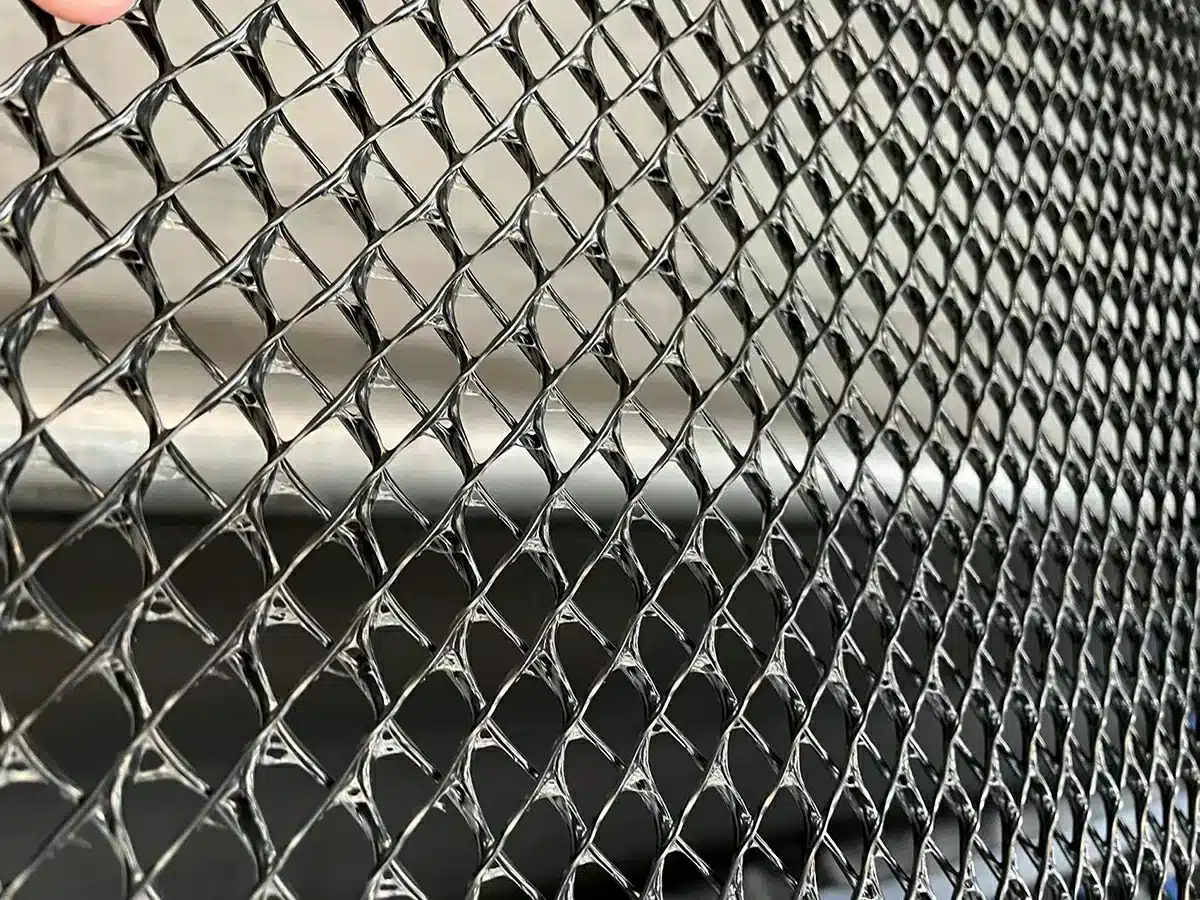
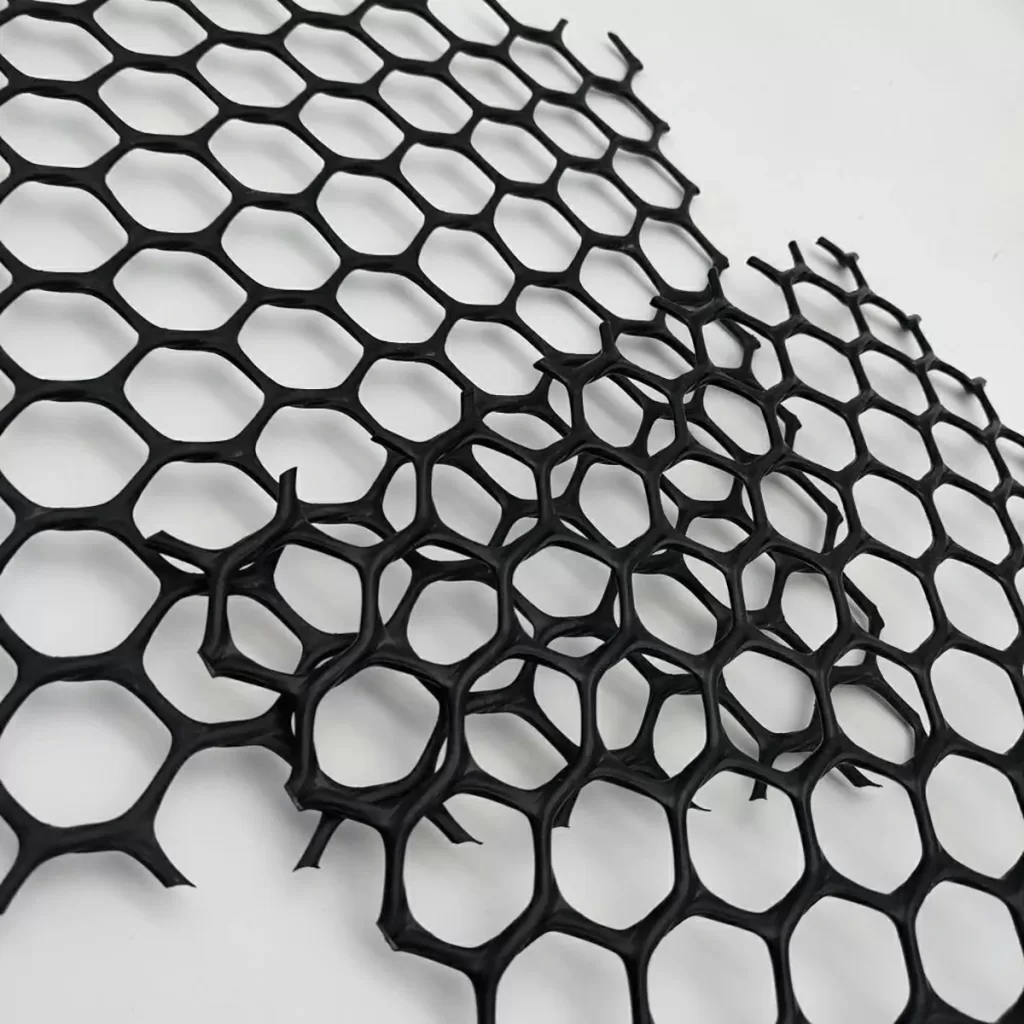
GeoNet water flow refers to the movement of water through a network of geosynthetic materials known as GeoNets. These are three-dimensional, net-like structures made from synthetic polymers, designed to facilitate efficient water conveyance and distribution. GeoNets are used to improve subsurface drainage, prevent soil erosion, and manage water resources more effectively.
How does GeoNet Water Flow contribute to agricultural efficiency?
In agriculture, GeoNet water flow systems are used to optimize irrigation and drainage. By evenly distributing water across agricultural fields, GeoNets ensure that water reaches the root zones of plants more effectively. This reduces water wastage, minimizes the risk of overwatering, and promotes healthier crop growth. Additionally, these systems help in collecting excess water, which can be recycled and reused, enhancing water conservation in farming practices.
What are the environmental benefits of using GeoNet Water Flow?
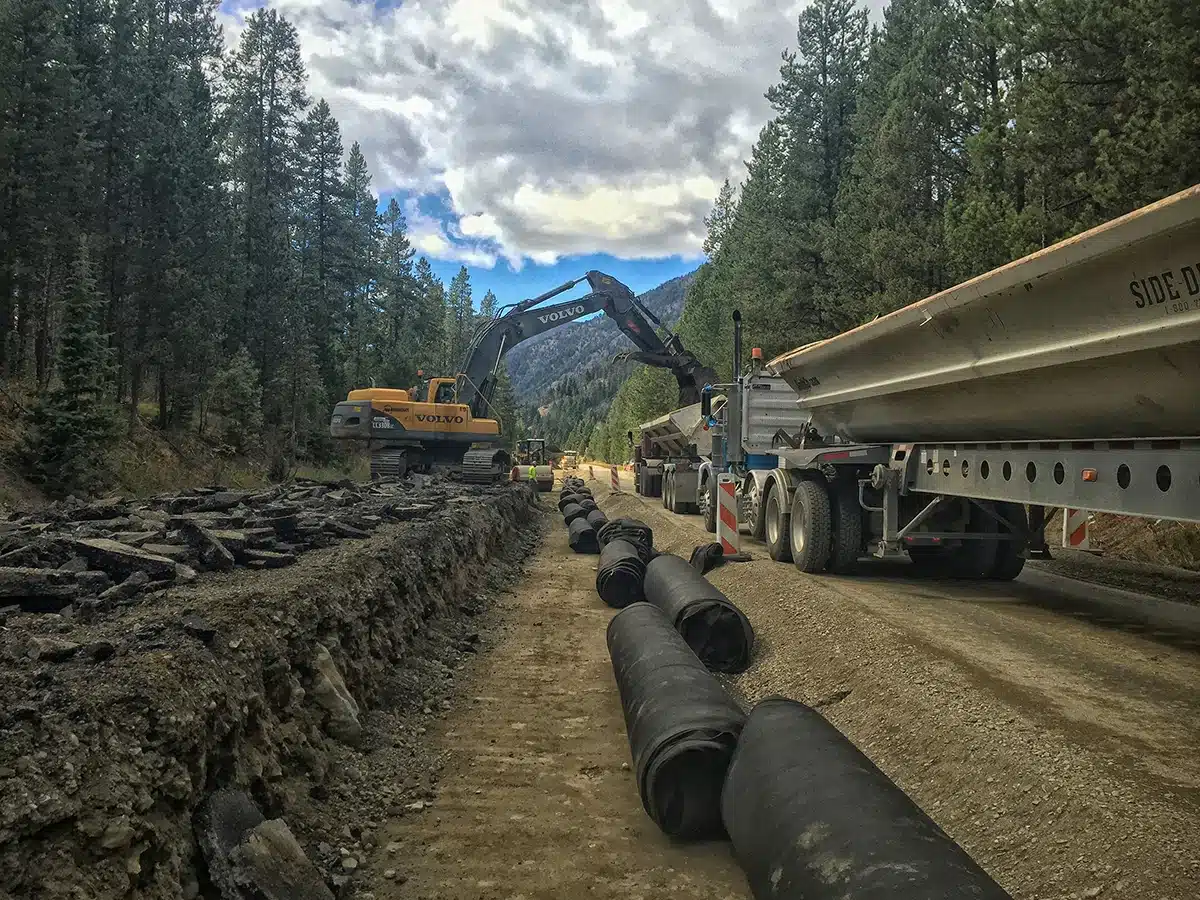
GeoNet water flow systems offer significant environmental benefits by reducing surface runoff and preventing soil erosion. These systems promote the infiltration of rainwater into the soil, replenishing groundwater supplies and mitigating flood risks. Furthermore, by controlling erosion, GeoNets help preserve natural landscapes and prevent sediment from polluting nearby water bodies. This makes them an excellent tool for sustainable land and water management.
Are there any limitations to the use of GeoNet Water Flow?
While GeoNet water flow systems are highly beneficial, there are some limitations to consider. The initial cost of installation can be relatively high, particularly for large-scale applications. Additionally, the effectiveness of these systems can be influenced by soil type, topography, and climatic conditions. Regular maintenance is also necessary to ensure that the GeoNets do not become clogged with debris or sediment.
GeoNet water flow technology represents a significant advancement in the way water is managed and utilized in various sectors. From improving agricultural productivity to enhancing environmental sustainability, the benefits of using GeoNet systems are vast. Although there are some challenges associated with their use, the advantages far outweigh the limitations. As water management becomes increasingly critical in the face of global challenges, GeoNet water flow systems offer a promising solution for the future.


Comments
Post a Comment