Geotextile Fabrics: Revolutionizing Environmental Management & Drainage
In the evolving landscape of civil engineering and environmental management, the integration of advanced drainage systems with geotextile fabric barriers represents a significant leap forward. This article delves into the synergy between cutting-edge drainage solutions and the versatile application of geotextile fabrics, shedding light on their pivotal role in enhancing infrastructure resilience, promoting sustainable water management, and protecting vulnerable habitats. Through an engaging question-and-answer format, we aim to demystify the complexities surrounding this technology, offering insights into its functionality, benefits, installation processes, and future implications.
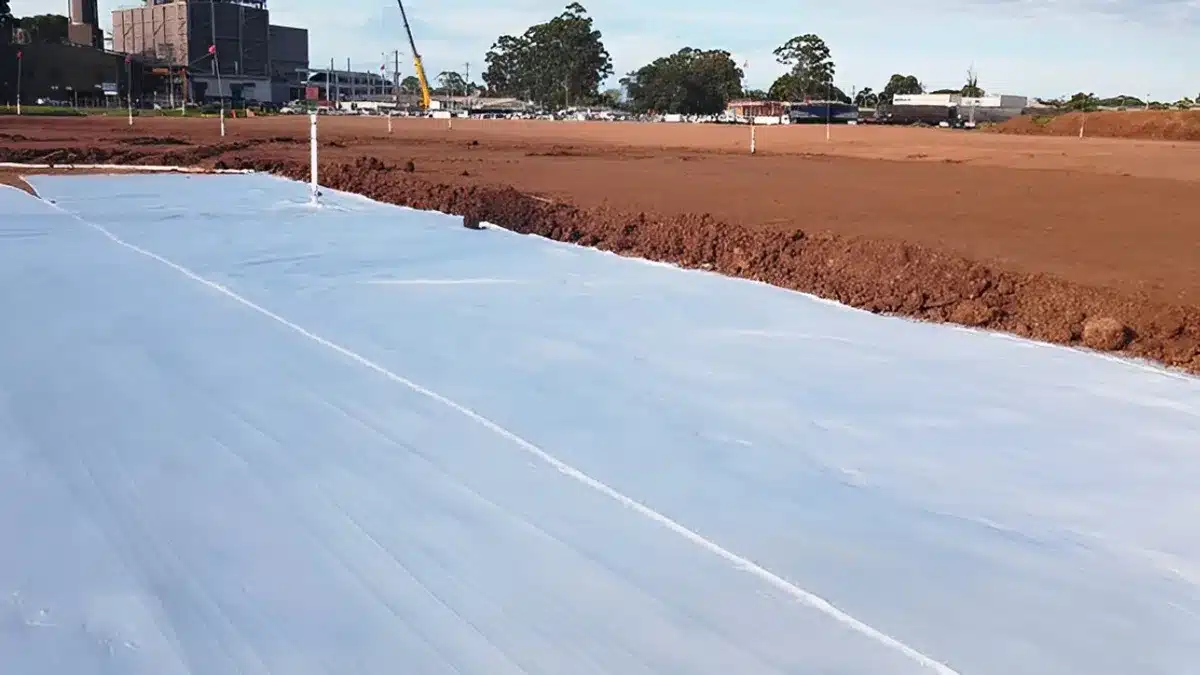
What is Geotextile Fabric and How Does it Enhance Drainage Systems?
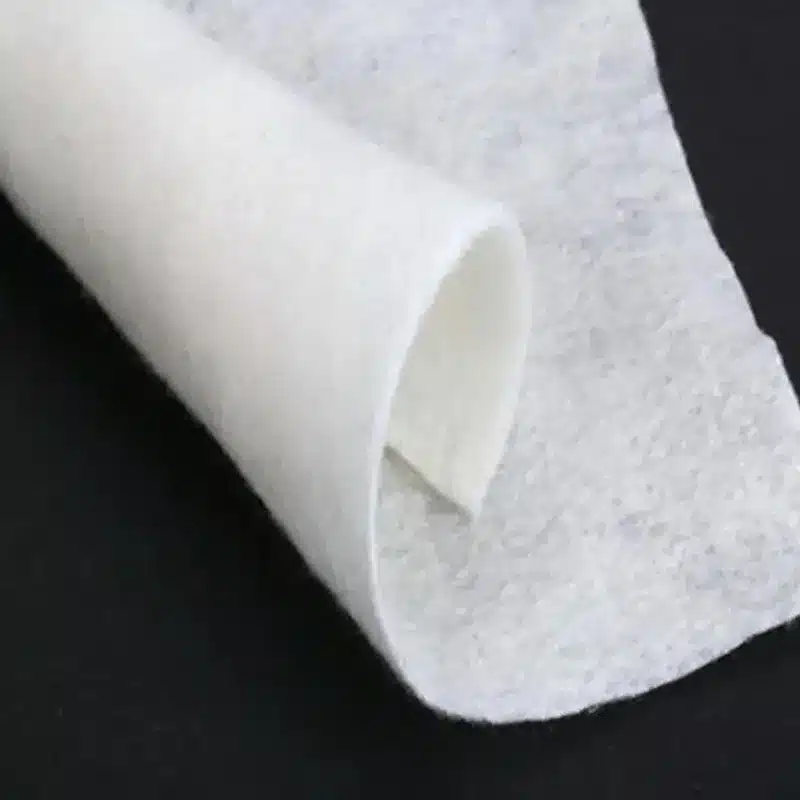
Geotextile fabric, a permeable material made from synthetic or natural fibers, is engineered to provide filtration, separation, reinforcement, and drainage when integrated into soil. When applied to drainage systems, geotextile fabric acts as a barrier that filters sediments, preventing the clogging of drainage channels while allowing water to pass through. This not only enhances the efficiency and longevity of drainage systems but also contributes to soil stabilization and erosion control, making it an invaluable component in sustainable infrastructure development.
What are the Key Benefits of Incorporating Geotextile Fabric Barriers in Advanced Drainage Systems?
The incorporation of geotextile fabric barriers in drainage systems offers multiple benefits:
- Improved Water Quality: By filtering sediments and contaminants, geotextiles contribute to cleaner water discharge, which is crucial for environmental protection.
- Enhanced Durability: Geotextiles prevent soil particles from entering drainage systems, reducing the risk of blockages and wear, thereby extending the system’s lifespan.
- Cost-Effectiveness: With reduced maintenance needs and enhanced system durability, geotextile-enhanced drainage systems offer significant long-term savings.
- Versatility: Geotextile fabrics are adaptable to various terrains and conditions, making them suitable for a wide range of applications, from agricultural fields to urban infrastructure.
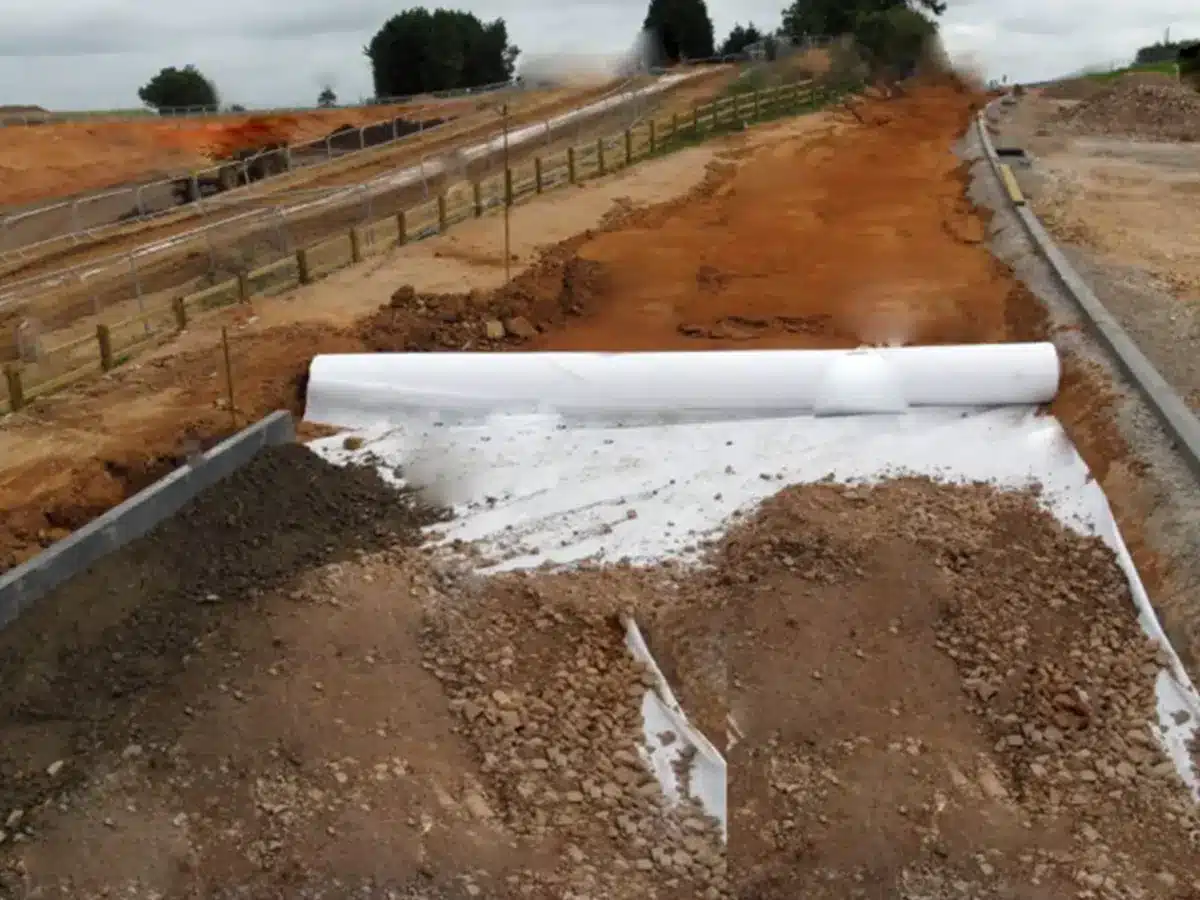
How are Geotextile Fabric Barriers Installed in Drainage Systems?
Installation of geotextile fabric barriers in drainage systems typically follows these steps:
- Site Preparation: Clearing the area of debris and leveling the ground where the drainage system will be installed.
- Laying the Geotextile: Roll out the geotextile fabric along the planned drainage path, ensuring it overlaps at the edges to prevent gaps.
- Placement of Drainage Pipes: Installing the drainage pipes on top of the geotextile layer, following the system’s design specifications.
- Covering and Securing: Cover the pipes with gravel or another filtering medium, then fold over the geotextile fabric to envelop the drainage structure before covering it with soil.
This method ensures that the geotextile fabric effectively filters out sediments while allowing water to flow into the drainage system.
What Does the Future Hold for Geotextile Fabrics in Drainage Systems?
The future of geotextile fabrics in drainage systems looks promising, with ongoing advancements in material science and environmental engineering driving innovation. Future developments are expected to yield even more durable, efficient, and environmentally friendly geotextile materials. Additionally, the growing emphasis on sustainable and resilient infrastructure development is likely to further boost the adoption of geotextile-enhanced drainage solutions, especially in response to climate change and urbanization challenges.
Advanced drainage systems enhanced with geotextile fabric barriers represent a pioneering approach to managing water flow and soil integrity. These systems leverage the unique properties of geotextile fabrics to offer improved water quality, system durability, cost-effectiveness, and adaptability to various environmental conditions. With the ongoing advancements in material technology and a growing focus on sustainability, the integration of geotextile fabrics in drainage solutions is poised to play a crucial role in shaping the future of infrastructure development and environmental stewardship.
Comments
Post a Comment