Geotextile Fabric: The Solution to Soil Stabilization for Driveways
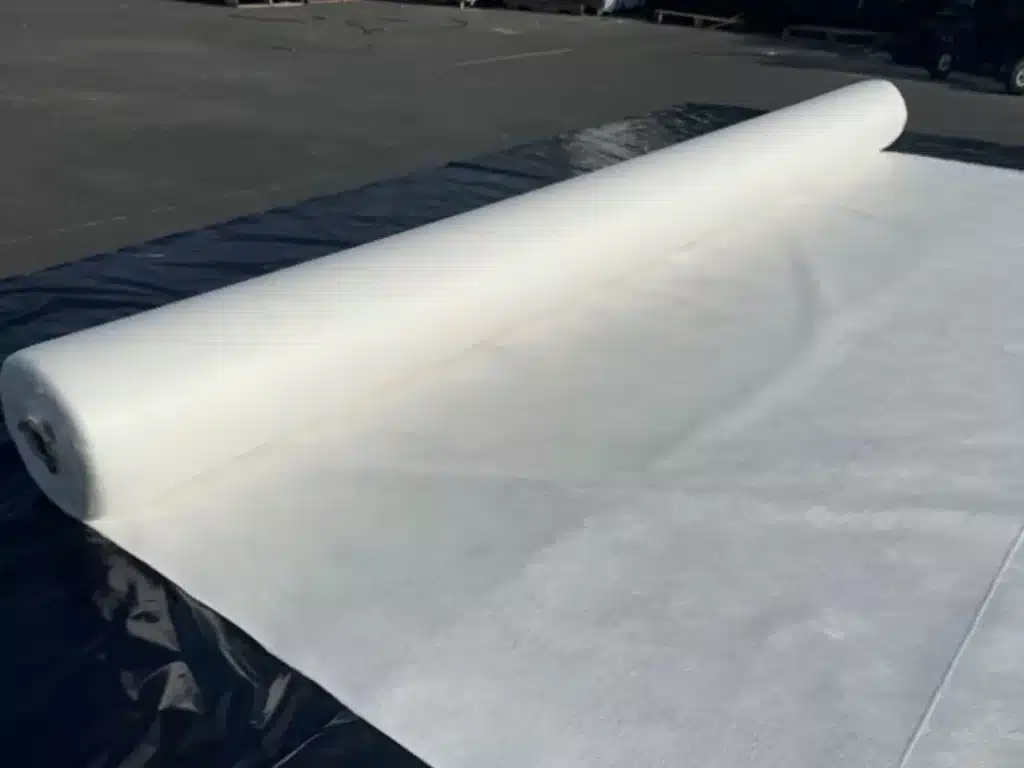
Geotextile fabric is an unsung hero in the realm of driveway construction and landscaping. This high-strength, permeable material not only enhances the durability of driveways but also plays a crucial role in soil stabilization, filtration, and drainage. As homeowners and construction professionals seek sustainable and efficient methods for driveway installation, understanding the role and benefits of geotextile fabric becomes paramount. This article dives into the essence of geotextile fabric under driveways, answering prevalent questions and shedding light on its necessity, selection, and performance.
Is Geotextile Fabric Needed for Driveway?
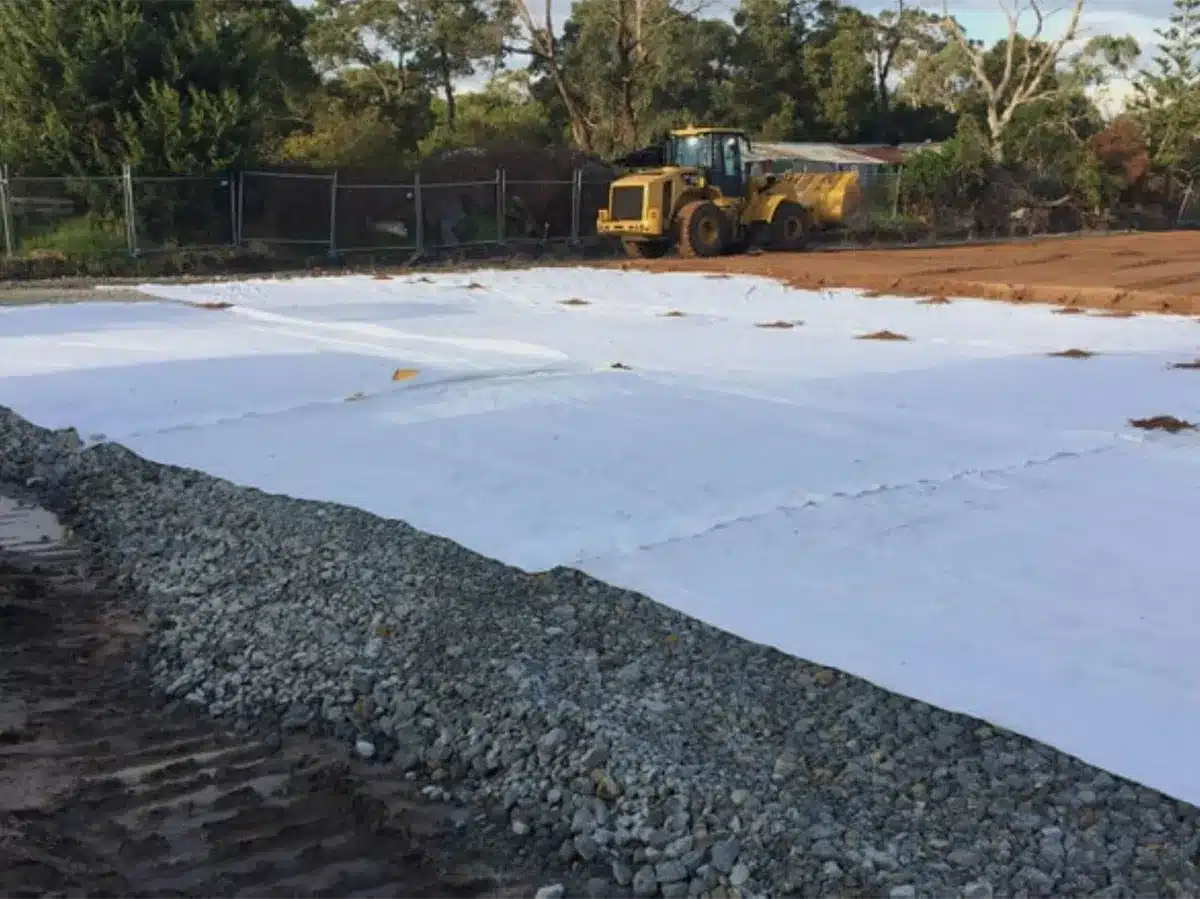
Yes, if you want your driveway to last, geotextile fabric is often recommended for driveway construction, especially in areas with soft soil or heavy rainfall. The fabric acts as a stabilizing barrier between the ground and the driveway material, such as gravel or asphalt. It prevents the mixing of subsoil with the aggregate, maintaining the driveway’s integrity, reducing rutting, and prolonging its lifespan. Incorporating geotextile fabric is indeed a wise investment for those seeking a long-lasting driveway solution.
What Fabric to Use Under Driveway?
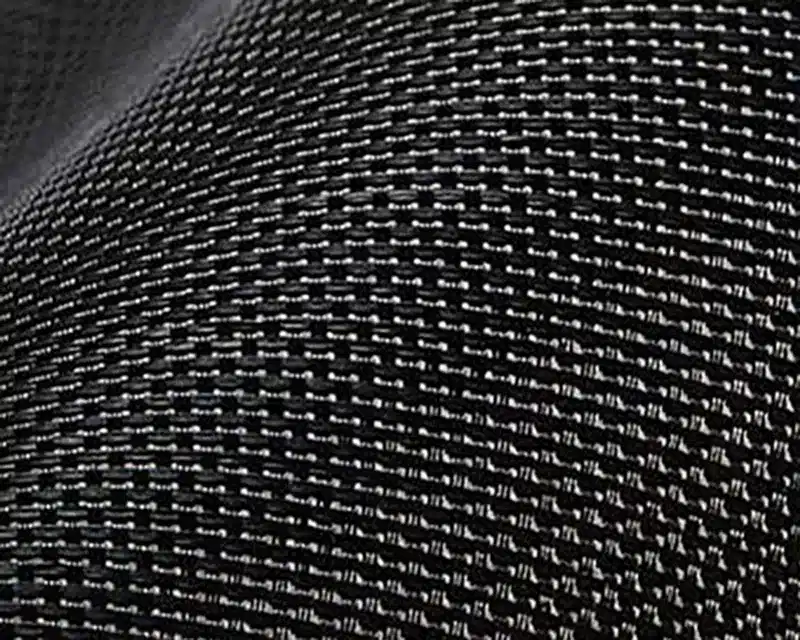
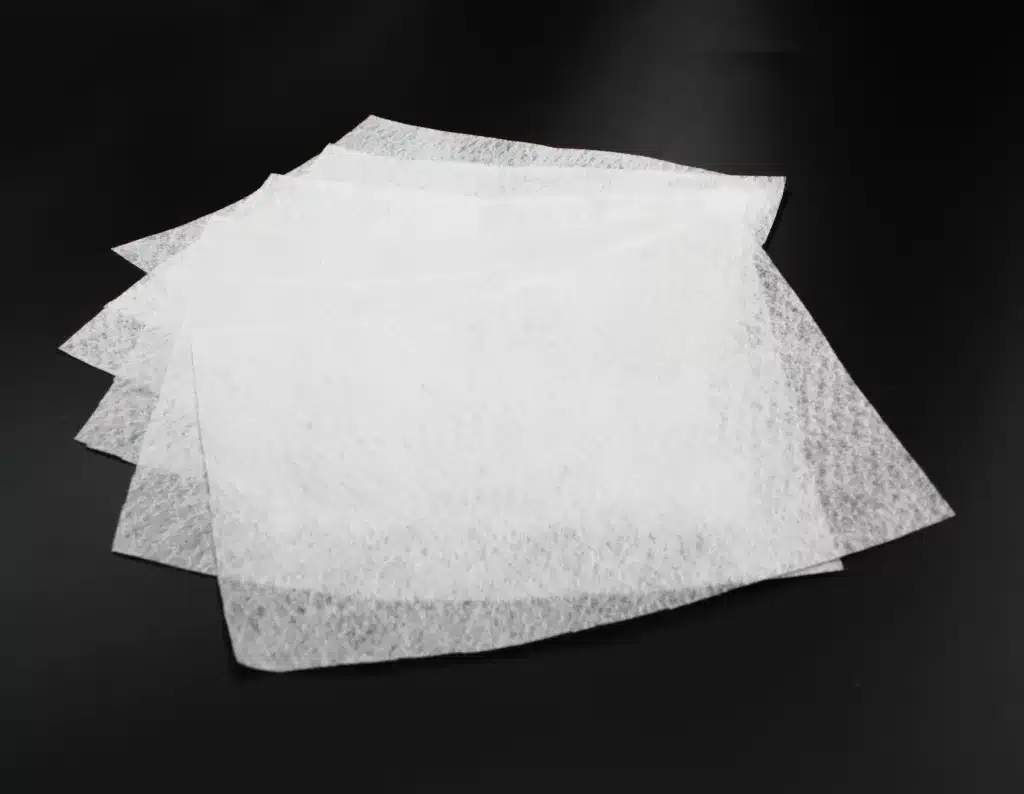
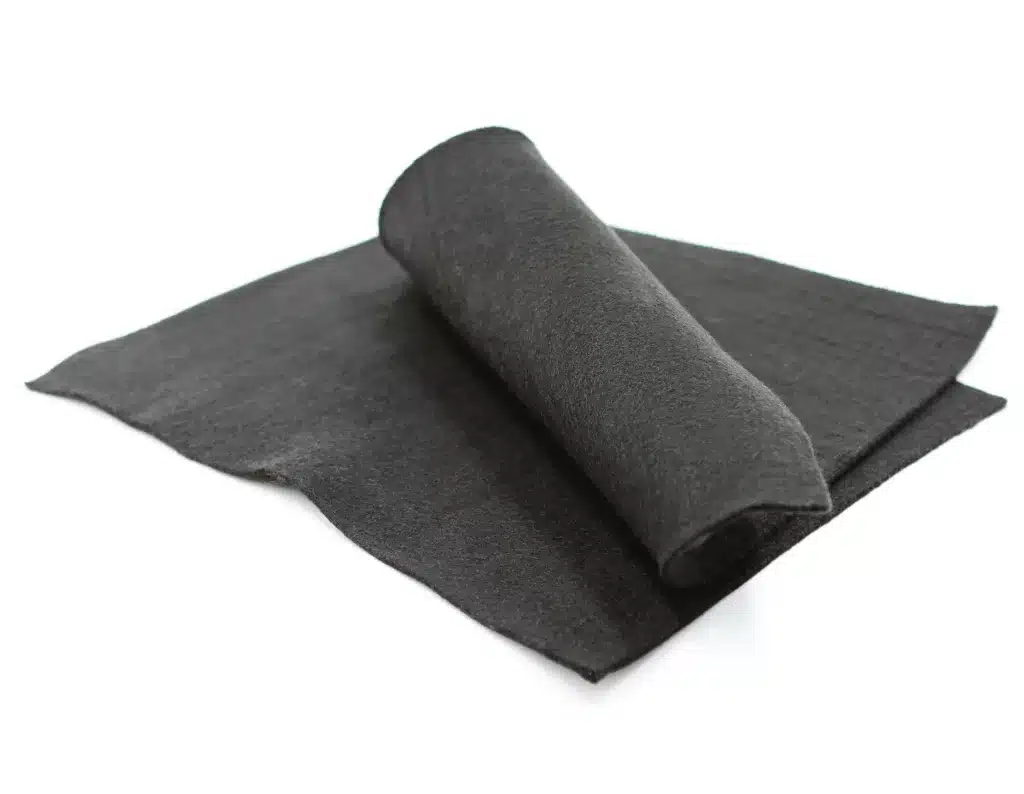
The choice of geotextile fabric largely depends on the specific needs of the driveway project. Non-woven geotextile fabric is commonly used for drainage and filtration purposes, making it ideal for areas prone to water logging. For those instances requiring higher durability and soil stabilization, woven landscape fabric, a type of woven geotextile fabric known for its high tensile strength, is perfect. Whether you opt for non-woven or woven landscape fabric, it’s essential to select a fabric that corresponds to the driveway’s intended use and local soil conditions to ensure optimal performance.
Should You Put Fabric Under Gravel Driveway?
Absolutely. Placing geotextile fabric under a gravel driveway is crucial for preventing gravel from sinking into the soil beneath, which can lead to uneven surfaces and the need for frequent replenishments. The fabric allows water to drain through while keeping the gravel layer intact and separated from the subsoil. This not only enhances the driveway’s durability but also maintains its aesthetic appeal over time.
Can Water Pass Through Geotextile Fabric?
Yes, one of the primary features of geotextile fabric is its permeability. When a geotextile membrane is used, water passes through the membrane, allowing it to filter out sediment and prevent soil erosion effectively. This characteristic is particularly beneficial for driveway applications, as it ensures proper drainage, reduces waterlogging and maintains the structural integrity of the driveway. The fabric’s ability to permit water flow while blocking sediments makes it an invaluable component in constructing durable and long-lasting driveways.
Geotextile fabric under driveways is not just an option; it’s a necessity for anyone looking to build a durable, long-lasting, and maintenance-free driveway. Whether it’s choosing the right type of fabric, understanding its benefits under a gravel driveway, or recognizing its water-permeable properties, geotextile fabric plays a pivotal role in modern driveway construction. By integrating this powerful material into your driveway project, you can significantly enhance the stability, functionality, and longevity of your investment. As we advance towards sustainable construction practices, the application of geotextile fabric in driveways emerges as a smart, environmentally friendly choice that offers unparalleled benefits.


Comments
Post a Comment