Geogrids in Landscaping: Transforming Outdoor Spaces with Science
The use of geogrids in landscaping projects is rapidly becoming a game-changer for professionals and enthusiasts alike. Geogrids, with their unique structure and durability, offer innovative solutions for soil stabilization, erosion control, and enhancing the overall beauty of outdoor spaces. This article delves into the science behind geogrids, exploring their benefits, applications, and practical tips for incorporating them into your landscaping projects. Whether you’re tackling a residential garden or a commercial landscape, understanding the role of geogrids can significantly enhance the sustainability and aesthetic appeal of your outdoor environments.
What is a Geogrid and How Does It Work in Landscaping?
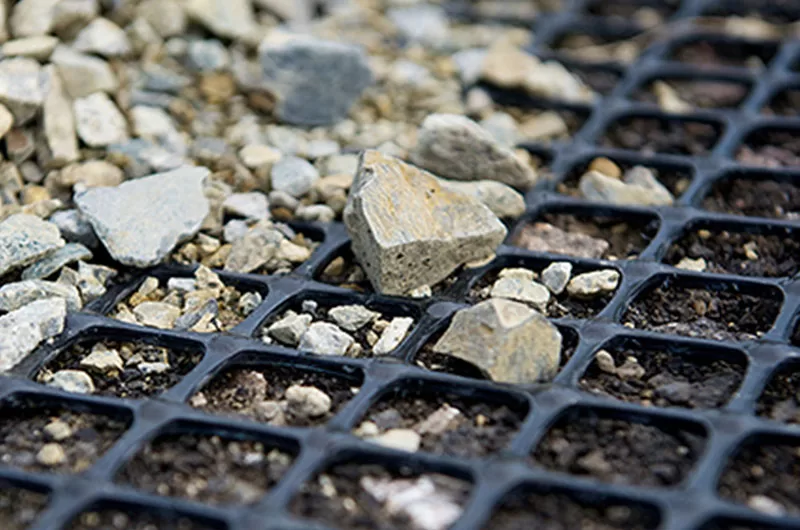
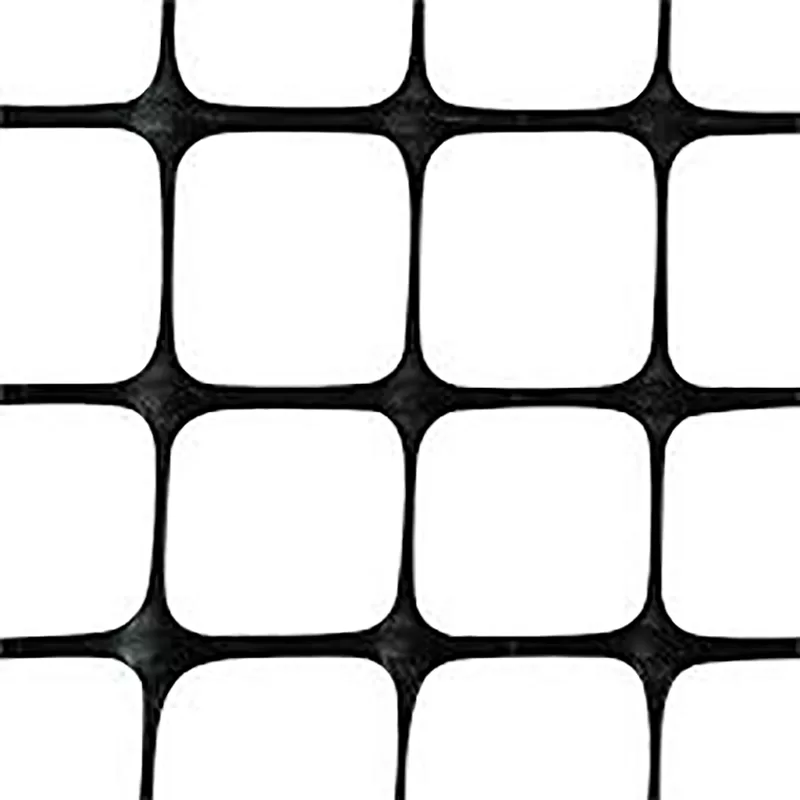
Geogrid is a geosynthetic material made from polymers such as polyester or polypropylene, designed with a grid-like structure to reinforce soil. In landscaping, geogrids work by providing a foundation that helps distribute loads evenly, reducing soil erosion and maintaining the integrity of the landscape design. They are laid out under pathways, driveways, or sloped areas, where they act as a stabilizing force against the pressures of weather and foot traffic. By interlocking soil particles, geogrids ensure that landscaped areas remain intact and functional over time.
Why Choose Geogrids for Your Landscaping Project?
Choosing geogrids for your landscaping project comes with a myriad of benefits. They significantly reduce the likelihood of soil erosion, particularly in areas prone to heavy rains or winds. Geogrids also contribute to the structural integrity of retaining walls and embankments, preventing collapse or deformation. Additionally, their use in landscaping promotes better water drainage, reducing the risk of waterlogging and plant root diseases. Beyond functionality, geogrids can be incorporated into various design elements, making them a versatile choice for enhancing both the aesthetic and practical aspects of outdoor spaces.
How to Incorporate Geogrids into Different Landscaping Designs?
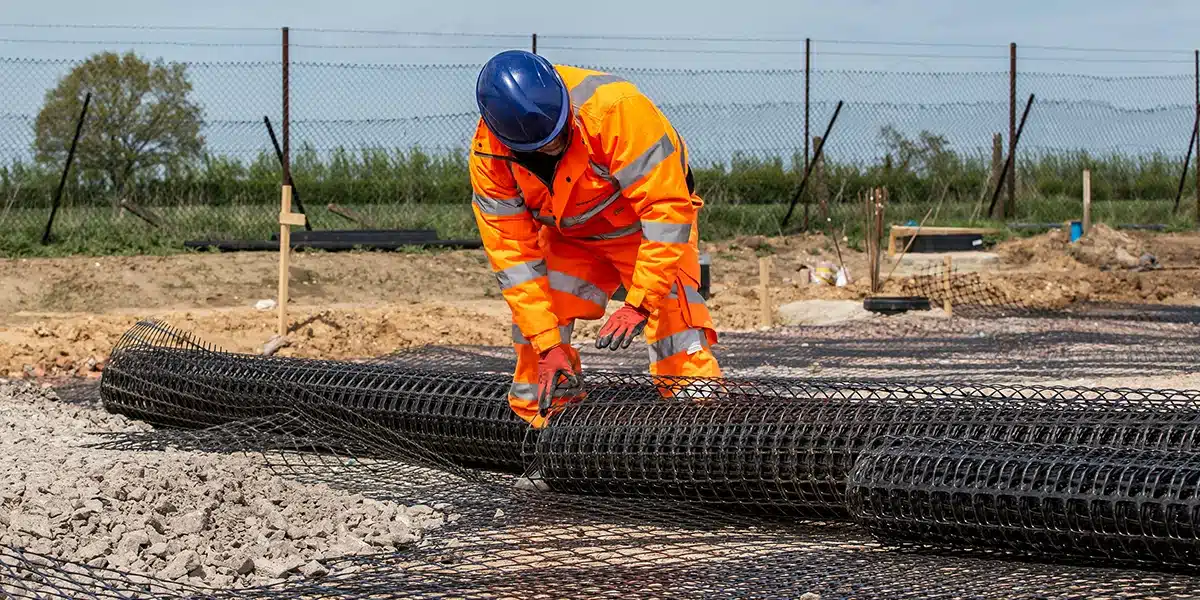
Incorporating geogrids into landscaping designs requires careful planning and execution. For garden paths or driveways, laying a layer of geogrid beneath the surface material can prevent sinking and shifting. In sloped gardens, geogrids can be used to create terraces or reinforce the soil, making it possible to introduce a wider variety of plants and design elements. For retaining walls, installing geogrids between layers of stones or blocks enhances stability and longevity. Always consider the specific requirements of your project, such as soil type and load-bearing needs, to select the appropriate type of geogrid.
What Are the Best Practices for Installing Geogrids in Landscaping?
Best practices for installing geogrids in landscaping projects include:
- Site Preparation: Clear the area of debris and level the ground to ensure an even base for the geogrid.
- 适当的重叠: 布置多个土工格栅片时,确保它们充分重叠以提供连续的支撑。
- 固定土工格栅: 使用木桩或销钉将土工格栅固定到位,防止在土壤或砾石回填过程中移动。
- 选择正确的类型: 考虑抗拉强度和土壤兼容性等因素,选择符合项目特定要求的土工格栅类型。
- 专业咨询: 对于复杂的项目,咨询园林绿化专业人士或工程师可以确保土工格栅得到有效和安全的利用。
土工格栅提供了一种革命性的方法来解决传统的景观美化挑战,从稳定土壤和防止侵蚀到增强室外空间的美观和耐用性。通过了解土工格栅的工作原理、它们的优点以及如何将它们纳入各种设计中,您可以为您的景观美化项目释放新的可能性。请记住遵循最佳安装实践,并考虑针对复杂应用的专业建议,确保您使用土工格栅带来成功且可持续的景观美化解决方案。


Comments
Post a Comment