Geogrids & Boulders: Transforming Landscapes and Retaining Walls
In the realm of landscaping and civil engineering, integrating aesthetics with functionality presents a unique challenge, especially when it involves stabilizing steep slopes or creating attractive yet durable retaining walls. This is where the innovative use of geogrids with boulders comes into play. Combining the natural elegance of boulders with the structural support of geogrids not only enhances the visual appeal of outdoor spaces but also ensures their longevity and safety. This article explores the practical aspects of using geogrids with boulders, delving into common questions that arise when considering this method for landscape enhancement and erosion control.
What Are Geogrids and How Do They Work with Boulders?
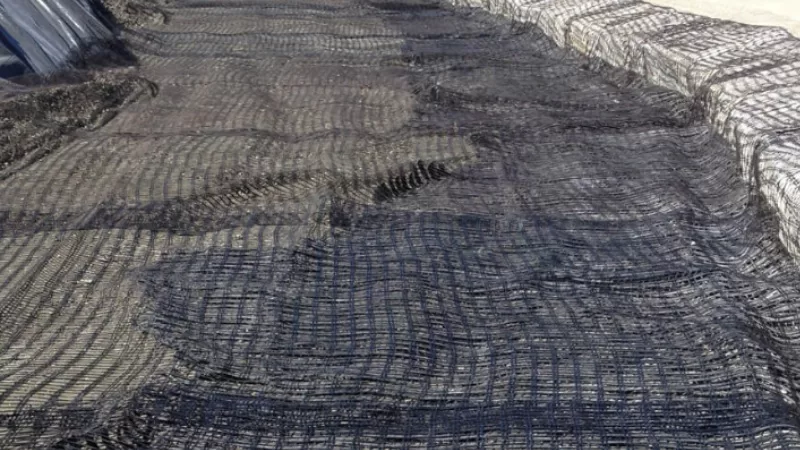
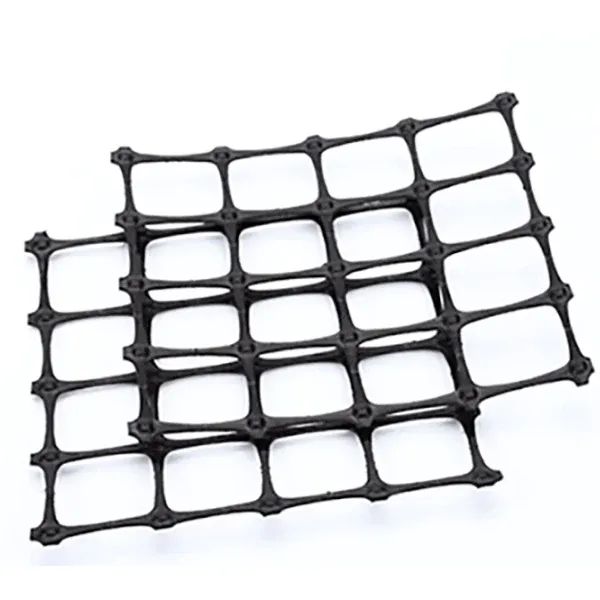
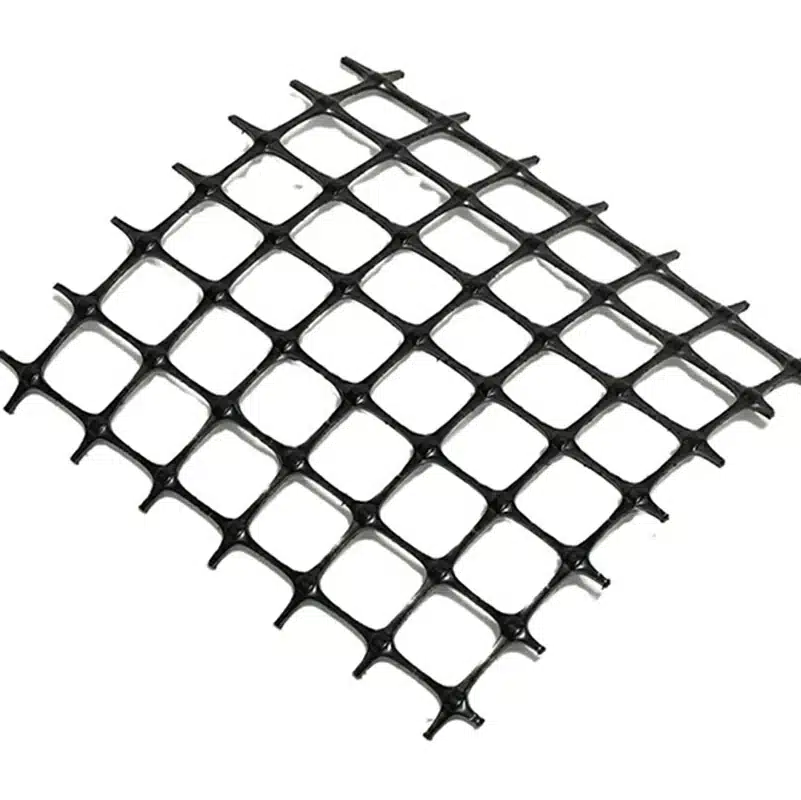
Geogrids are a type of geosynthetic material made from polymers, designed to reinforce soil and support structural loads. When used with boulders, geogrids act as a stabilizing mesh that holds the soil in place, preventing erosion and slippage. This combination is especially effective in constructing retaining walls and landscaping features, where the geogrid layers are placed between rows of boulders. The grid’s tensile strength distributes pressure evenly, allowing for higher and more stable structures than would be possible with boulders alone.
What Are the Benefits of Using Geogrids with Boulders?
The integration of geogrids with boulders offers several advantages:
- Enhanced Stability: Geogrids provide significant resistance against soil movement, thereby enhancing the stability of the constructed feature.
- Aesthetic Appeal: Boulders offer a natural and rugged beauty that can complement any landscape design, from modern to rustic.
- Cost-Effectiveness: Using geogrids can reduce the need for more expensive retaining solutions, making it a cost-effective option for both large-scale and residential projects.
- Eco-Friendly: This method promotes drainage and minimizes erosion, protecting the surrounding ecosystem.
What Types of Projects Are Best Suited for This Method?
Using geogrids with boulders is ideal for a variety of projects, including:
- Retaining Walls: Especially for supporting steep slopes and preventing soil erosion.
- Landscaping Features: Such as raised beds, garden pathways, and decorative elements that require both aesthetic appeal and structural integrity.
- Erosion Control: On riverbanks, coastlines, or any area prone to erosion, where the combination can provide effective stabilization.
- Infrastructure Projects: Including roadways and embankments where stability and drainage are critical.
How Is the Installation Process of Geogrids with Boulders?
The installation process involves several key steps:
- Site Preparation: Clearing the area and laying a foundation of compacted soil or gravel.
- Laying Geogrid Layers: Rolling out geogrid sheets at specified intervals, tailored to the project’s structural requirements.
- Placing Boulders: Strategically placing boulders along the geogrid, ensuring they are securely interlocked and supported.
- Backfilling: Filling gaps with soil or gravel to promote drainage and further stabilize the structure.
The combination of geogrids with boulders represents a revolutionary approach in landscaping and civil engineering, marrying the beauty of natural stone with the reliability of modern materials. This method not only enhances the aesthetic appeal of outdoor spaces but also ensures their durability and stability against the forces of nature. Whether for residential gardens or large-scale infrastructure projects, the use of geogrids with boulders offers an efficient, cost-effective, and visually pleasing solution to a myriad of structural and environmental challenges.



Comments
Post a Comment