Geogrid Layers: How Many Do You Need for Effective Slope Stabilization?
The stability of slopes, whether natural or engineered, is a critical concern in geotechnical engineering and landscape architecture. This is where the concept of geogrids enters the picture, providing a solution that enhances slope stability and prevents soil erosion. One of the key factors determining the effectiveness of geogrids in slope stabilization is the spacing between the layers. In this article, we delve into the significance of geogrid layer spacing, explore how many layers are typically required for effective slope reinforcement, discuss techniques for stabilizing steep slopes, and introduce the concept of geogrid-reinforced soil slopes. We aim to shed light on the role of geogrids in slope stability and provide insights into their application and benefits.
What is the spacing of geogrid?
Geogrid layer spacing, ideally maintained at sixteen inches or less for certain applications, is a critical design parameter that significantly impacts the overall stability and performance of a slope reinforcement system. Depending on the specific needs of the slope, such as its characteristics, the type of soil, and the anticipated loads, the spacing between geogrid layers typically falls within a range from 0.3 to 1 meter. Determining the correct spacing involves comprehensive geotechnical analysis, which considers factors including the soil’s mechanical properties, the slope’s geometry, and the geogrid’s tensile strength. By ensuring geogrid layers are appropriately spaced — whether at sixteen inches or within the standard range — they collaborate effectively to provide the necessary support, distribute loads evenly across the slope, and significantly reduce the risk of deformation under stress.
How many layers of geogrid do I need?
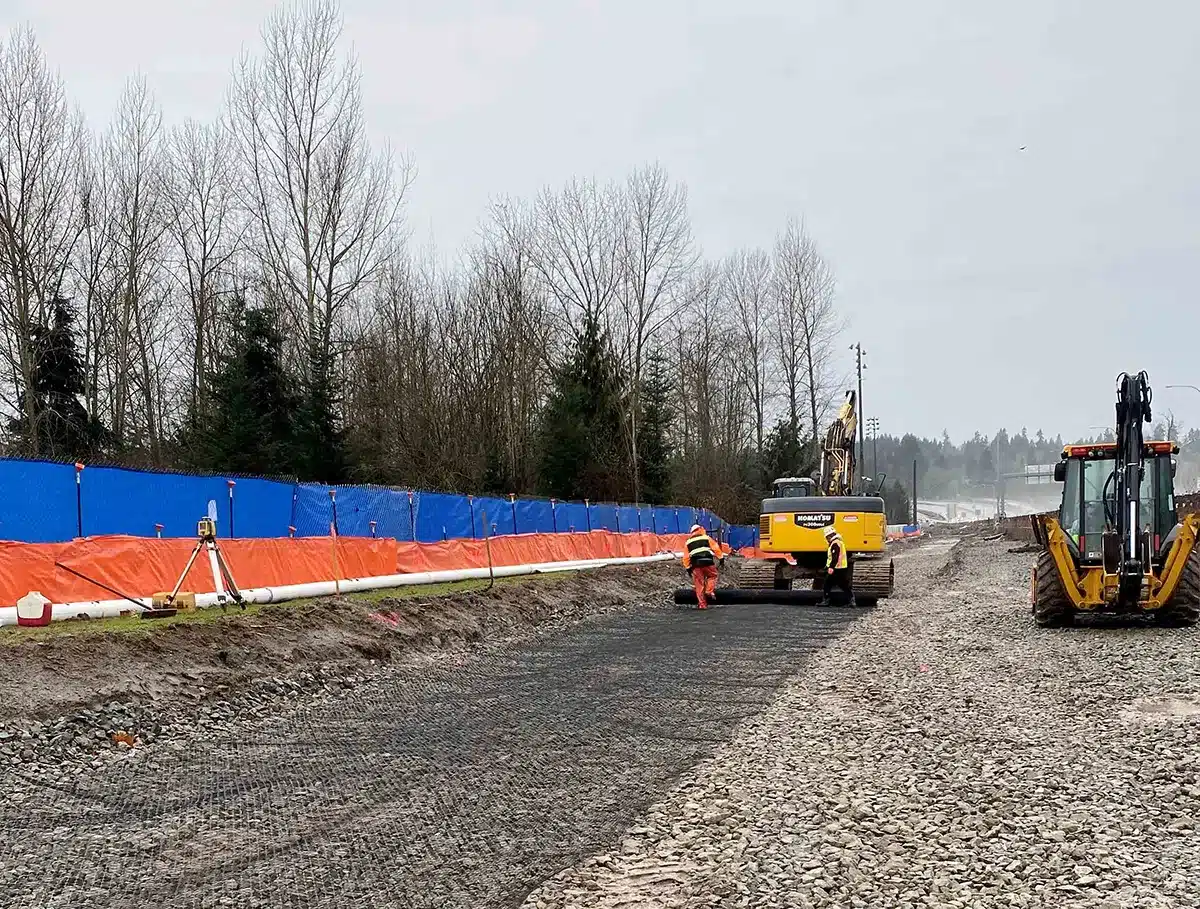
The number of geogrid layers required for effective slope stabilization varies based on the project’s specific requirements, such as the slope’s height, the soil type, and the desired level of stabilization. For enhanced reinforcement, integrating geogrids at every second block layer has become a practice for certain projects, effectively balancing between structural support and material efficiency. Typically, a slope may require anywhere from three to several layers of geogrid, with the incorporation of geogrids at every second block layer optimizing reinforcement while managing project costs. A detailed geotechnical assessment is paramount to determining the optimal arrangement and number of layers, ensuring each layer, including those placed at every second block, contributes significantly to the slope’s overall stability without burdening the project with unnecessary materials and expenses.
How do you stabilize a steep slope?
Stabilizing a steep slope involves several strategies, incorporating the use of stone, steel, concrete, and geosynthetics, with the use of geogrids standing out as a prominent method. Alongside the installation of geogrids, other techniques such as terracing, which involves creating stepped levels with materials like stone and concrete to reduce slope steepness; planting deep-rooted vegetation to enhance soil cohesion; and constructing retaining walls, often from a combination of steel, concrete, or stone, to provide physical barriers against soil movement, are employed. The strategic use of stone, steel, concrete, and geosynthetics, including geogrids, within these methods not only helps reinforce the soil, preventing erosion but also ensures a solid foundation for vegetation and structures, thereby significantly enhancing slope stability.
What is geogrid reinforced soil slope?
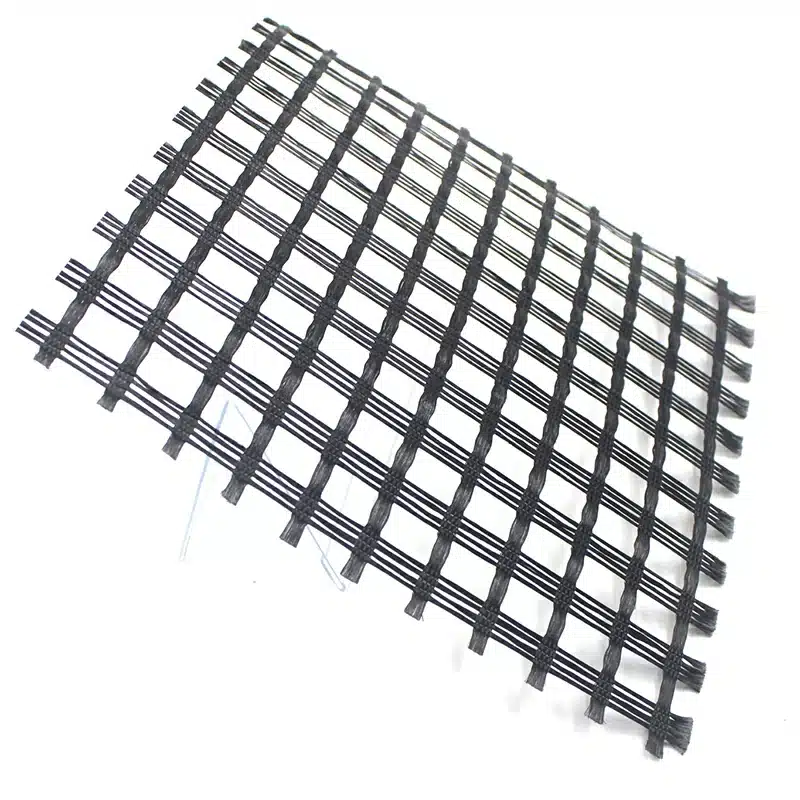
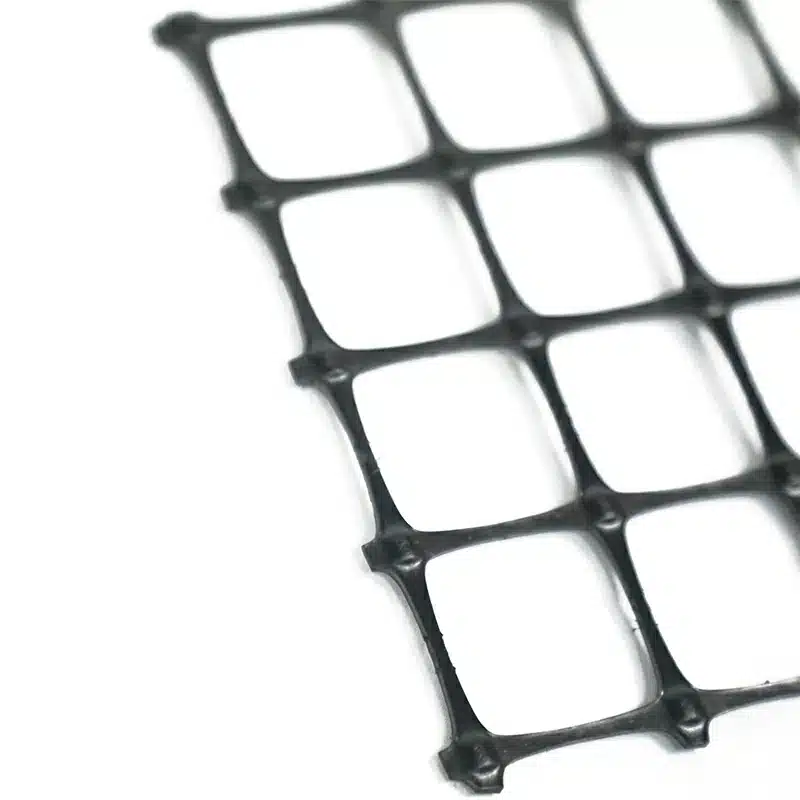
A geogrid-reinforced soil slope (GRSS) is an engineered structure designed to enhance the stability of slopes, capable of supporting reinforced earth slopes with a face angle up to 70°. This is achieved by incorporating Tensar reinforcing geogrids laid horizontally back from the slope face in layers within the soil. These geogrids serve as crucial reinforcing elements, significantly increasing the slope’s strength and its resistance to erosion and failure. The effectiveness of GRSS stems from the interlocking of soil particles with the geogrid’s apertures, creating a composite material that exhibits enhanced cohesion. Employed in various applications such as road embankments and landslide repairs, GRSS, especially with the integration of Tensar reinforcing geogrids, presents a cost-effective and environmentally friendly alternative to conventional construction materials, offering robust solutions for challenging slope stabilization projects.
The application of geogrids in slope stabilization marks a significant advancement in geotechnical engineering, providing a reliable and efficient solution for managing slope stability. The spacing and number of geogrid layers play pivotal roles in the effectiveness of slope reinforcement, necessitating careful planning and geotechnical analysis. By integrating geogrids with other stabilization techniques, steep slopes can be successfully stabilized, thereby preventing erosion and ensuring the longevity of the structure. The concept of geogrid-reinforced soil slopes further underscores the importance of combining engineering principles with innovative materials to address complex challenges in slope management.



Comments
Post a Comment