From Dams to Buildings: Exploring the Versatility of GCL Applications
In the realm of engineering and environmental protection, innovative materials pave the way for sustainable practices. Among these materials, the geocomposite clay layer (GCL) stands out as a pivotal solution for various applications, from landfill liners to waterproofing in construction projects. This article delves into the essence of GCL, exploring its functions, applications, and how it differentiates from similar materials such as geomembranes.
What is GCL used for?
Geocomposite Clay Layers, commonly referred to as GCLs, are versatile materials used extensively in environmental and civil engineering projects. Their applications span across a variety of areas, including landfill caps and base liner applications, dams, canals, ponds, rivers, lakes, and even waterproofing of buildings and similar structures. By serving as a robust barrier against water and other fluids, GCLs are particularly ideal for situations requiring stringent containment measures, such as in the construction of landfill liners and the waterproofing of underground structures. Their effectiveness extends to managing fluid migration in water bodies like dams, canals, rivers, and lakes, enhancing their ecological integrity. Moreover, GCLs prove invaluable in urban environments for the waterproofing of buildings, offering an efficient, durable, and eco-friendly solution where traditional methods may fall short. Their broad applicability underscores the critical role they play in safeguarding natural and built environments from water-related challenges.
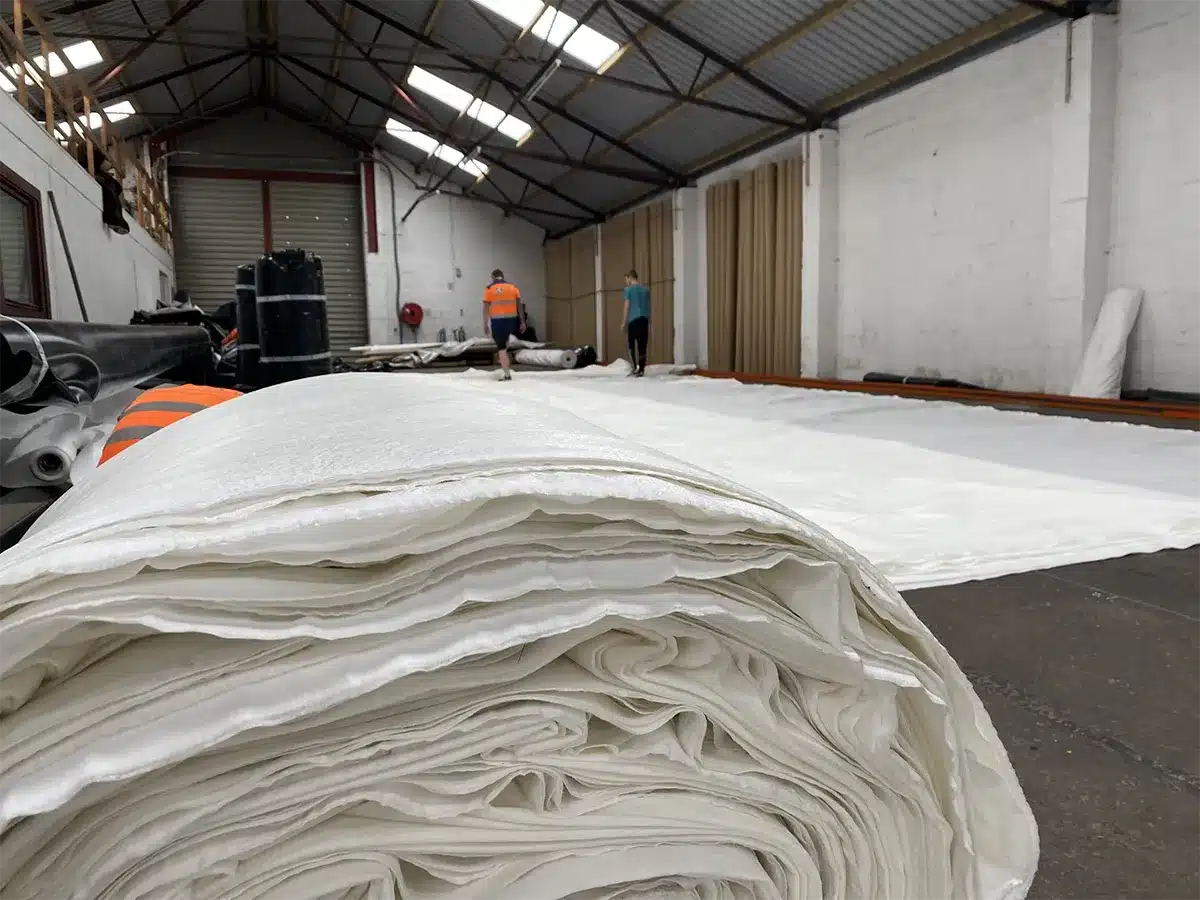
What is the function of a geosynthetic clay liner?
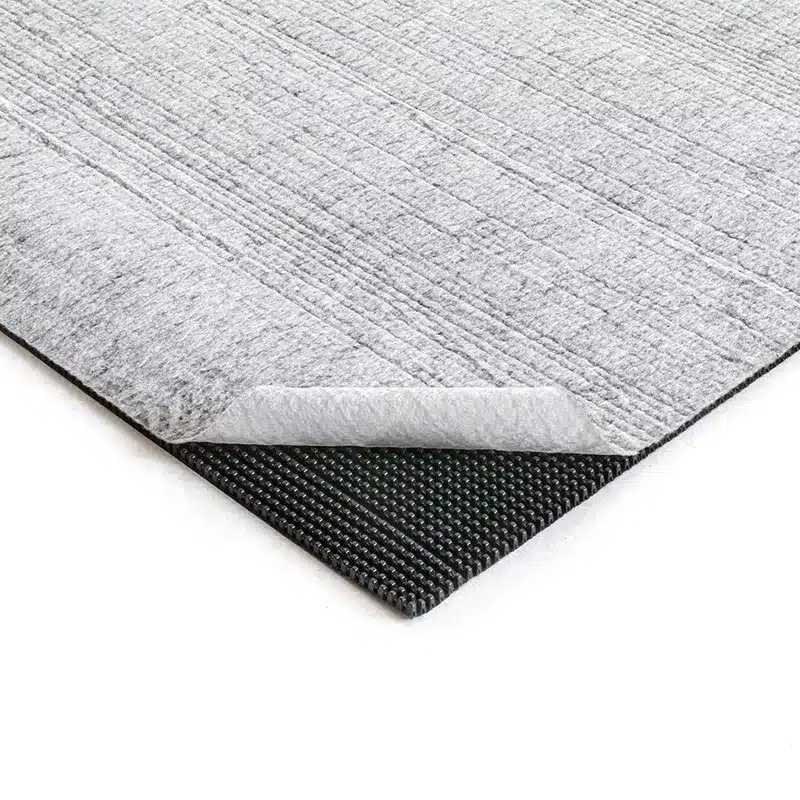
At its core, a geosynthetic clay liner serves as a multifaceted containment system, acting as a hydraulic barrier to water, leachate, other liquids, and sometimes gases. This innovative material is constructed from two layers of geotextiles with a layer of bentonite clay sandwiched between them. GCLs exploit the natural swelling property of bentonite, which expands to seal off water and other fluids upon contact. This swelling action transforms the material into a tight, impermeable barrier, effectively mitigating the movement of fluids and gases. Moreover, the geotextiles contribute mechanical strength, reinforcing the liner’s resilience against physical stress. This dual functionality of blocking liquid and gas migration makes GCLs an indispensable asset in environmental protection, water containment projects, and situations requiring stringent control over fluid and gas seepage.
What is the difference between GCL and Geomembrane?
While both GCL and geomembrane serve as barriers to fluid movement, they differ significantly in composition and functionality. Geomembranes are synthetic liners, typically made from materials like HDPE (High-Density Polyethylene), offering a straightforward, impermeable barrier. In contrast, Geosynthetic clay liners (GCLs) are composed of a thin layer of bentonite clay sandwiched between two layers of nonwoven geotextiles. This structure allows GCLs to leverage the natural swelling properties of bentonite, forming a seal upon hydration that can self-heal to an extent if punctured, as the clay expands to fill any gaps. In contrast, geomembranes, lacking this self-healing capability, require physical repair when damaged. Furthermore, the use of natural bentonite clay within GCLs not only enhances their functionality but also makes them a more eco-friendly option compared to purely synthetic geomembranes.
What is the GCL layer in a landfill?
In a landfill, the GCL layer, comprising a relatively thin layer of processed clay (typically bentonite) either bonded to a geomembrane or fixed between two sheets of geotextile, acts as a critical component of the lining system designed to protect the surrounding environment from contamination. Strategically positioned at the base and sometimes the sides of a landfill, this innovative layer serves as a robust barrier against leachate—the potentially hazardous liquid that results from the decomposition of waste. By preventing leachate from seeping into the ground and contaminating soil and groundwater, the GCL layer plays a pivotal role in environmental protection efforts within landfill operations, showcasing its indispensability in maintaining ecological integrity.
The geocomposite clay layer emerges as a hero in the narrative of environmental engineering and sustainability. Its versatile applications, ranging from landfill liners to waterproofing solutions, underscore its importance in modern engineering projects. By providing an effective barrier against fluid movement, GCLs play a crucial role in protecting natural resources and ensuring that our engineering practices contribute positively to the environment. As the world continues to seek sustainable solutions, the role of materials like GCL in building a greener future becomes ever more significant.




Comments
Post a Comment