Factors Affecting the Durability of Landfill Geomembrane Covers
Geomembranes are critical components used in environmental engineering, particularly at landfill sites where they serve as barriers to prevent leachate migration and gas emissions. The durability and longevity of these geomembrane covers are vital to maintaining environmental safety and efficiency in waste management. This article explores the lifespan of geomembrane covers used in landfill sites, factors affecting their durability, and how they can be maintained to extend their service life.
What is a Geomembrane and What Role Does it Play in Landfills?
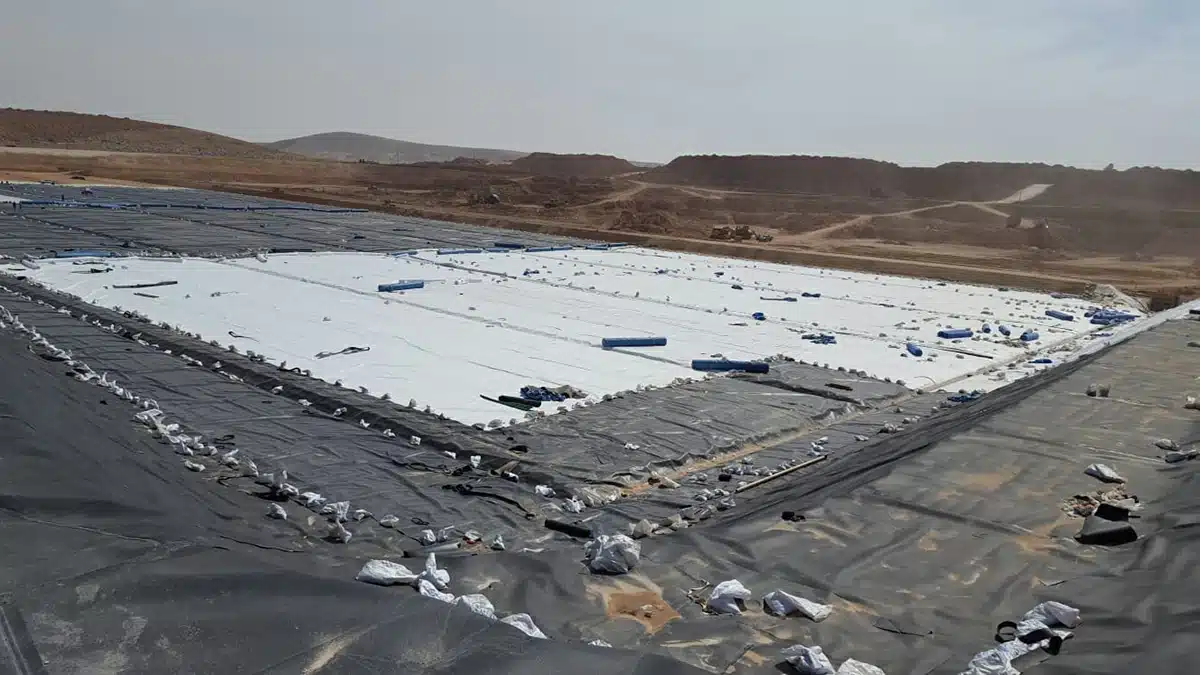
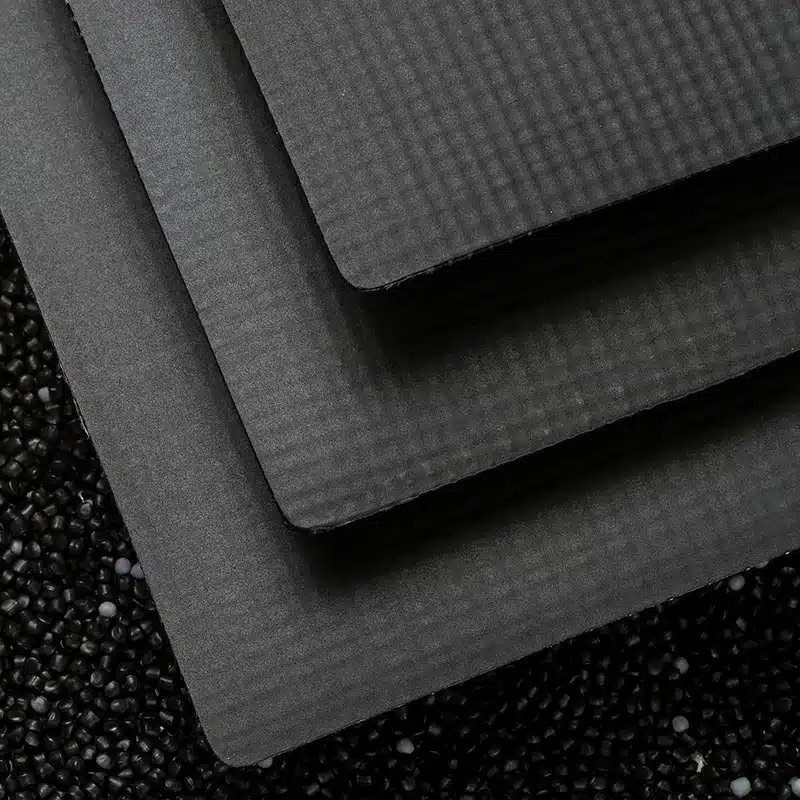
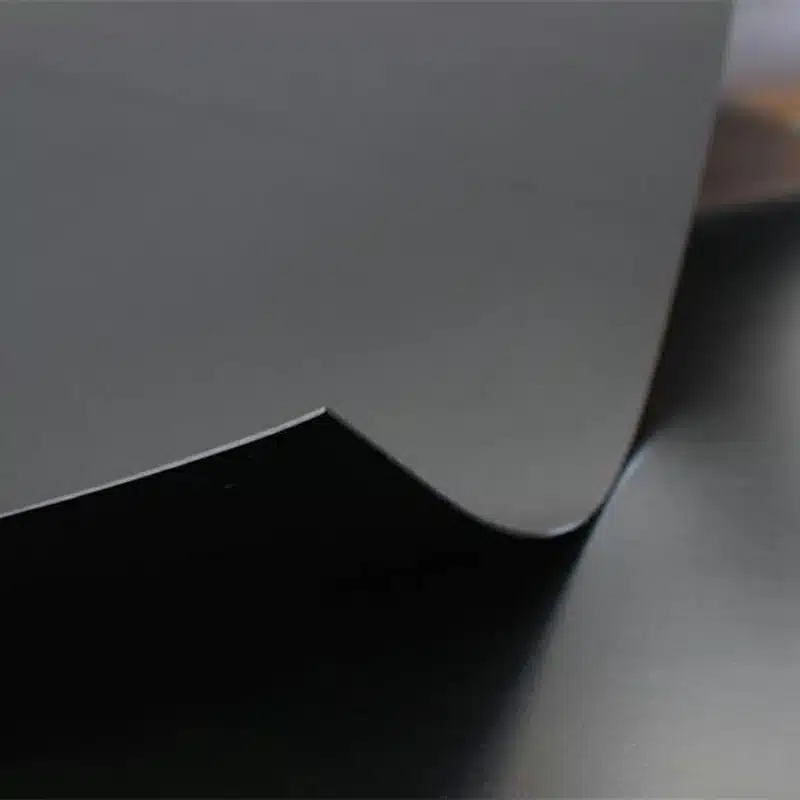
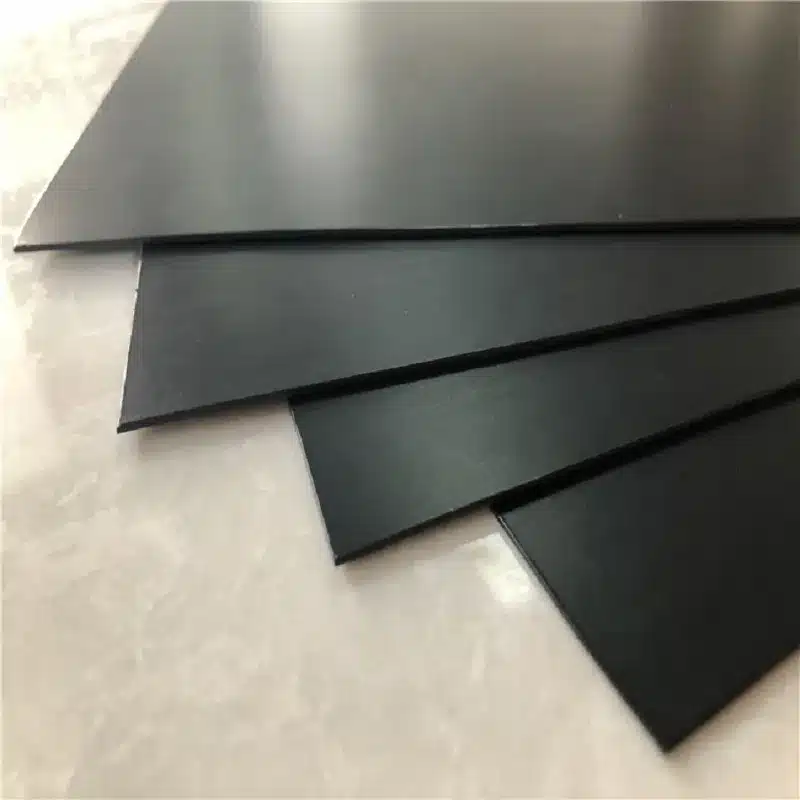
A geomembrane is a synthetic membrane liner or barrier, usually made from materials like HDPE (high-density polyethylene), LLDPE (linear low-density polyethylene), PVC (polyvinyl chloride), or EPDM (ethylene propylene diene monomer). In landfill applications, geomembranes are primarily used to isolate waste and prevent the contamination of groundwater by leachate, and to contain gases produced during the decomposition of organic waste. This containment helps in reducing environmental pollution and aids in safe waste management.
How Long Can a Geomembrane Cover Typically Last?
The lifespan of a geomembrane cover in landfill applications typically ranges between 10 to 30 years. This broad range is influenced by several factors including the quality of the geomembrane material, the conditions of installation, environmental stressors, and the chemical nature of the leachate. High-density polyethylene (HDPE), a commonly used material due to its high chemical resistance and mechanical strength, tends to have a longer lifespan compared to other materials.
What Factors Affect the Longevity of Geomembrane Covers?
The durability of geomembrane covers is influenced by several factors:
- UV Radiation: Prolonged exposure to sunlight can degrade the materials unless they are properly stabilized against UV radiation.
- Chemical Exposure: Interaction with harsh chemicals in the waste can degrade the geomembrane faster.
- Physical Stress: Mechanical pressures, punctures, or tears from the overlying or underlying materials can compromise the integrity of the cover.
- Installation Quality: Poor installation can lead to early failures, such as leaks or tears.
- Environmental Conditions: Temperature fluctuations and extreme weather conditions can also affect the lifespan of geomembrane covers.
How Can the Life of a Geomembrane Cover be Extended?
To maximize the lifespan of a geomembrane cover, several best practices should be followed:
- Proper Installation: Ensure that the geomembrane is installed by skilled technicians under suitable environmental conditions.
- Regular Inspections: Conduct periodic inspections to identify and repair damages like tears or weak spots.
- Protective Measures: Use protective layers like geotextiles to shield the geomembrane from physical damage.
- Quality Materials: Opt for high-quality geomembrane materials that are suited for the specific type of landfill and its contents.
- UV Protection: Consider covers with UV inhibitors if the geomembrane is exposed to significant sunlight.
The lifespan of a geomembrane cover at a landfill site is influenced by multiple factors but typically ranges from 10 to 30 years. By understanding the roles and types of geomembranes, acknowledging the factors that impact their durability, and implementing strategies to extend their life, landfill operators can ensure effective and long-lasting waste containment solutions. Regular maintenance and proactive management are key to maximizing the utility and effectiveness of geomembrane covers in preserving environmental safety.


Comments
Post a Comment