Essential Geotextiles: When to Use Woven vs. Non-Woven
Geotextiles are pivotal in modern construction and environmental projects, offering solutions for soil stabilization, erosion control, and filtration. These fabrics, typically made from polypropylene or polyester, come in two primary forms: woven and non-woven. Each type serves distinct purposes, influenced by their unique properties; woven geotextiles have higher strength values, ideal for applications requiring robust tensile strength, while non-woven geotextiles, known for their higher flow rates and permeability, are excellent for projects that demand effective filtration. This article explores the fundamental differences between woven and non-woven geotextiles, helping professionals and enthusiasts alike choose the right type for their needs.
What are woven geotextiles, and what are they used for?
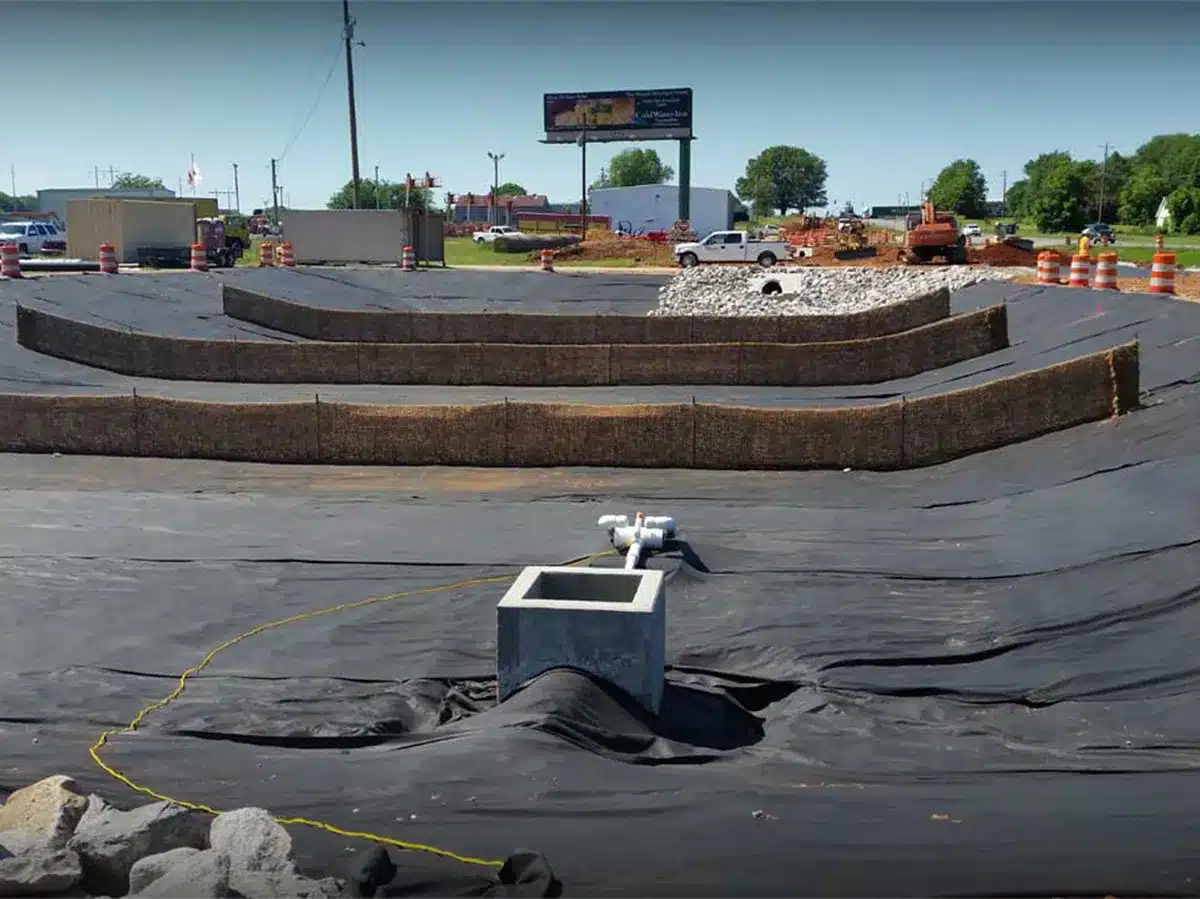
Woven geotextiles are manufactured by interlacing two sets of threads or yarns at right angles to form a uniform fabric. They are known for their strength and dimensional stability, making them ideal for applications requiring high tensile strength such as road construction, soil stabilization beneath roads, and riprap. Woven geotextiles help distribute loads over a broader area and improve the lifespan of construction projects by preventing soil movement and enhancing durability.
How do non-woven geotextiles differ, and in what scenarios are they best used?
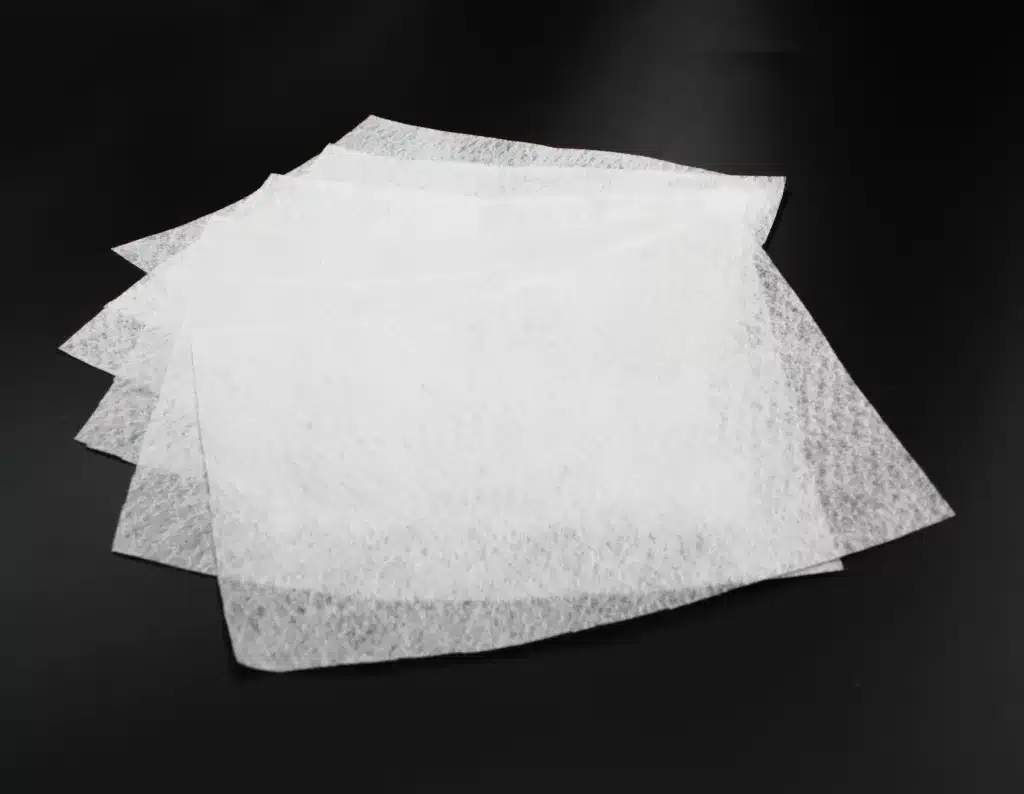
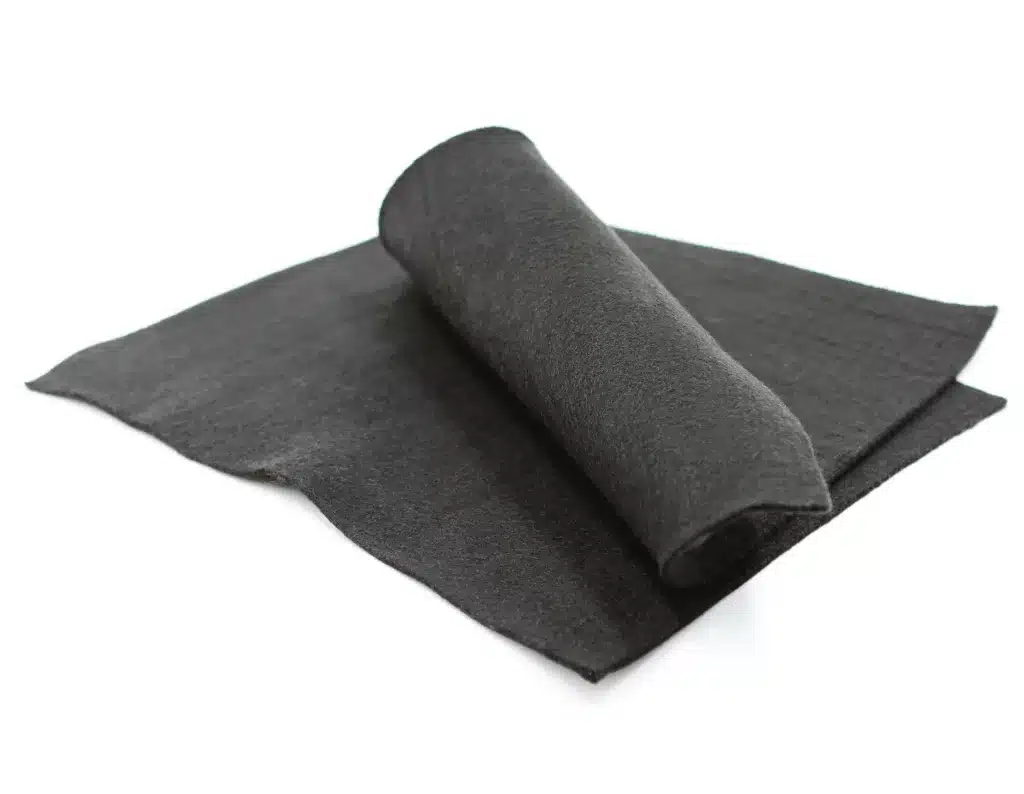
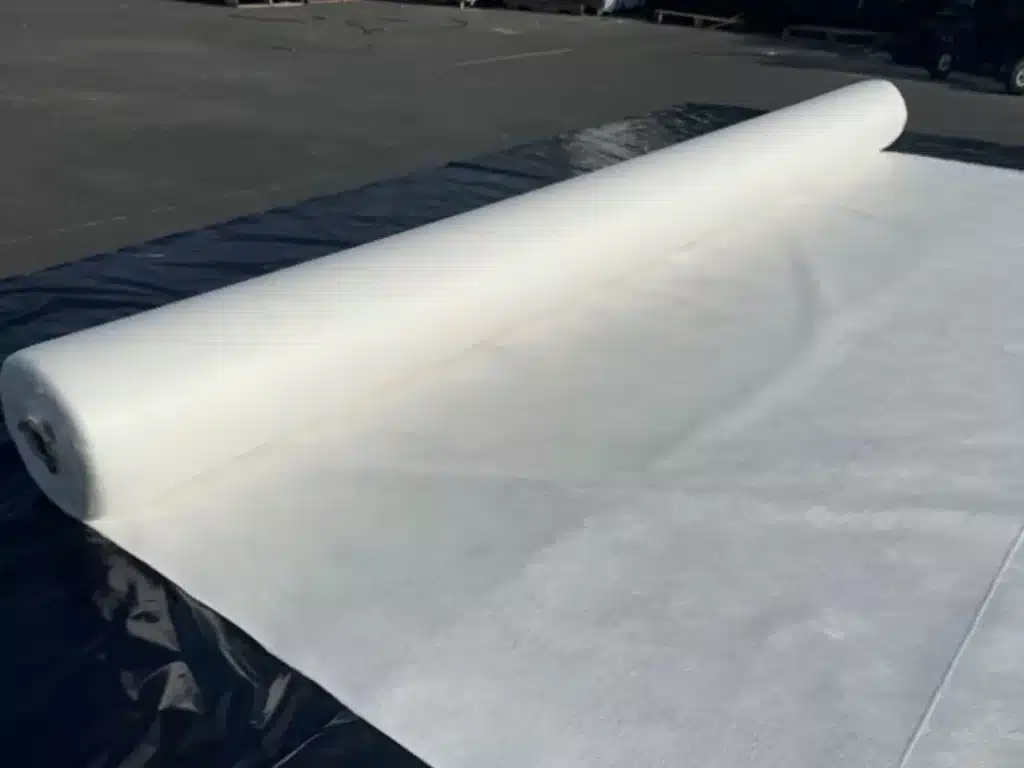
Non-woven geotextiles, unlike their woven counterparts, are typically made by bonding materials together, either through mechanical, thermal, or chemical processes. This results in a fabric with a random, felt-like structure that is highly permeable and excellent at filtering soil particles while allowing water to pass through. They are best used in drainage, filtration, and erosion control projects, such as lining drainage ditches, protecting geomembranes in landfills, and preventing soil erosion in landscaped areas.

Can woven and non-woven geotextiles be used together in projects?
Yes, woven and non-woven geotextiles can be synergistically used in a single project to leverage the advantages of both types. For example, in a road construction project, a woven geotextile might be used for soil stabilization and reinforcement, while a non-woven geotextile could be installed to aid in drainage and filtration. This combination ensures that the structure is stable, durable, and free from water logging, enhancing the overall efficacy of the project.
What factors should be considered when choosing between woven and non-woven geotextiles?
Selecting between woven and non-woven geotextiles depends on the specific requirements of the project. Key factors include:
- Soil type: Coarser soils work well with woven fabrics, while finer soils might need the filtration capabilities of non-wovens.
- Load considerations: Higher loads generally require the strength of woven geotextiles.
- Drainage needs: Projects needing superior drainage should opt for non-woven geotextiles.
- Durability and lifespan requirements: The expected lifespan of the project and the environmental conditions (like exposure to chemicals or UV light) can influence the choice.
Woven and non-woven geotextiles serve distinct yet equally vital roles in construction and environmental projects. Woven geotextiles are best for applications requiring robust tensile strength and structural stability, while non-woven geotextiles excel in scenarios demanding excellent filtration and drainage. Understanding the specific demands of your project will guide you in choosing the most appropriate type of geotextile, potentially integrating both to achieve the best results.


Comments
Post a Comment