Erosion Control: Benefits of Using Geocells on Slopes
Geocells are an innovative and versatile solution in the field of geotechnical engineering, particularly valuable for soil stabilization on slopes. Known as velocity slope geocells when used to mitigate the effects of water or wind erosion on slopes, these cellular confinement systems play a crucial role in maintaining the integrity of soil structures in various environmental conditions. This article explores the concept of geocells, addressing common questions regarding their application and advantages, particularly for slope protection.
What is the maximum slope for geocell installation?
Geocells can be effectively installed on slopes that are as steep as 1:1, which translates to an angle of about 45 degrees from horizontal. However, the specific limit can vary based on the soil type, climatic conditions, and the load applied on the slope. Manufacturers typically provide detailed guidelines to ensure optimal performance and safety standards are met. For exceptionally steep slopes, additional engineering assessments and reinforcements may be required.
What is a geocell for slope protection?
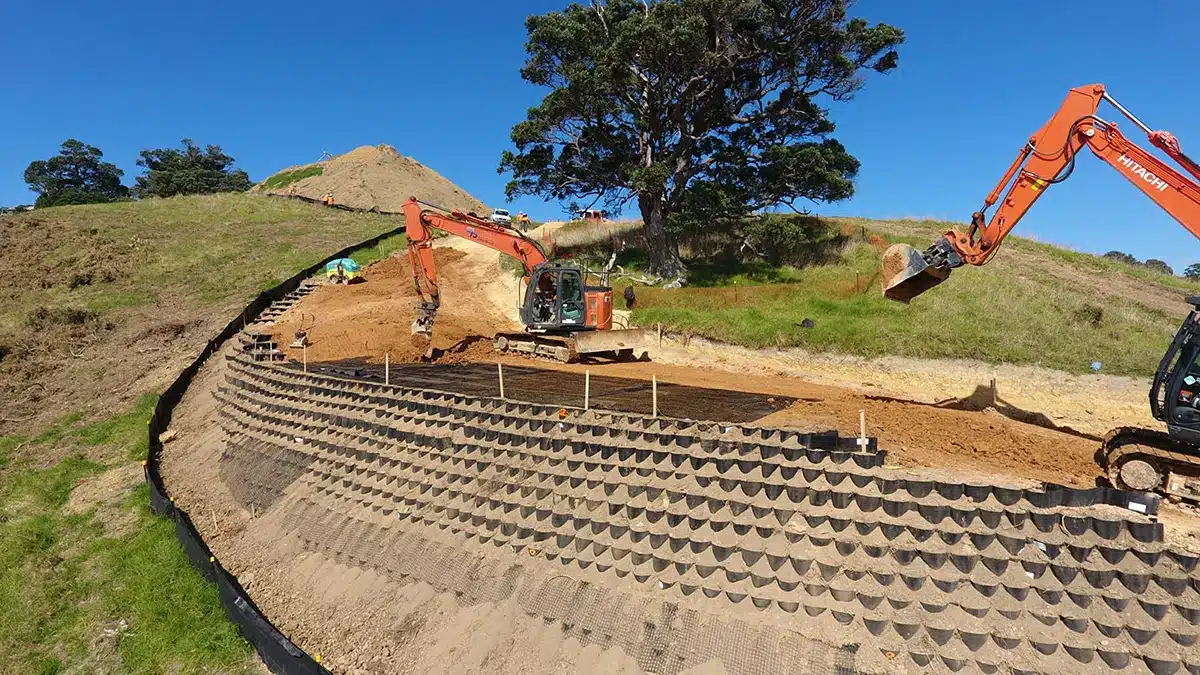
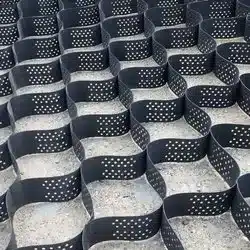
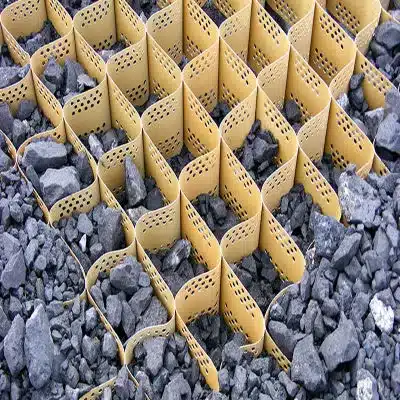
A geocell for slope protection is a three-dimensional, honeycomb-like structure made from high-density polyethylene (HDPE) or other polymer materials. This 3-D cellular structure can be filled with soil, gravel, or other materials to fix steep slopes and conserve erosion. When utilized, geocells form a strong and flexible layer that improves the mechanical properties of the base materials. This system helps in distributing loads evenly and reduces the shear stress on the slope, effectively preventing soil erosion and promoting vegetation growth, which further aids in stabilizing the slope.
What is the difference between geogrid and geocell?
Although both geogrids and geocells are used for soil reinforcement, they differ significantly in their structure and function. Geogrids are open, net-like structures that reinforce soil by providing tensile strength, primarily used in the stabilization of roads and foundations. On the other hand, geocells are deep, three-dimensional mesh structures that confine and stabilize soil, making them ideal for applications involving slope protection and erosion control. This distinction highlights that while the geogrid is typically two-dimensional, the geocell provides a more pronounced confinement effect, which is beneficial on varied and unstable terrains.
Can you stack geocells?
Yes, geocells can be stacked to create deeper layers for more significant soil stabilization needs, such as high retaining walls or in areas with very soft soils. The panels can be stacked and filled to create a gravity-retaining structure. When stacking geocells, it’s essential to ensure they are securely interconnected and adequately anchored to withstand the loads and stresses of the environment. Proper installation and layering are crucial for maintaining the integrity and effectiveness of the stacked geocell structure.
Velocity slope geocells offer a robust and eco-friendly solution for protecting slopes from erosion and instability. By understanding their maximum slope limits, applications for slope protection, and differences from other soil stabilization technologies like geogrids, professionals can better leverage these tools in environmental and civil engineering projects. Moreover, the ability to stack geocells provides added flexibility and adaptability in managing more challenging terrains and projects. With ongoing advancements in material science and engineering techniques, geocells continue to represent a critical component in sustainable development and soil conservation strategies.


Comments
Post a Comment