Comparing HDPE and LLDPE Geomembranes: Which is Superior?
In the realm of environmental engineering and construction, selecting the right materials is pivotal for the success and durability of projects. One such material, LLDPE resin, has become increasingly popular for its role in producing geomembranes. These geomembranes serve as critical components in various applications, from water reservoirs to hazardous waste containment. This article delves into the essentials of LLDPE resin for geomembranes, exploring its uses, benefits, and how it compares to other materials in the field.
What is LLDPE resin used for?
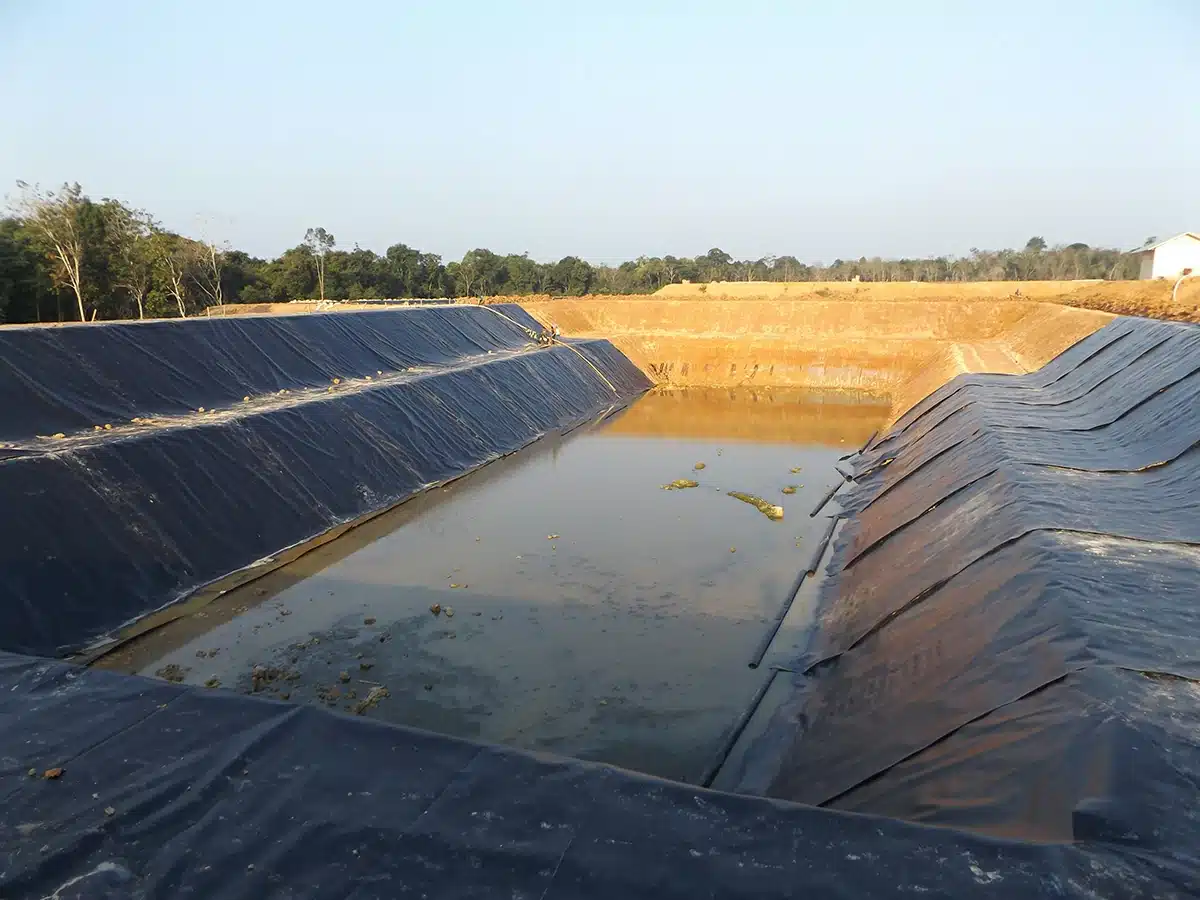
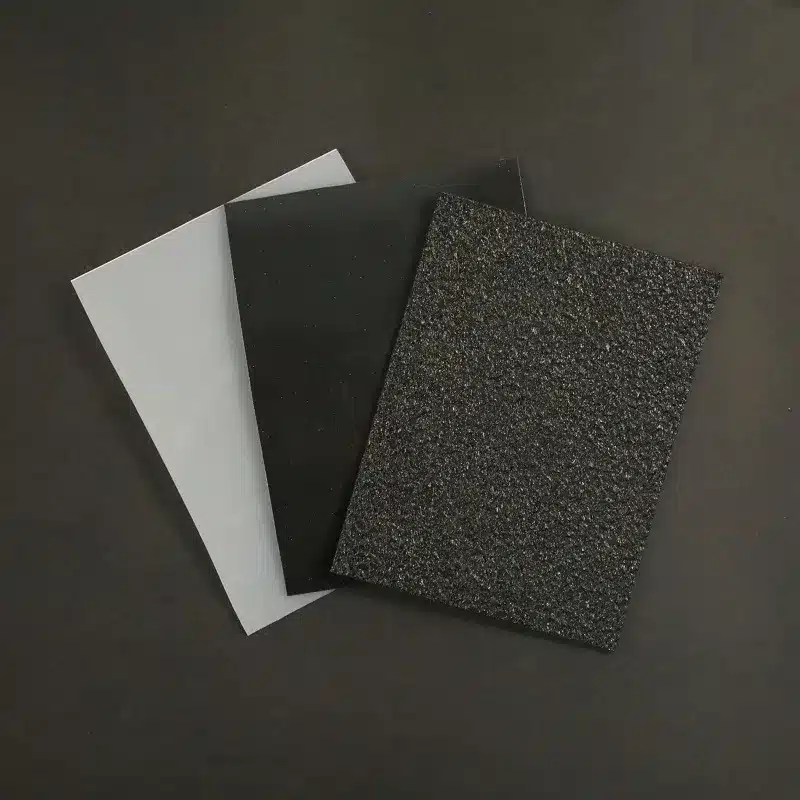
Linear Low-Density Polyethylene (LLDPE) resin is a versatile polymer widely used in the production of geomembranes, owing to its excellent flexibility, durability, and chemical resistance. These properties make it an ideal choice for applications requiring a robust barrier to liquids and gases. LLDPE geomembranes are extensively used in environmental protection, including landfill liners, water containment for aquaculture and agriculture, and secondary containment for preventing pollution in industrial settings.
What is the difference between HDPE and LLDPE geomembrane?
The primary difference between High-Density Polyethylene (HDPE) and LLDPE geomembranes lies in their density and flexibility. HDPE, being a stiffer material, results in geomembranes that are thicker and have a higher density, which in turn makes them more rigid. This rigidity provides a sturdy barrier, suitable for applications requiring high puncture resistance. On the other hand, LLDPE geomembranes, while slightly less dense, offer superior flexibility. This flexibility allows LLDPE geomembranes to conform better to the underlying substrate, making them ideal for situations where the geomembrane needs to adapt to uneven surfaces or accommodate movements.
Which is better: HDPE or LLDPE?
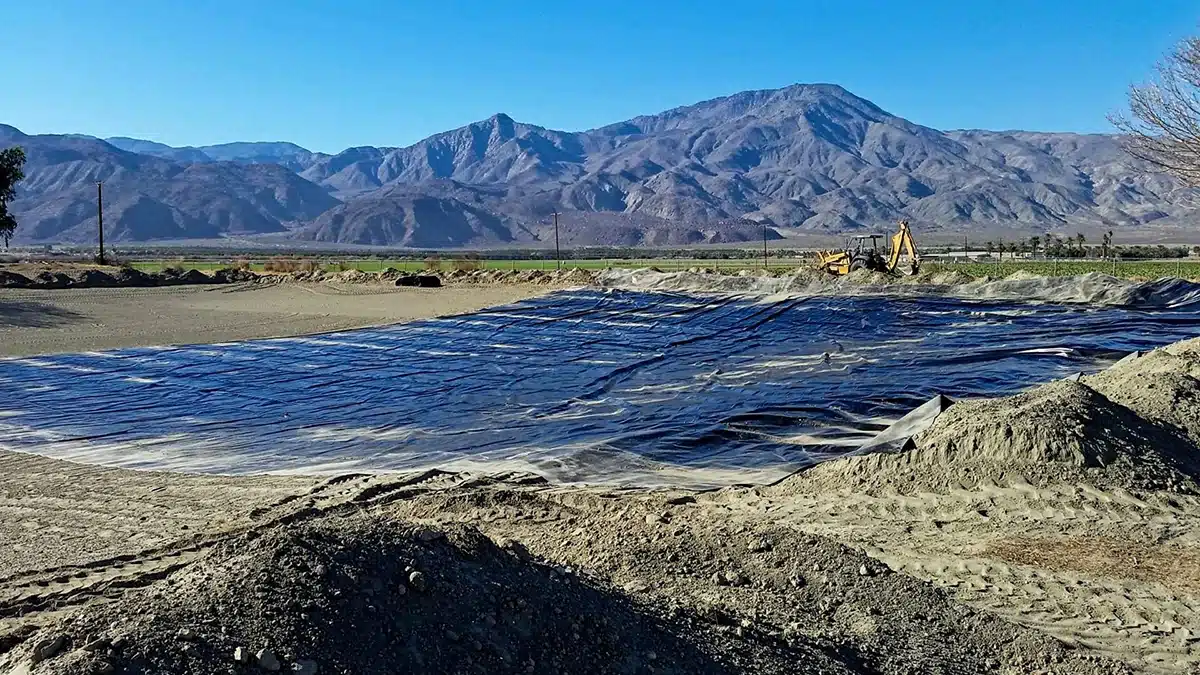
The choice between HDPE and LLDPE geomembranes depends on the specific requirements of the project. While HDPE is better suited for scenarios demanding high mechanical strength and puncture resistance, often used in applications where the geomembrane is exposed and must withstand environmental stressors, LLDPE is recognized as superior when compared to both LDPE and HDPE due to its excellent flexibility and stretch. This makes LLDPE preferable in situations requiring the geomembrane to fit tightly over irregular shapes and surfaces, showcasing its adaptability and resilience. Therefore, the “better” material is the one that aligns with the project’s needs, whether it be the rigidity and strength of HDPE or the enhanced flexibility and performance advantages of LLDPE.
How do you seal a geomembrane?
密封土工膜对于确保其作为屏障的有效性至关重要。该过程包括将土工膜片的边缘焊接在一起,形成连续的屏障。对于 LLDPE 土工膜,这通常是使用热焊接来完成的,这种方法通过加热来熔化接缝处的土工膜材料,并在冷却时将它们熔合在一起。此外,使用氯丁橡胶垫圈和不锈钢夹增强密封,并使用通用电气密封剂、RTV 103 或类似物密封在土工膜边缘,可以进一步确保屏障的完整性。正确的焊缝以及这些额外的密封措施对于防止泄漏和确保土工膜安装的使用寿命至关重要。专业人员经常采用气压测试或真空测试等测试方法来验证接缝的完整性。
LLDPE树脂因其在生产高质量土工膜方面的作用而在建筑和环保行业中脱颖而出。 LLDPE 土工膜具有卓越的灵活性、耐化学性和耐用性,可为各种围堵需求提供可靠的解决方案。 LLDPE 和 HDPE 土工膜之间的选择最终取决于项目的具体要求,每种材料都具有独特的优势。正确的安装和密封技术对于最大限度地提高这些土工膜的有效性至关重要,确保它们满足预期的性能标准。随着对可持续耐用建筑材料的需求不断增长,土工膜用 LLDPE 树脂将继续在全球环保项目中发挥关键作用。


Comments
Post a Comment