Comparing Geogrid and Woven Geotextile: What You Need to Know
In the vast field of civil engineering and construction, the search for materials that combine durability, flexibility, and cost-efficiency is endless. Among the innovations that have made a significant impact in recent years is the biaxial woven geogrid made from polyester. This advanced material has not only revolutionized the way infrastructures are built but also enhanced their longevity and performance. This article dives deep into the fabric of this remarkable technology, answering key questions about its nature, its differences from other materials, and its unparalleled benefits in modern construction.
What is Polyester Geogrid?
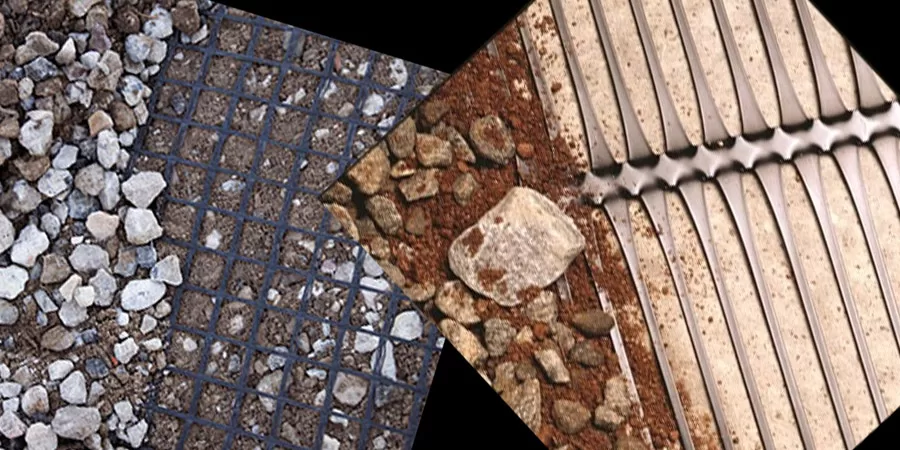
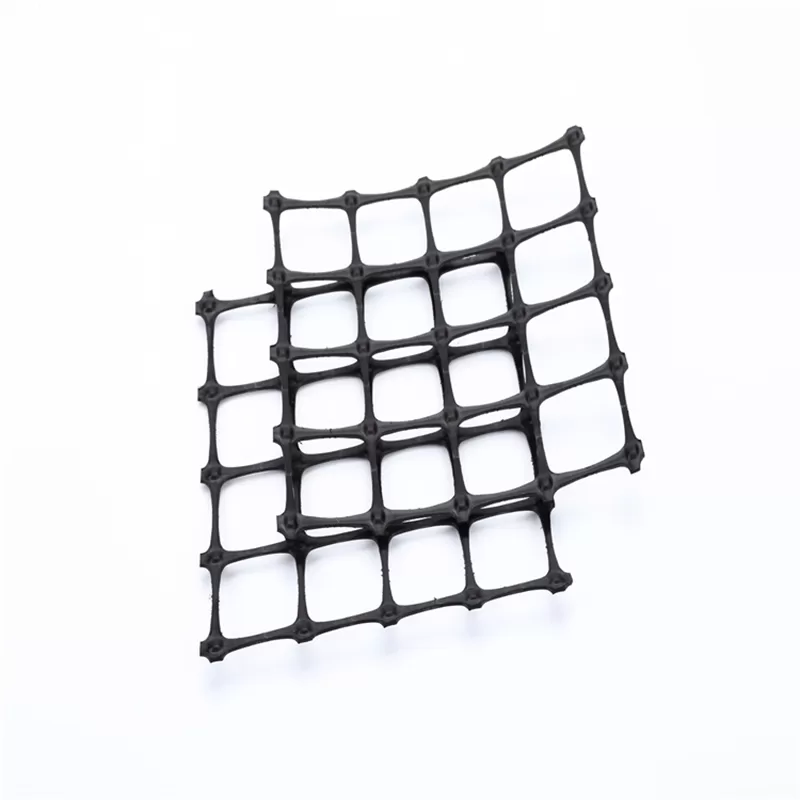
Polyester geogrid, known as a versatile and affordable solution for improving soil stability and reducing erosion, is a standout type of geosynthetic material designed for soil reinforcement. Crafted from high-strength polyester yarns coated with a protective polymer, it showcases a grid-like structure that adeptly interlocks with soil or aggregate. This innovation has gained wide usage in the construction industry, finding its place in vital applications such as roadways, retaining walls, and embankments. The primary role of this essential material is to distribute loads more evenly, significantly enhancing the stability and strength of the soil structures it reinforces while providing an economical option for long-term infrastructure projects.
What is Biaxial Geogrid?
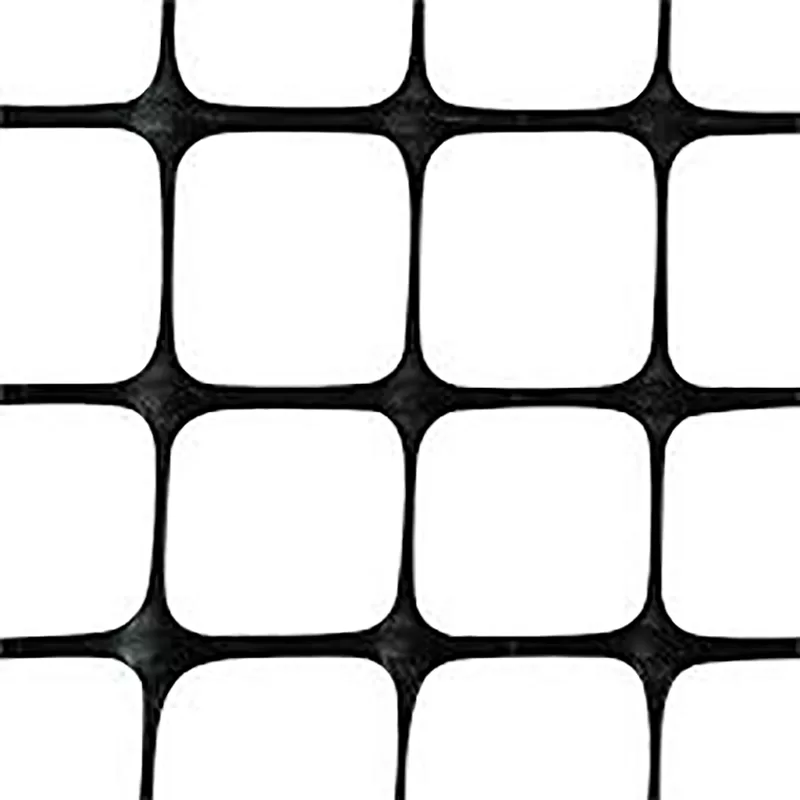
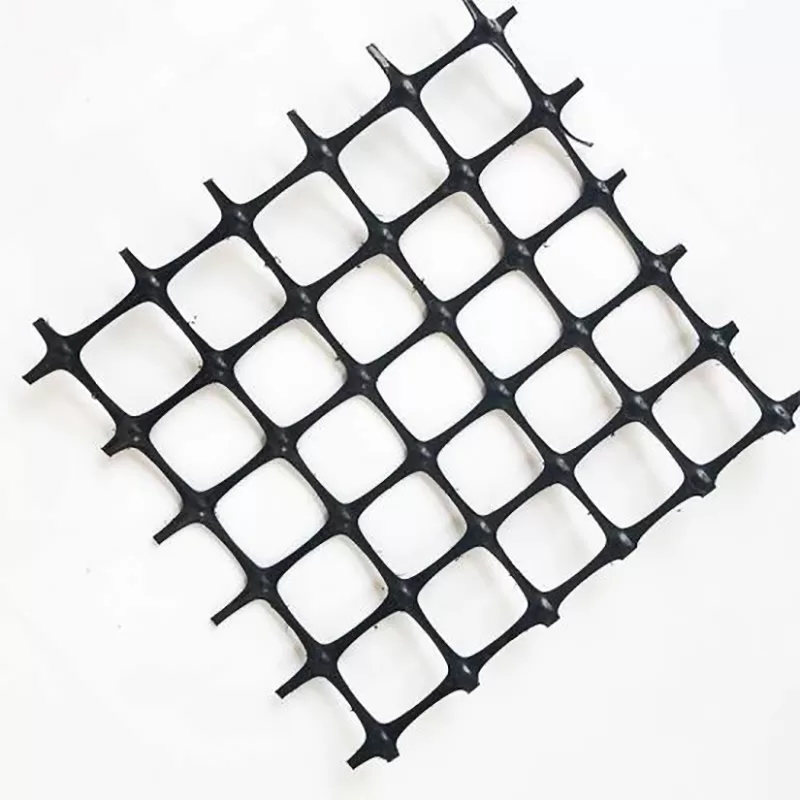
Biaxial geogrids, a geosynthetic compound made out of polypropylene polymers, are engineered to reinforce and stabilize soils with their strength in two directions – longitudinally and transversely. This unique two-way reinforcement capability renders them exceptionally well-suited for applications demanding multidirectional stress distribution, such as in pavement base courses, parking lots, and foundations. By integrating these geogrids into construction projects, they effectively improve the load-carrying capacity of soils and significantly extend the lifespan of the constructed surfaces by minimizing deformation and failure.
What is the difference between Uniaxial and Biaxial Geogrids?
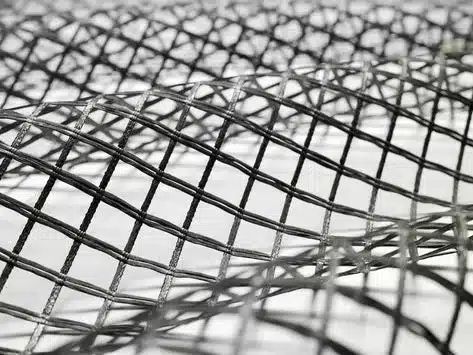
The primary difference between uniaxial and biaxial geogrids lies in their direction of strength. Uniaxial geogrids, which are used for steep slopes and retaining walls, are designed to provide strength in a single direction (either longitudinally or transversely), catering specifically to applications where stress is predominantly in one direction. Biaxial geogrids, offer strength in both directions, and triaxial geogrids, which are common in roadways, are ideal for situations where stresses are applied in multiple directions, such as road beds and foundations. This distinction highlights the importance of selecting the appropriate type of geogrid based on the specific needs of the project and the directional stresses involved, ensuring optimal performance and durability of the infrastructure.
What is the difference between Geogrid and Woven Geotextile?
Although both geogrids and woven geotextiles are used for soil reinforcement and stabilization, they differ significantly in their structure and functionality. Geogrids are characterized by their open grid-like structure, which allows them to interlock with soil particles or aggregate, providing tensile reinforcement. Woven geotextiles, on the other hand, have a tight, fabric-like weave that offers separation and filtration functions in addition to reinforcement. Geogrids are typically used in applications requiring high tensile strength, while woven geotextiles are chosen for their ability to separate different soil layers and filter water, preventing soil erosion and allowing for drainage.
The introduction of biaxial woven geogrids made from polyester into the construction and civil engineering sectors has marked a significant advancement in materials technology. Offering superior durability, flexibility, and multidirectional strength, these materials address a myriad of challenges faced by traditional construction methods. Whether it’s enhancing the load-bearing capacity of soil, extending the lifespan of infrastructure projects, or providing cost-effective solutions for complex engineering problems, biaxial woven geogrids from polyester stand out as a cornerstone of modern construction techniques. As we continue to explore and understand their potential, it’s clear that these innovative materials will play a crucial role in shaping the future of construction and engineering.


Comments
Post a Comment