Boosting Infrastructure Durability with PP Uniaxial Geogrids
In the realm of civil engineering and construction, the quest for materials that offer both reliability and efficiency has led to significant advancements. Among these, Polypropylene (PP) Uniaxial Geogrids emerge as a cornerstone technology, boasting unparalleled strength and adaptability. Designed to reinforce soil, these geogrids are pivotal in a wide range of applications, from road construction to landslide prevention. This article delves into the essence of PP Uniaxial Geogrids, exploring their benefits, applications, and how they’re revolutionizing geotechnical engineering.
What are PP Uniaxial Geogrids?
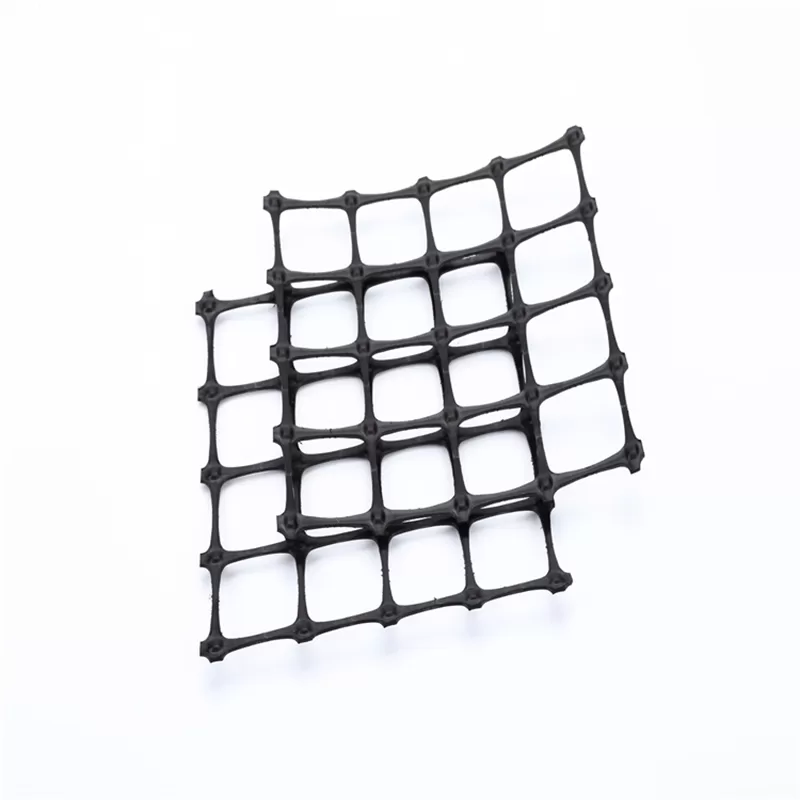
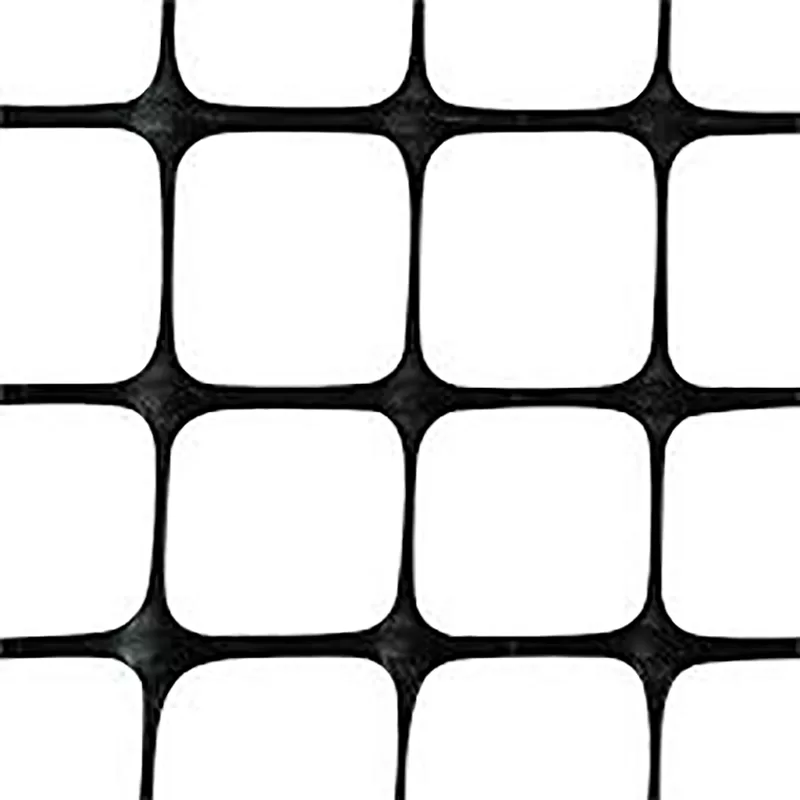
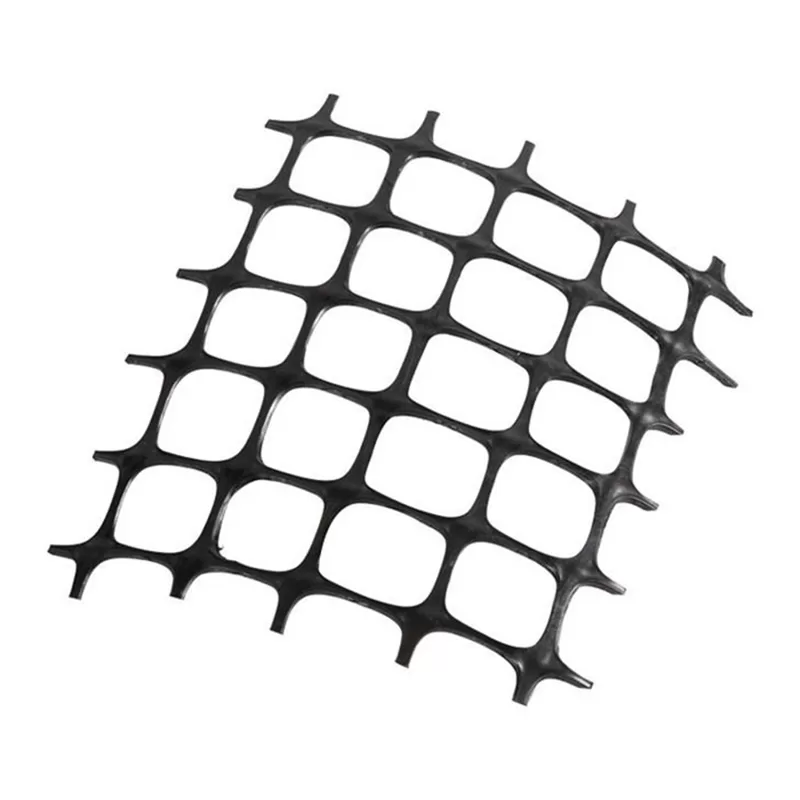
PP Uniaxial Geogrids, crafted from high-density polypropylene, feature a unidirectional structure with one-way stretch that provides stabilization in one direction only, mainly longitudinal. This characteristic longitudinal strength arises from the strategic orientation of polymer chains in a singular direction. Such a design, specifically engineered to offer tensile reinforcement to soil, significantly enhances its load-bearing capacity. Through this targeted reinforcement approach, PP Uniaxial Geogrids serve as pivotal components in various construction and environmental applications, presenting a sustainable and robust solution to prevalent geotechnical challenges.
How do PP Uniaxial Geogrids Benefit Construction Projects?
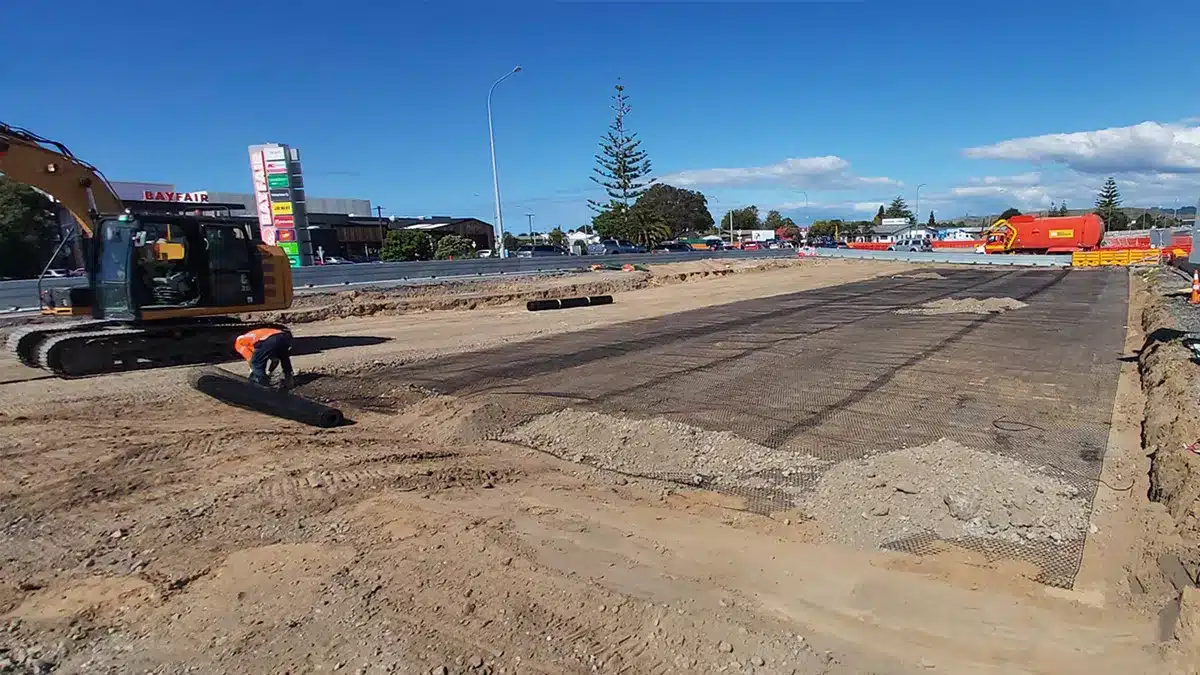
The benefits of using PP Uniaxial Geogrids in construction projects are multifaceted. Primarily, they significantly enhance the stability and durability of soil, reducing the risk of erosion and settlement. This results in safer, more reliable infrastructure with a longer lifespan. Additionally, they allow for the use of local soils that might otherwise be deemed unsuitable for construction, thereby reducing material costs and the environmental impact associated with transportation. Their installation is relatively straightforward and does not require specialized equipment, further contributing to cost savings and efficiency.

Where are PP Uniaxial Geogrids Commonly Used?
PP Uniaxial Geogrids find their application in a myriad of geotechnical projects. They are extensively used in the construction of roads, railways, and retaining walls, where they reinforce soil and enhance stability. Slope protection and landslide prevention are other critical areas of application, as these geogrids provide the necessary support to prevent soil movement. Additionally, they are employed in the construction of embankments over soft soils, where their use can significantly accelerate project timelines and ensure long-term durability.
What are the properties of uniaxial geogrid?
Uniaxial geogrids, designed primarily for soil reinforcement, exhibit a unique set of properties that make them ideal for a wide range of geotechnical applications. These properties include:
- High Tensile Strength: Uniaxial geogrids are manufactured to provide high tensile strength in one direction (the principal direction of the grid), which is essential for applications requiring soil reinforcement, such as retaining walls and slopes. This directional strength helps in resisting the lateral pressures of earth masses.
- Low Creep: These geogrids are made from materials that exhibit low creep characteristics, such as high-density polyethylene (HDPE) or polypropylene (PP). Creep is the tendency of a material to deform under the influence of mechanical stresses over time. Low creep is critical for long-term performance in applications where the geogrid is under constant tension.
- Flexibility: Despite their high tensile strength, uniaxial geogrids maintain a degree of flexibility. This flexibility allows them to conform to uneven ground surfaces and accommodate differential settlement without losing performance capabilities.
- Durability: Uniaxial geogrids are highly durable and resistant to UV radiation, chemicals, biological organisms, and extreme temperatures. This durability ensures a long service life even in harsh environmental conditions.
- Interlocking Capability: The open grid structure of uniaxial geogrids enables them to interlock effectively with soil or aggregate materials, creating an integrated reinforced mass. This interaction improves the overall stability of the soil structure by increasing its shear strength.
- Permeability: The open grid design also allows for the free movement of water, which is important for drainage and the prevention of hydrostatic pressure build-up behind reinforced structures.
- Environmental Resistance: These geogrids are resistant to a wide range of environmental factors, including pH variations in soils, making them suitable for use in diverse geographical locations and soil types.
PP Uniaxial Geogrids stands at the forefront of geotechnical innovation, offering a blend of strength, sustainability, and efficiency unmatched by traditional construction materials. Their ability to reinforce soil and enhance the durability of infrastructure projects makes them an indispensable tool in modern construction and engineering. By understanding the benefits and applications of these geogrids, professionals in the field can leverage their potential to create safer, more sustainable, and cost-effective solutions to geotechnical challenges.


Comments
Post a Comment