The Versatile World of Geomembrane Waterproofing: Applications & Benefits
In the quest for durable and effective waterproofing solutions, geomembrane waterproofing stands out as a technological marvel, safeguarding structures from the relentless assault of water. This advanced material, often hidden beneath the surface, plays a pivotal role in preserving the integrity of buildings, ponds, and even landfill sites, making it an indispensable ally against water-induced deterioration. This article delves into the science behind geomembrane waterproofing, exploring its applications, benefits, and what makes it a superior choice for water management projects across the globe.
What is Geomembrane Waterproofing?
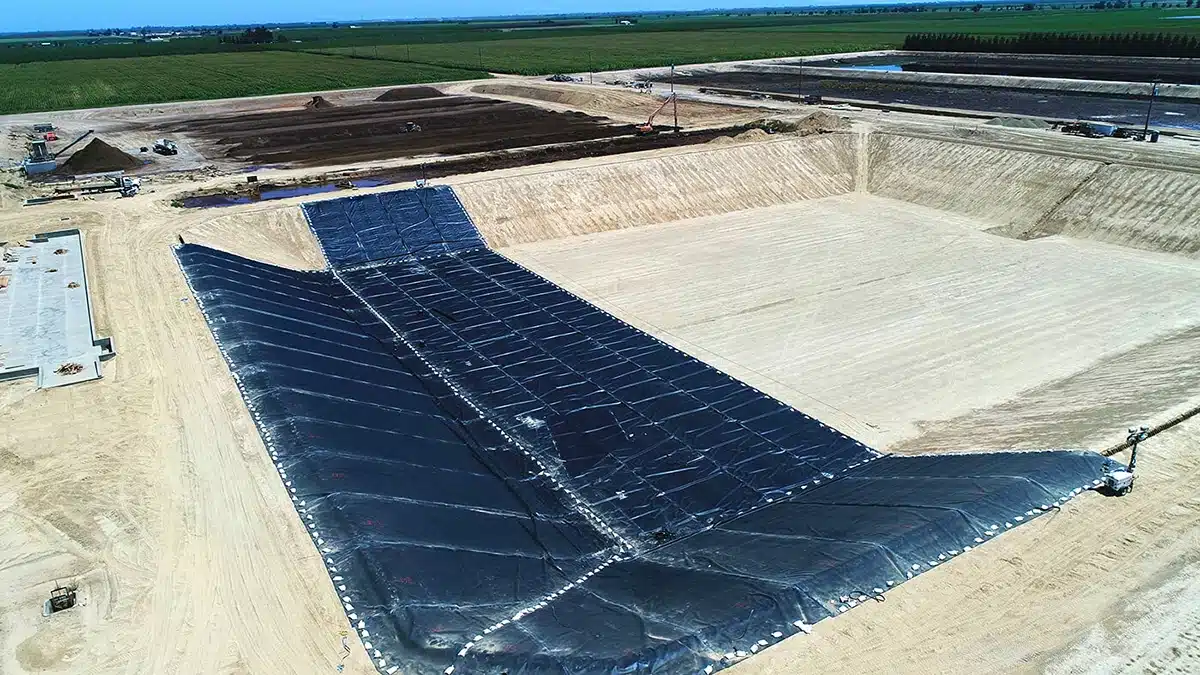
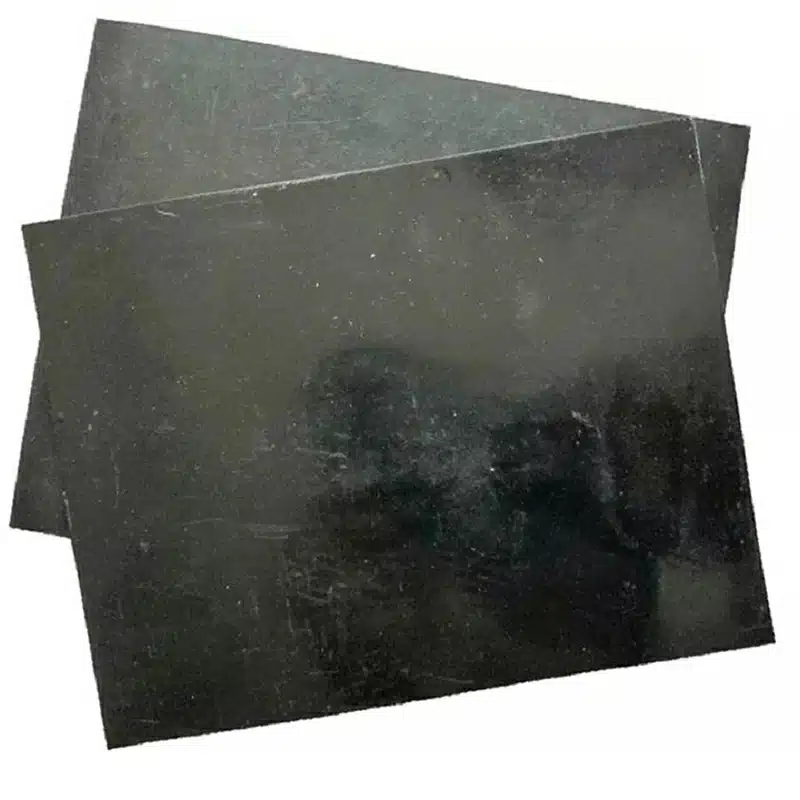
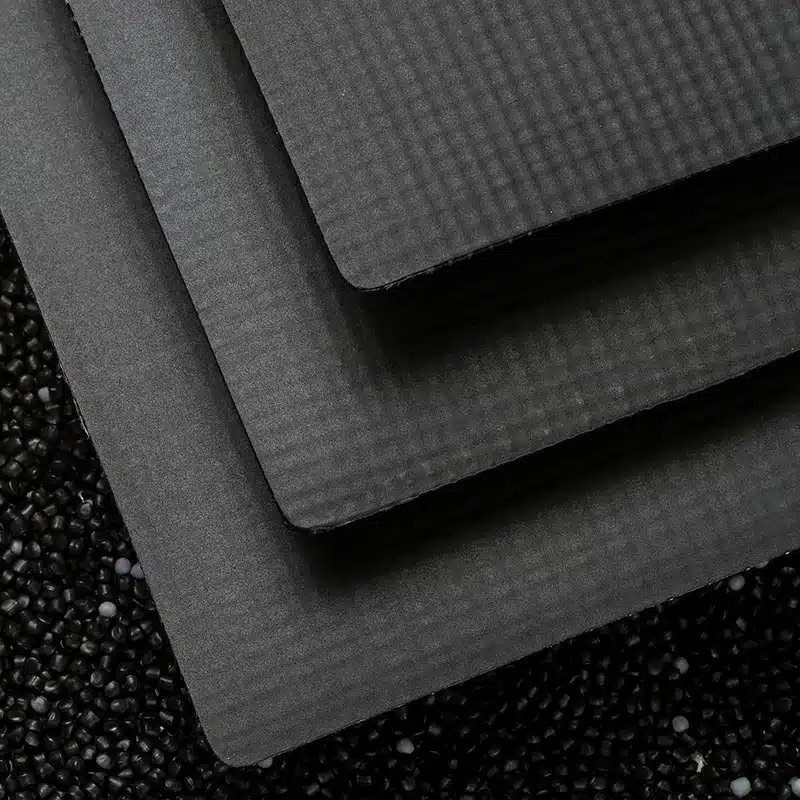
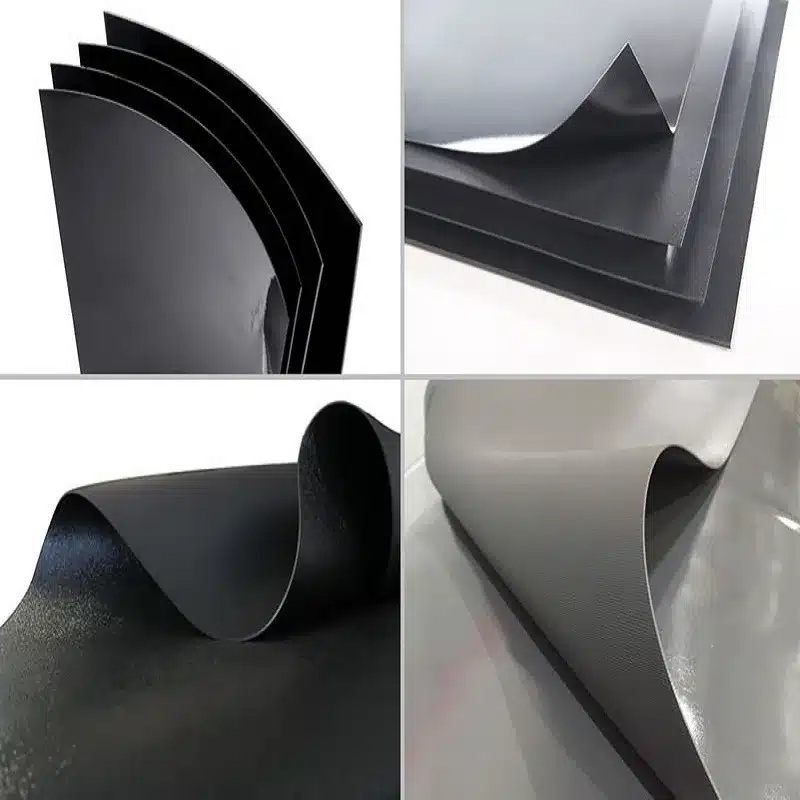
Geomembrane waterproofing involves the use of very thin, impermeable membranes made from synthetic materials to prevent water penetration. These membranes, composed of materials like HDPE, LDPE, PVC, or TPO, are engineered to offer a high resistance to punctures, chemicals, and UV radiation. Deployed across a variety of settings, from artificial lakes and reservoirs to the foundations of buildings, geomembranes provide a physical barrier that water cannot breach, ensuring long-term dryness and stability of the structures they protect.
How does Geomembrane Waterproofing work?
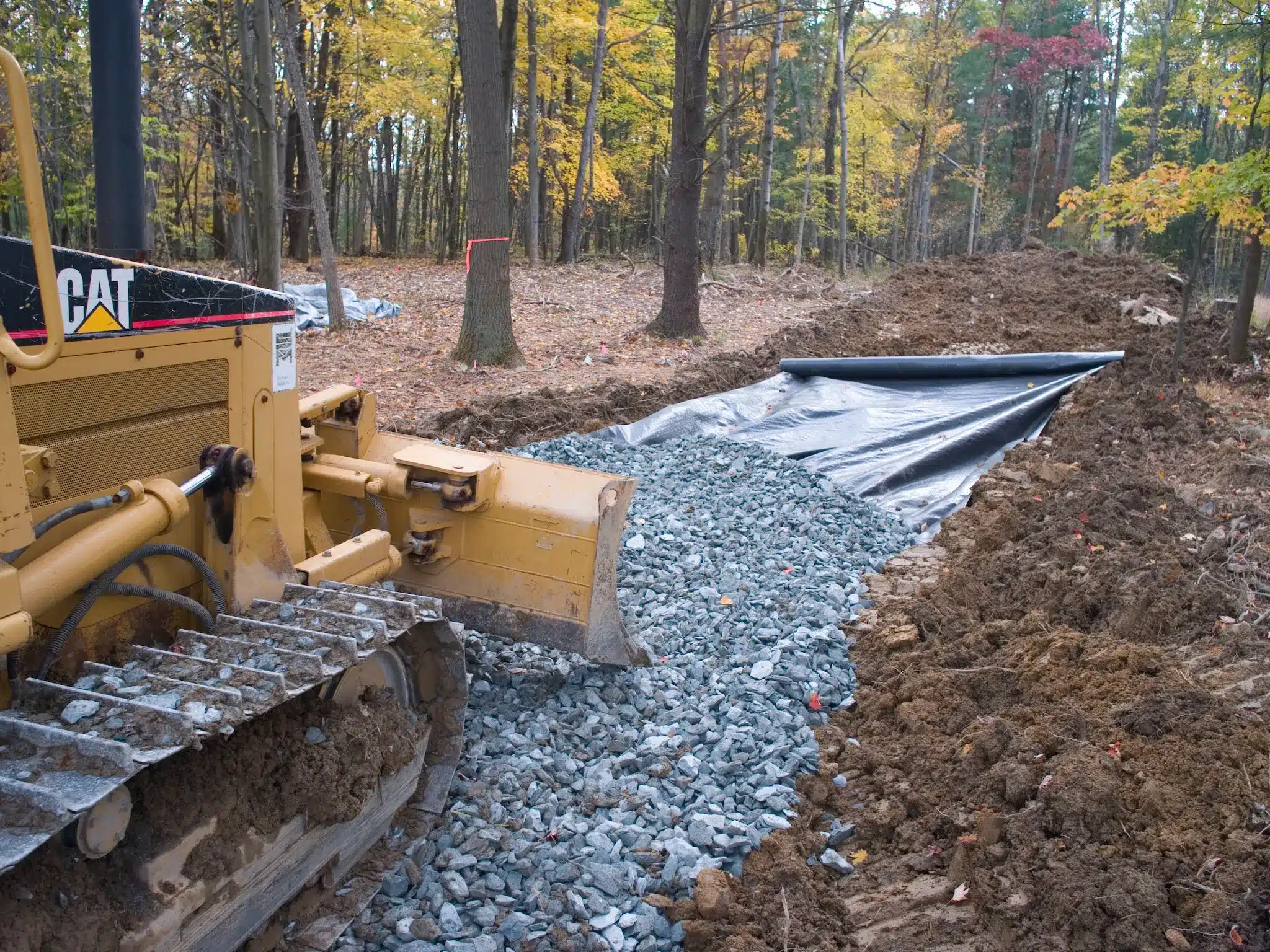
The effectiveness of geomembrane waterproofing lies in its simple yet powerful principle: it acts as a continuous barrier that physically blocks water from reaching vulnerable surfaces. Installation involves laying out the geomembrane sheets over or around the area needing protection, and then sealing the seams to create a unified barrier. This can be applied above ground, like in canal linings, or buried beneath the earth, such as in landfill caps. The choice of material and the installation method depend on the specific requirements of the project, including exposure to chemicals, the expected life of the membrane, and environmental factors.
What are the benefits of using Geomembrane Waterproofing?
The benefits of geomembrane waterproofing are vast, making it a preferred choice for many engineers and architects. Firstly, it offers unmatched durability, with a lifespan that can exceed 20 years under optimal conditions. It’s highly resistant to a wide range of chemicals, making it ideal for industrial applications. Additionally, geomembrane is environmentally friendly, as it prevents contaminants from seeping into the ground or water bodies. Its versatility allows for use in various projects, including waste containment, water storage, and construction, offering a cost-effective solution to long-term waterproofing needs.
What are the key considerations in selecting and installing Geomembrane Waterproofing systems?
选择正确的土工膜系统需要考虑项目的具体需求,包括暴露于阳光、化学品和机械应力。材料的厚度和类型(HDPE、LDPE、PVC、TPO)是关键因素,接缝密封方法(焊接、粘合剂或胶带)也是如此。专业安装至关重要,因为密封不当可能导致泄漏。环境影响评估也可能是必要的,以确保土工膜的使用符合当地法规和可持续发展目标。
土工膜防水代表了保护结构和环境免受水的有害影响方面的飞跃。凭借其强大的材料科学基础、多功能性和成本效益,土工膜技术为无数防水挑战提供了引人注目的解决方案。无论是保护建筑奇迹还是确保蓄水工程的安全,土工膜防水都证明了人类在与水损害的持续斗争中的聪明才智。随着我们不断突破建筑和环境保护的界限,土工膜防水无疑将在塑造干燥、安全和可持续的未来方面发挥关键作用。


Comments
Post a Comment