The Unseen Hero of Road Construction: Geotextile Stabilization Fabric
When it comes to building stable, durable, and safe roadways, the magic often lies beneath the surface. One of the unsung heroes in this realm is the geotextile stabilization fabric, particularly woven geo-textile, a key material used in the construction and maintenance of highways, driveways, and more. This article delves into the world of geotextile fabrics, exploring their roles, types, including woven varieties, applications, and benefits in road construction. By understanding the significance of this innovative material, including the specific advantages offered by woven geo-textile, we can appreciate the complex engineering involved in the roads we travel on every day.
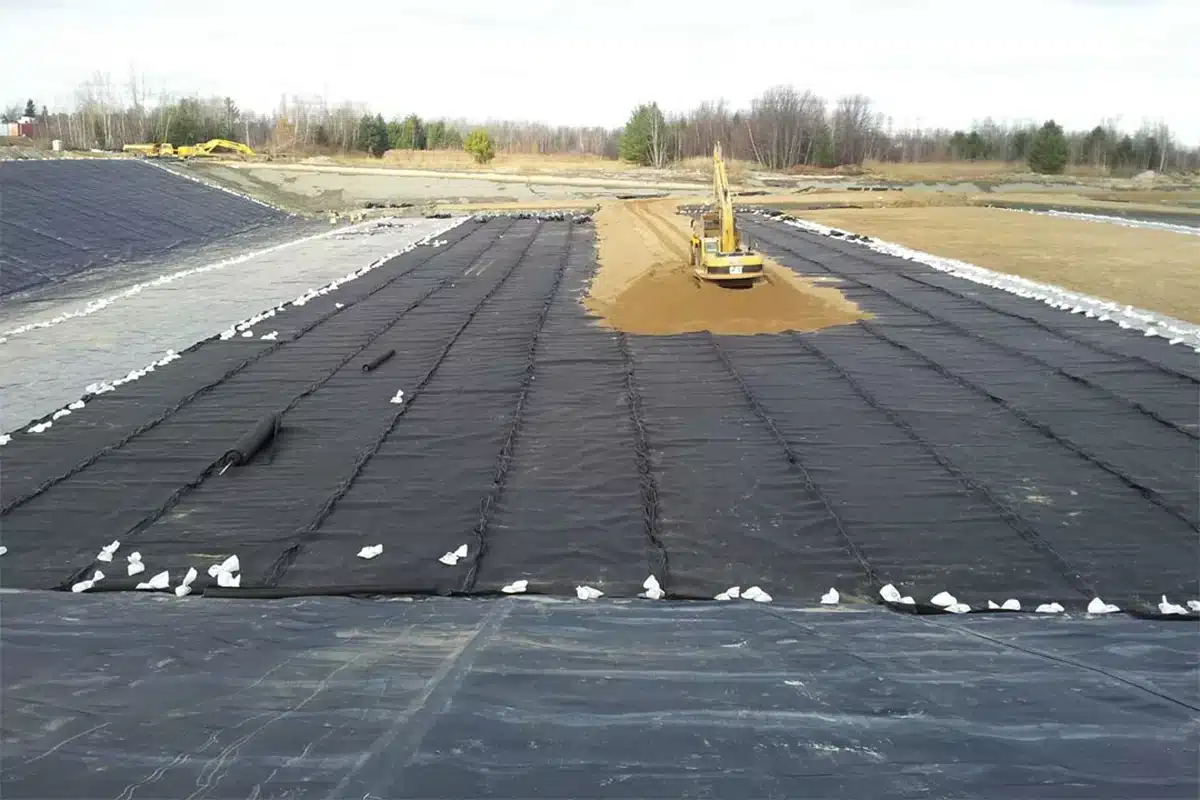
What is the role of geotextile in highway stabilization?
Geotextile fabrics play a pivotal role in highway stabilization by providing a separation layer between the subgrade (the existing soil) and the road base material, effectively controlling separation and preventing the intermixing of different soil layers, which can weaken the road structure. Additionally, geotextiles enhance soil stability by distributing loads more evenly (reinforcement), improving drainage, and mitigating the risk of erosion and sedimentation through filtration. These functions—reinforcement, filtration, drainage, and control separation—are crucial in maintaining the integrity and longevity of highways, especially in areas prone to heavy rainfall or on unstable soils.
What is geotextile fabric for subgrade stabilization?
Geotextile fabric for subgrade stabilization refers to a permeable textile material, including woven geotextiles, which are strategically placed between the aggregate and the subgrade to stabilize the soil, preserve the aggregate, and reinforce the surrounding soil. This design is intended to reinforce the ground by increasing its load-bearing capacity, which is particularly important in areas with weak or highly compressible soils. By acting as a barrier, woven geotextiles maintain the essential separation of the subgrade from the aggregate layers above, ensuring that the road foundation remains stable and well-drained, thus extending the life of the road surface.
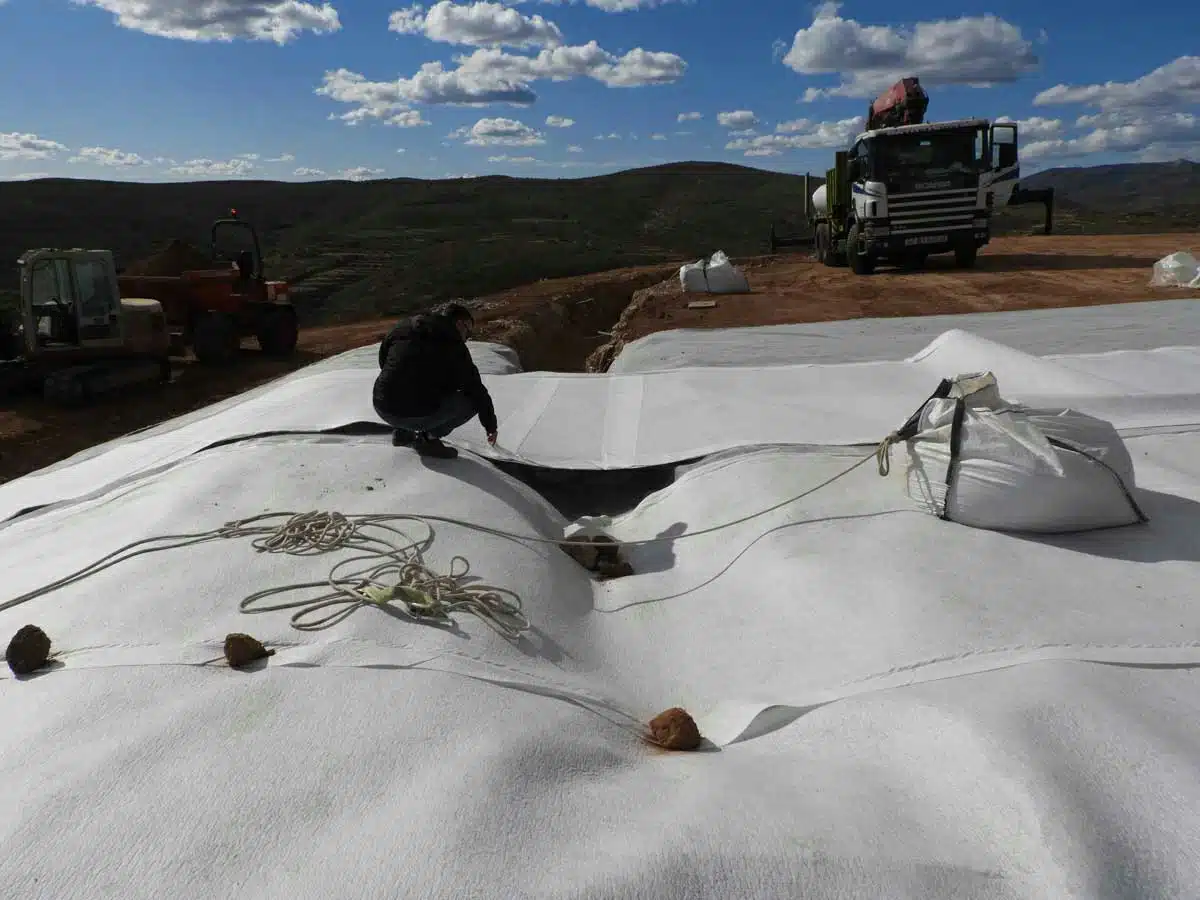
Why use geotextile fabric for driveways?
Using geotextile fabric for driveways offers several advantages, including enhanced durability and stability. The fabric not only helps to prevent ruts and potholes by keeping the aggregate in place but also prevents the underlying soil from mixing with the gravel or asphalt, which can prevent you from continually needing to add more aggregate base to your road since the rock will drop into the subgrade layer. This is especially beneficial in areas subject to freeze-thaw cycles, where the expansion and contraction of the ground can cause damage over time. Furthermore, geotextile fabric improves drainage, reducing the likelihood of water accumulation and the potential for soil erosion beneath the driveway.
What are the benefits of geotextile fabric?
The benefits of geotextile fabric in road construction are extensive:
- Enhanced Durability: By stabilizing the soil and preventing aggregate mixing, geotextile fabric extends the lifespan of road surfaces. Additionally, some geotextiles provide biaxial resistance, enhancing their ability to support and stabilize under varying directions of stress.
- Improved Drainage: It allows water to pass through while filtering out fine particles, reducing the risk of waterlogging and soil erosion.
- Increased Stability: Geotextiles distribute loads more evenly and provide biaxial resistance, reducing stress on the subgrade and preventing deformation.
- Cost Efficiency: By improving the longevity and reducing maintenance needs of roadways, geotextiles can offer significant cost savings over the life of a road.
- Environmental Benefits: They can reduce the need for quarrying additional aggregate material and allow for the use of local soils, minimizing environmental impact.
Geotextile stabilization fabric is a cornerstone of modern road construction, offering a blend of durability, stability, and environmental sustainability. Its application in highways, driveways, and other infrastructure projects underpins the safety and longevity of these essential pathways. Understanding the role and benefits of geotextile fabrics allows us to appreciate the complex engineering and thoughtful planning that goes into the roads we rely on every day, making it a critical material in the development of resilient and sustainable infrastructure.



Comments
Post a Comment