Revolutionizing Ground Improvement: The Impact of Reinforcement Geosynthetics
In the world of civil engineering and construction, innovation and sustainability are paramount. Among the myriad of advancements, reinforcement geosynthetics stand out as a transformative solution for ground improvement. These materials not only offer enhanced durability and stability to structures but also contribute to environmentally friendly construction practices. This article delves into the essence of reinforcement geosynthetics, exploring their types, methods of ground improvement, and the mechanisms through which they reinforce the earth beneath our feet. Join us as we unravel the complexities of these groundbreaking materials and their pivotal role in shaping the future of construction.
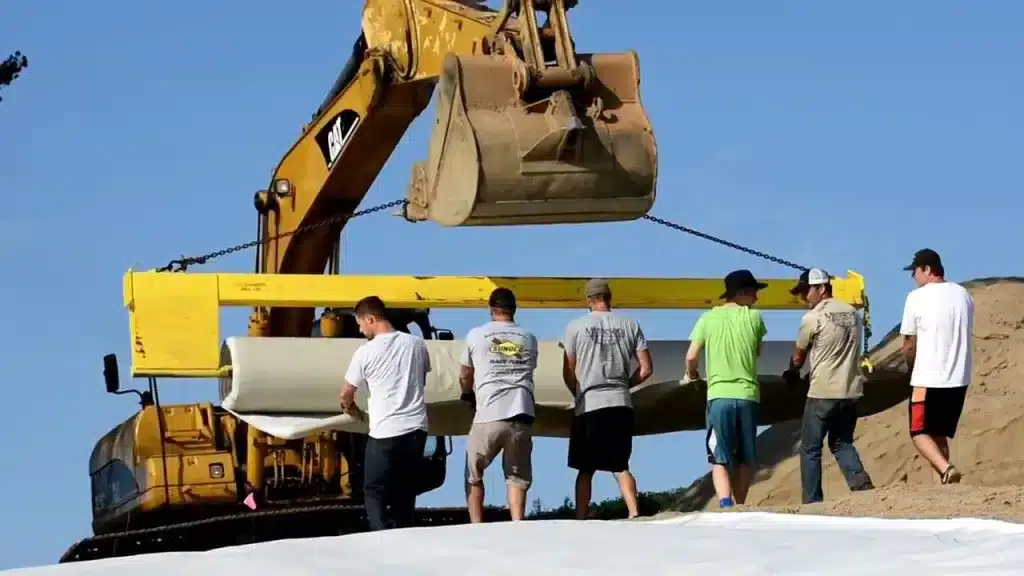
What is Geosynthetic Reinforcement?
Geosynthetic reinforcement refers to the strategic use of geosynthetic materials to bolster the mechanical properties of soil. These materials, predominantly crafted from polymers like polyethylene or polyester, are meticulously designed to distribute loads more uniformly, enhance the soil’s shear strength, and minimize deformation. Notably, this versatile technique enables the construction of soil structures with slope face angles up to as high as 70 degrees from horizontal, showcasing its efficacy in diverse applications such as road construction, embankments, retaining walls, and landfill sites. By adeptly integrating these synthetic products into the soil, engineers are equipped to forge more stable and enduring structures, adeptly navigating even the most challenging terrains.
What is the Reinforcement Method of Ground Improvement?
The reinforcement method of ground improvement involves incorporating geosynthetics into the soil to achieve desired engineering properties. This process can take several forms, including the use of geotextiles, geogrids, and geomembranes, among others. The selection of a particular method depends on the specific requirements of the project, such as load-bearing capacity, slope stabilization, or erosion control. Techniques include mechanical stabilization, where geosynthetics are placed in layers to reinforce the soil, and hydraulic stabilization, which focuses on improving water flow and drainage to enhance soil stability.
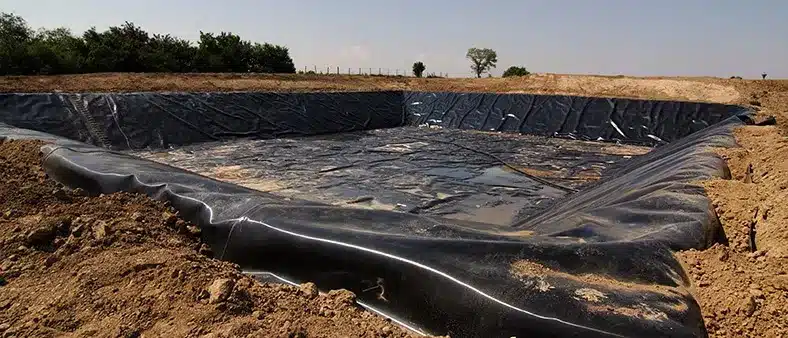
What are the Geosynthetic Materials for Reinforcement?
Geosynthetic materials for reinforcement encompass a wide range of products, each with unique properties and applications. These include:
- Geotextiles: Permeable fabrics, such as polypropylene woven geotextile, which separate, filter, reinforce, protect, or drain when used in association with soil. These geotextiles are particularly valued for their durability and ability to improve soil stability under various conditions.
- Geogrids: Open grid-like structures that reinforce soil and aggregate layers through interlocking mechanisms. They are instrumental in lending additional support and stability to embankments and earth-retaining structures.
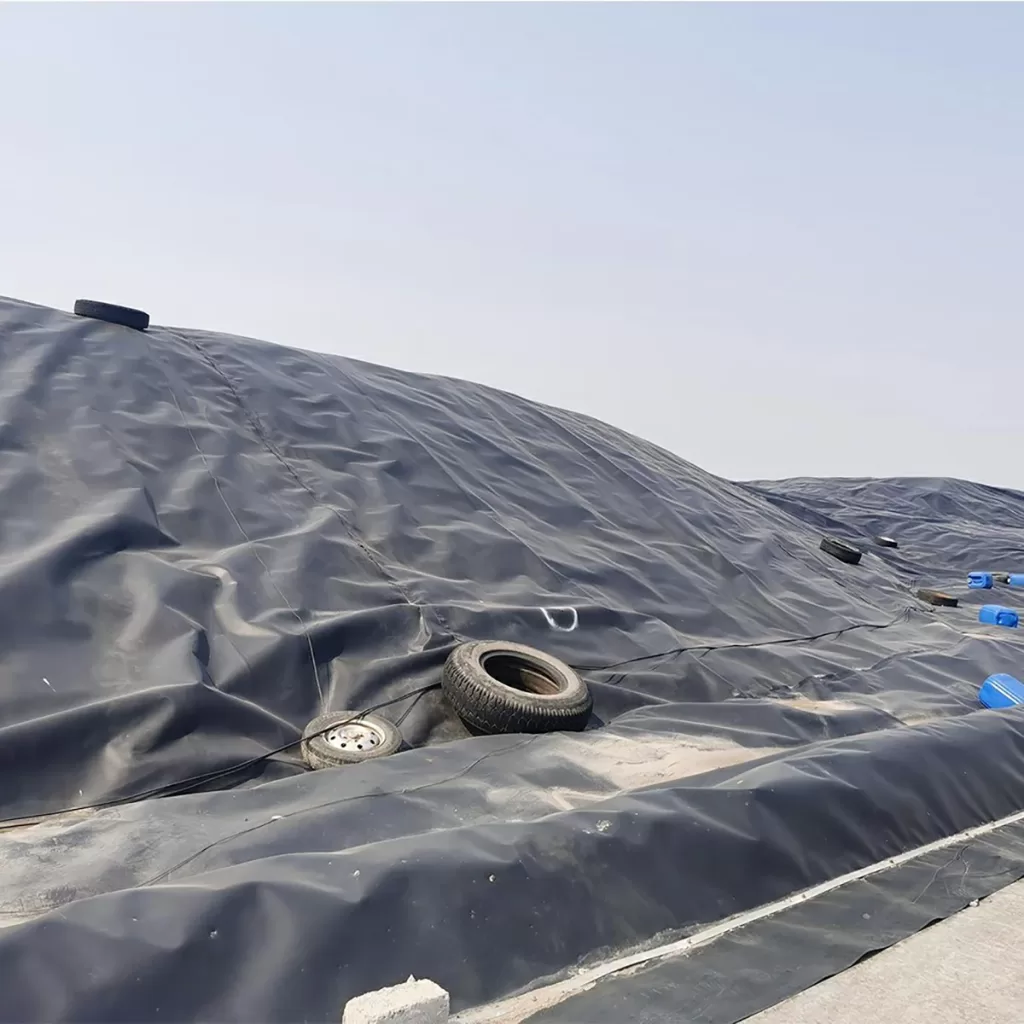
- 土工膜: 防渗板主要用于密封目的,但与土工织物或土工格栅结合使用时也可以提供结构支撑。这些对于环境和液压应用中防止污染至关重要。
- 土工格室: 充满土壤或骨料的三维蜂窝状结构,可改善荷载分布和边坡稳定性。土工格室在土壤稳定和侵蚀控制至关重要的应用中非常有效。
- 土工复合材料: 不同土工合成材料的组合,例如聚丙烯机织土工布与土工膜或土工格栅的组合,以充分利用每种土工材料的优点,为复杂的工程挑战提供多功能解决方案。这种协同方法最大限度地提高了土工合成材料加固结构的性能和耐久性。
土工合成材料的加固机理是什么?
土工合成材料加固土壤的机制包括:
- 提高抗拉强度: 土工合成材料将载荷分布在更广泛的区域,减少土壤上的应力并防止变形。这一过程不仅增强了抗拉强度,而且还有助于横向约束,提高土壤抵抗横向压力和运动的能力。
- 互锁: 特别是土工格栅,土壤颗粒与网格开口互锁,增强了土壤的剪切强度和稳定性。土工格栅和土壤颗粒之间的这种相互作用有助于提高承载能力,使土壤能够支撑更重的荷载,而不会出现明显的沉降或位移。
- 分离和过滤: 土工织物可防止不同土层的混合,同时允许水通过,保持结构完整性并防止侵蚀。这种分离确保了土壤的拉伸强度得以维持,而过滤则提供了一层额外的保护,防止细颗粒的流失,从而随着时间的推移保持土壤结构。
- 限制: 土工格室限制土壤或骨料,增加加筋土壤的刚度和承载能力。受限的土壤表现出张拉膜效应,其中土工格室充当柔性膜,可以更均匀地分布载荷。这种效应与约束的固有特征相结合,显着增强了结构的整体稳定性和耐久性。
加固土工合成材料代表了土木工程和施工的突破性方法,为地面改良提供了可持续且高效的解决方案。这些创新产品通过各种材料和方法增强土壤稳定性,支持环境保护,并为建造耐用且有弹性的结构铺平道路。随着对可持续建筑的需求不断增长,加固土工合成材料在未来项目中的作用必将扩大,凸显出它们在建设更加稳定和可持续的世界方面的重要性。


Comments
Post a Comment