GCLs vs. Geomembranes: The Best Choice for Environmental Engineering
In the ever-evolving field of environmental engineering, the choice between geosynthetic clay liners (GCLs) and geomembranes stands as a critical decision point for projects involving landfill liners, containment solutions, and water management systems. Both materials offer unique benefits and have specific applications where they excel, with geomembranes being impermeable and serving as a barrier to fluid or gas migration. This article delves into the core differences, applications, and considerations between GCLs and geomembranes, providing insights for professionals and enthusiasts alike seeking to understand which solution best fits their environmental engineering needs.
What are Geosynthetic Clay Liners and Geomembranes, and How Do They Differ?
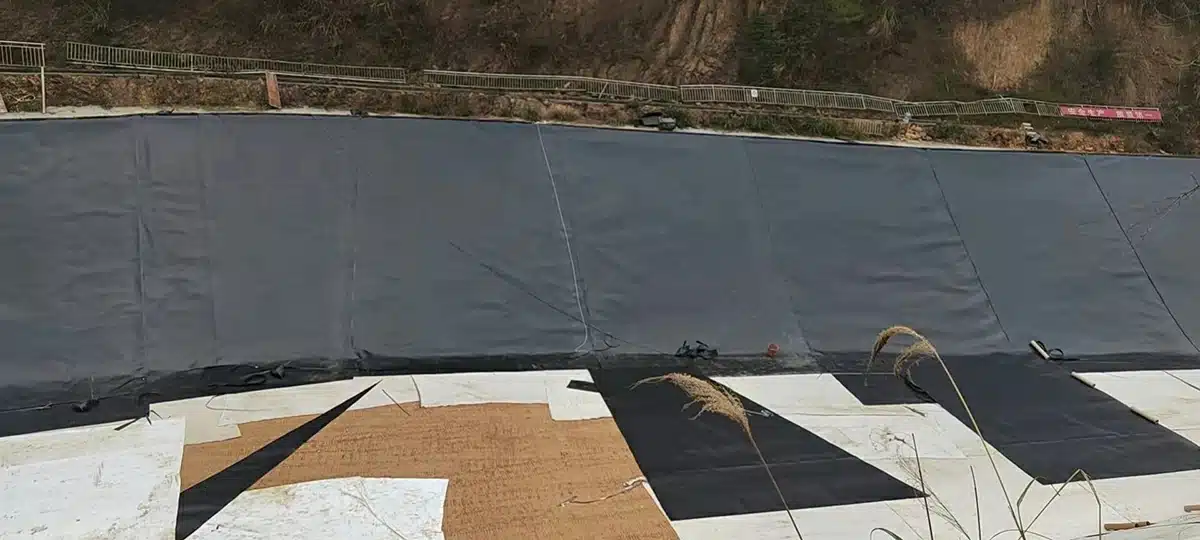
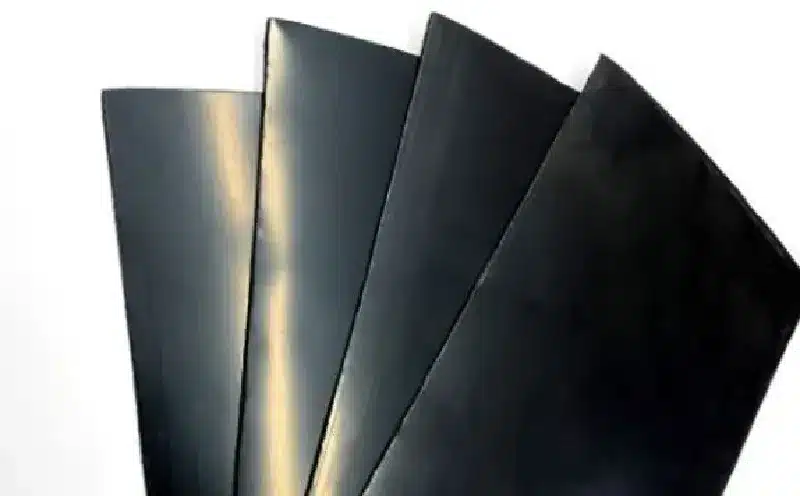
Geosynthetic clay liners (GCLs) are fabricated layers that combine geotextiles with a core of bentonite clay, offering a self-sealing, low-permeability barrier that swells upon contact with water. Geomembranes, distinct in their function, are impermeable membranes made from synthetic materials like HDPE, LDPE, PVC, or EPDM, used primarily to prevent fluid migration, thus acting as an effective barrier to fluid or gas migration. The key difference lies in their construction and the principle of operation: GCLs rely on the swelling property of clay for sealing, while geomembranes provide a direct, impervious barrier.
In What Situations Is Each Material Preferred?
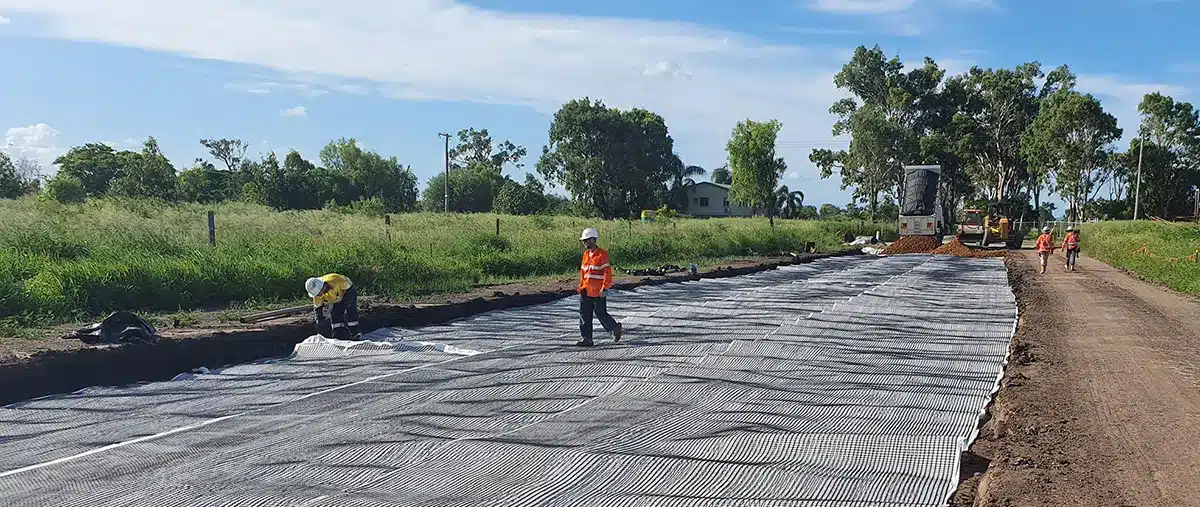
Geosynthetic clay liners are favored in applications requiring self-healing properties, such as when the liner may experience puncturing or small tears, allowing the bentonite to swell and fill gaps. They’re also advantageous for projects with limited access to skilled labor, as GCL installation is relatively straightforward. Geomembranes, known for their impermeability, are chosen for scenarios demanding robust chemical resistance and long-term durability, including industrial waste containment where liners might be exposed to aggressive chemicals, or in water reservoirs where a solid barrier to fluid or gas migration is crucial.
What are the Environmental Considerations Associated with Each?
Both GCLs and geomembranes carry environmental considerations. GCLs, being partially natural products, are often seen as more environmentally friendly but may face limitations in terms of long-term durability under aggressive chemical exposure. Geomembranes, in their role as a steadfast barrier to contaminants, require careful disposal due to their synthetic composition and potential environmental impact if not properly recycled. The choice between them also weighs heavily on the project’s lifecycle and its overall environmental footprint.
How Do Costs Compare Between Geosynthetic Clay Liners and Geomembranes?
The initial cost of GCLs often undercuts that of high-quality geomembranes, attributed to differences in material and manufacturing complexities. Yet, the total cost of ownership must account for installation, maintenance, and longevity. Geomembranes, albeit more costly upfront, can lead to cost savings over time through reduced maintenance needs and extended service life, particularly in environments where chemical exposure might hasten the degradation of GCLs.
Choosing between geosynthetic clay liners and geomembranes involves a meticulous evaluation of project-specific needs, environmental impacts, and long-term performance expectations. While GCLs boast natural materials and self-healing capabilities, geomembranes stand out for their impermeability, superior chemical resistance, and durability. Guided by the particular requirements of the application and considering both immediate and long-term environmental and economic impacts, professionals can make informed decisions that enhance the sustainability and efficacy of their projects.


Comments
Post a Comment