From Landfills to Dams: The Versatile Applications of Geosynthetic Clay Liners
In the realm of environmental engineering and construction, geosynthetic clay liners (GCLs) have emerged as a cornerstone technology for managing and safeguarding our natural resources. These innovative barriers play a pivotal role in containment and are crafted by specialized manufacturers who are dedicated to merging quality with sustainability. This article delves into the intricate world of geosynthetic clay liner manufacturers, exploring the materials, thickness, applications, and advantages of GCLs, shedding light on how these components contribute to environmental protection and infrastructure resilience.
What are geosynthetic clay liners made with?
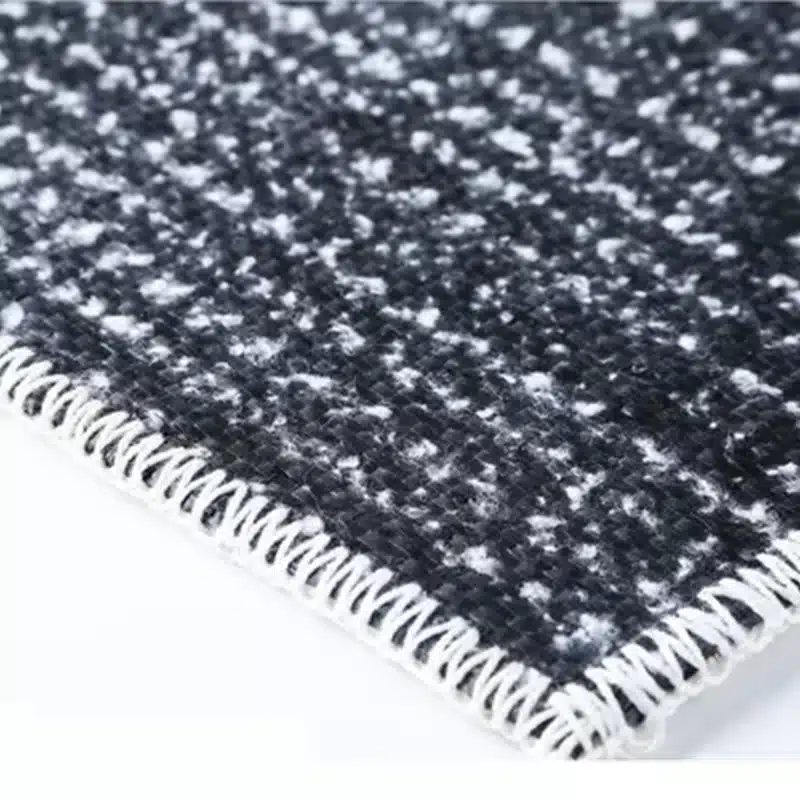
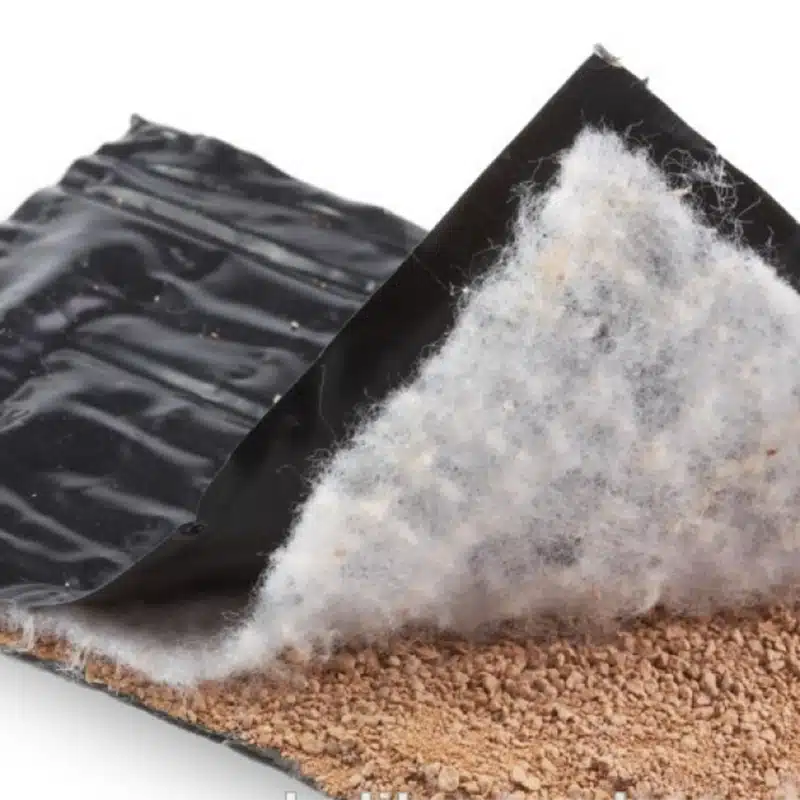
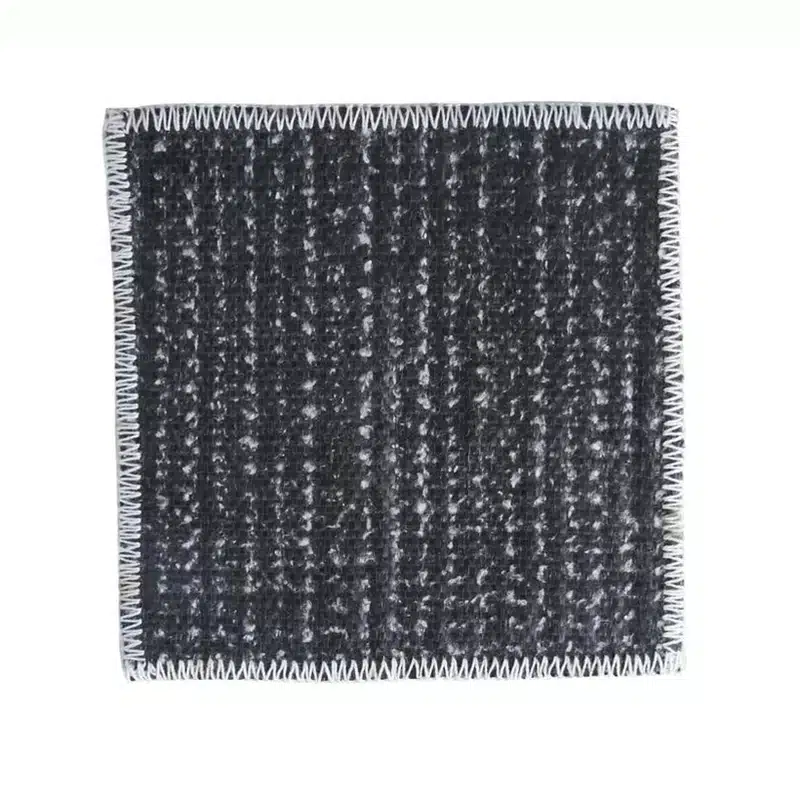
Geosynthetic clay liners are composite materials ingeniously crafted from a layer of bentonite or other very low-permeability material, meticulously supported by geotextiles and/or geomembranes, to form an integrated solution. This assembly features a central bentonite clay component, renowned for its highly absorbent properties and its ability to expand upon water contact, thereby creating a dense and impermeable barrier. Surrounding this core, the geotextiles—synthetic fibers—are employed for structural support, significantly enhancing the liner’s overall strength and durability. Optionally, a geomembrane layer is incorporated to elevate the barrier’s impermeability. Manufacturers of GCLs meticulously select and engineer these components to adhere to stringent environmental and engineering standards, guaranteeing their capability to effectively contain liquids and gases.
How thick is a geosynthetic clay liner?
The thickness of a geosynthetic clay liner, typically ranging from 5-10 mm, is carefully calibrated depending on its composition and the specific demands of its intended application. This precise measurement ensures the bentonite clay core—integral for the liner’s effectiveness—is several millimeters thick, optimizing the GCL’s overall functionality. Such meticulous customization allows manufacturers to tailor the liners to meet specific project requirements, striking an ideal balance between cost-effectiveness and performance. The selected thickness, precisely within the 5-10 mm range, significantly influences the liner’s permeability, shear strength, and its efficacy as a formidable barrier.
What is a clay liner used for?
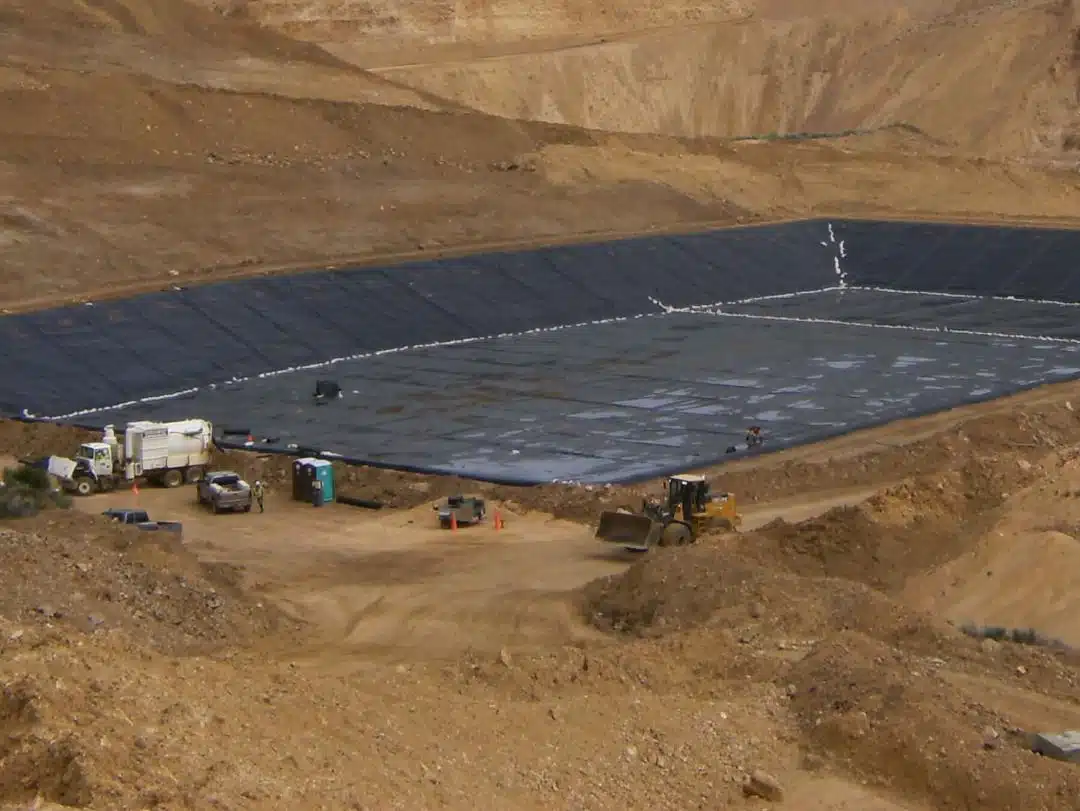
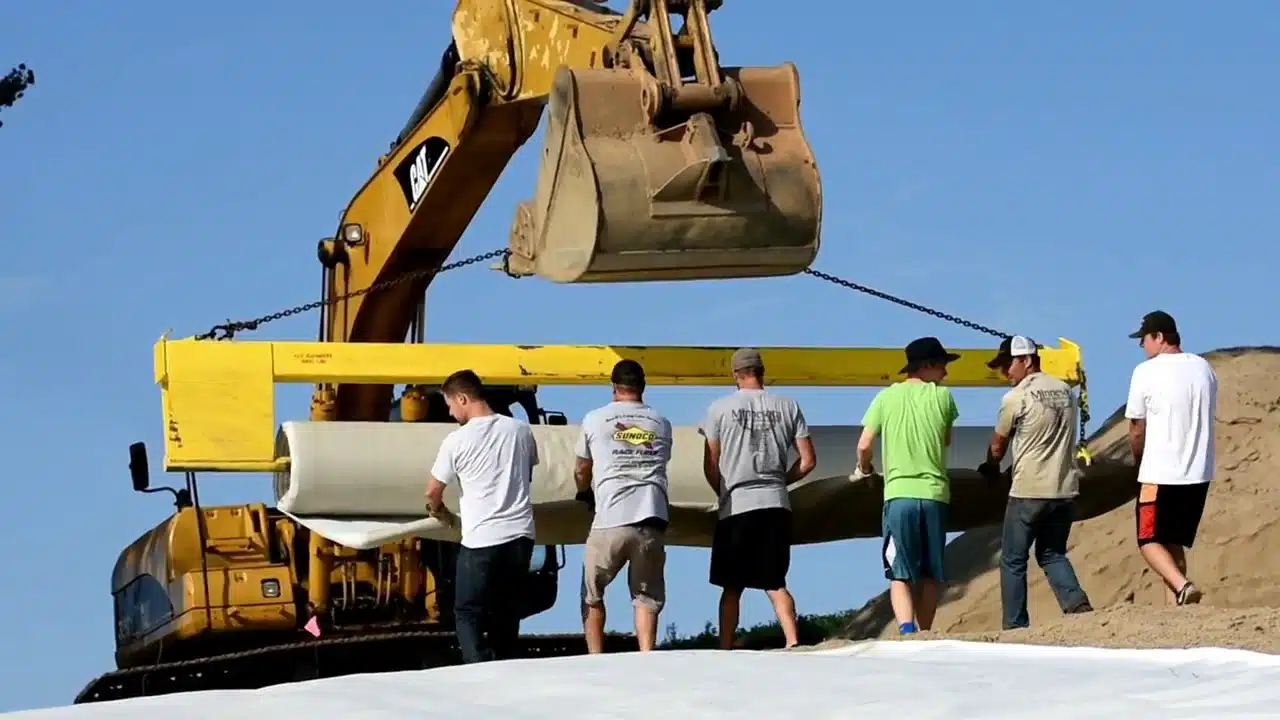
Geosynthetic clay liners are versatile, serving a myriad of applications across environmental and engineering fields. Their primary use is as a barrier to prevent the migration of liquids and gases in landfills, mining operations, and water treatment facilities, specifically to limit seepage from tailings impoundments and to cover solid waste disposal landfills. Additionally, GCLs are employed in the construction of caps for closed landfills, in secondary containment for hazardous materials, and in the protection of groundwater from contamination. Beyond these applications, they play a crucial role in civil engineering projects like roadways, railways, and dams, where their soil stabilization and water barrier properties are critical for maintaining structural integrity and environmental safeguards.
What are the advantages of geosynthetic clay liners?
The advantages of geosynthetic clay liners are manifold, making them a preferred choice for environmental containment solutions. Key benefits include:
- Impermeability: The high swelling capacity of bentonite clay offers exceptional sealing capabilities, effectively blocking the passage of fluids.
- Ease of Installation: GCLs are lightweight and easy to deploy, significantly reducing installation time and costs compared to traditional clay liners.
- Durability: Engineered to resist chemical and biological degradation, GCLs maintain their integrity over long periods, even under harsh environmental conditions.
- Environmental Protection: GCLs provide a sustainable solution for protecting soil and groundwater from pollutants, aligning with global environmental conservation efforts.
- Versatility: Suitable for a wide range of applications, from landfill liners to water containment in hydraulic projects.
Geosynthetic clay liner manufacturers are at the forefront of developing innovative solutions that balance engineering demands with environmental stewardship. By understanding the makeup, thickness, applications, and advantages of GCLs, stakeholders can better appreciate the value these liners bring to infrastructure projects and environmental protection initiatives. As technology and materials science advance, the role of GCLs in safeguarding our planet’s natural resources is set to expand, underscoring the importance of continued research and development in this critical field.


Comments
Post a Comment