Efficient Water Management with Geocomposite Drainage Systems
In the realm of civil engineering and landscape architecture, efficient water management is crucial for sustainability and structural integrity. The geocomposite drainage system emerges as a pivotal solution, marrying the benefits of geotechnical engineering with composite materials to offer unparalleled drainage and filtration capabilities. This popular science article delves into the intricacies of geocomposite drainage system installation, presenting a comprehensive guide that illuminates its significance, installation nuances, and the far-reaching implications for environmental management and construction projects.
What is a Geocomposite Drainage System?
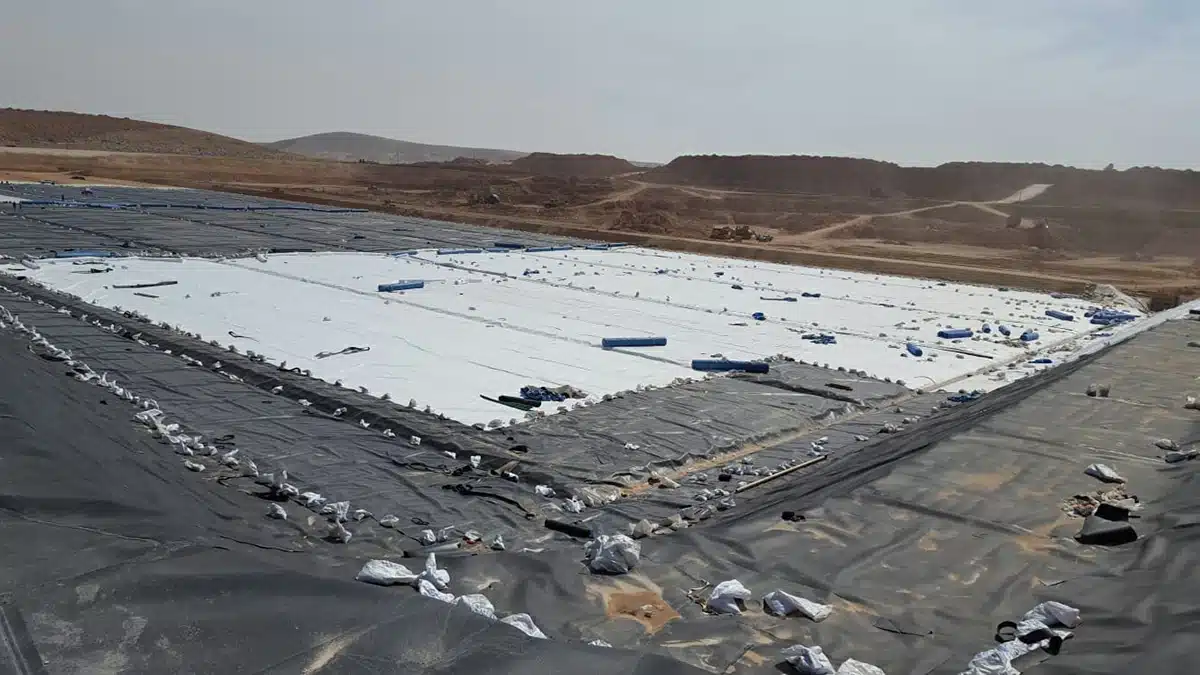
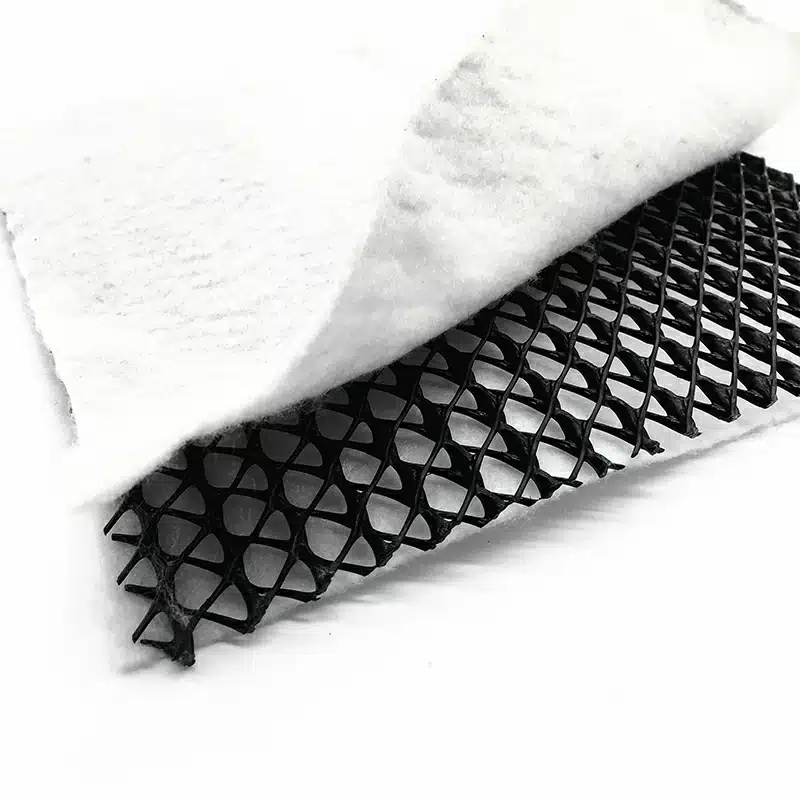
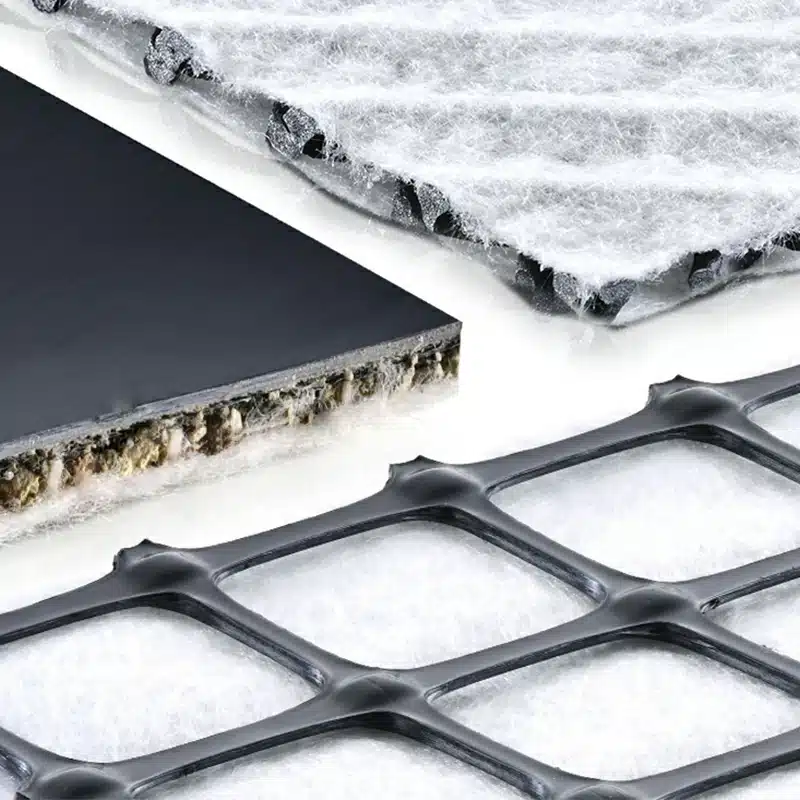
A geocomposite drainage system is a multifaceted solution designed to address complex drainage and filtration challenges in various construction and environmental projects. It typically combines layers of geotextiles and geonets, creating a pathway for water to be efficiently collected and conveyed away from structures, landscapes, and critical areas. This system is favored for its versatility, high performance, and cost-effectiveness, offering a sustainable alternative to traditional drainage solutions like stone or gravel layers.
Why is the Geocomposite Drainage System Installation Considered Essential in Modern Construction?
The installation of geocomposite drainage systems is deemed essential for several reasons. Firstly, it plays a critical role in preventing water accumulation and mitigating the risks associated with hydrostatic pressure on structures, such as basements, retaining walls, and landfills. Secondly, it promotes environmental sustainability by protecting soil from erosion and reducing the need for natural aggregate resources. Furthermore, its lightweight and flexible nature makes it easy to install, leading to reduced labor costs and project timelines.
What are the Key Steps Involved in Installing a Geocomposite Drainage System?
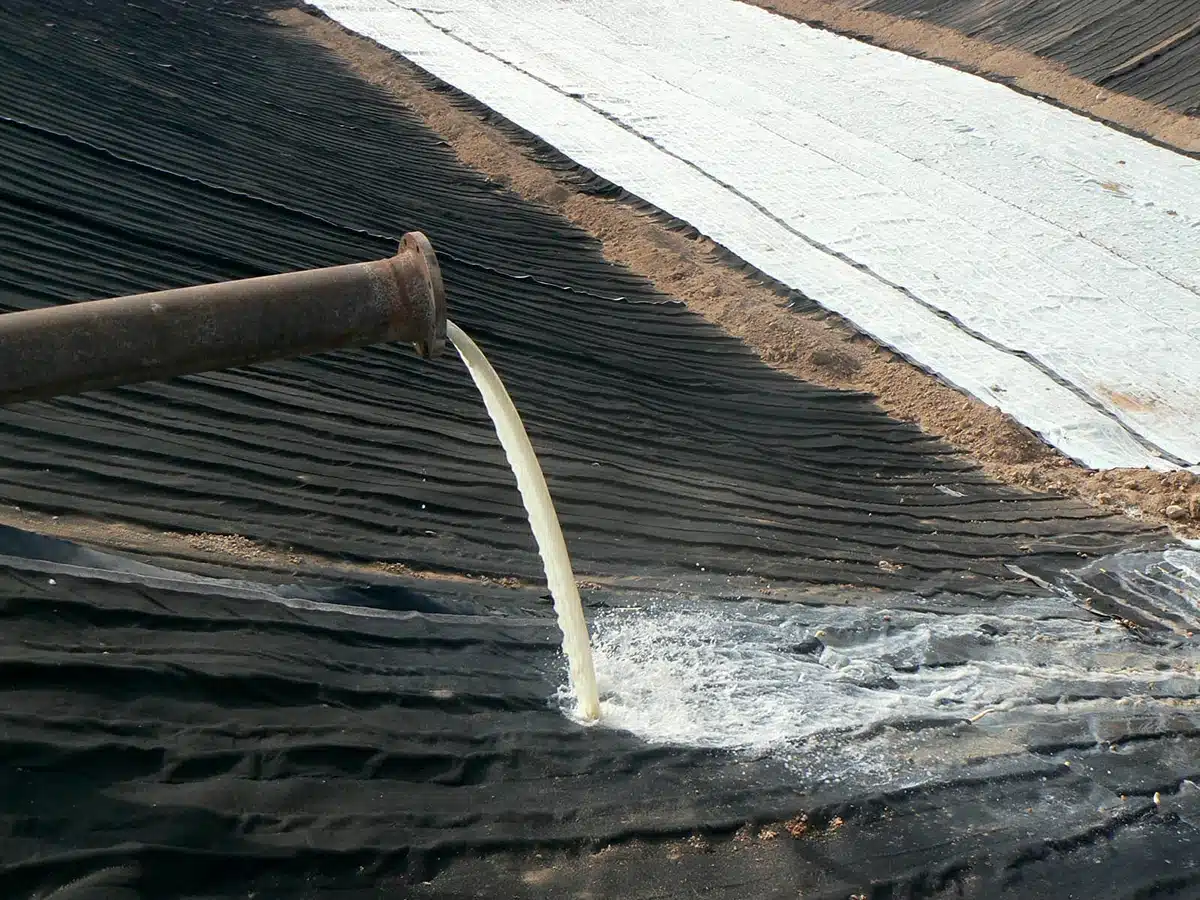
Installing a geocomposite drainage system involves several key steps to ensure its effectiveness and longevity. Initially, the site must be carefully prepared, which includes excavating to the required depth and ensuring a stable, level base. The geocomposite material is then rolled out and cut to size, carefully overlapped at the seams to prevent leakage. Proper connection to a suitable outlet is crucial for water conveyance. Lastly, protecting the system with a layer of soil or another geotextile layer is essential to prevent clogging and damage.
What are the Challenges and Considerations in the Installation Process?
土工复合材料排水系统的安装虽然有利,但也带来了一定的挑战和考虑。其中的关键是选择适当类型的土工复合材料,因为不同的项目可能需要特定的性能以获得最佳性能。系统的设计还必须考虑预期的水量,确保足够的排水能力。此外,安装过程中必须小心处理,以避免损坏材料,从而损害其有效性。
土工复合排水系统的安装代表了建筑和环境项目中水管理和可持续实践的飞跃。它的采用不仅解决了水破坏和水土流失的紧迫问题,而且还有助于实现生态保护和资源效率的更广泛目标。通过了解土工复合排水系统安装的要点,利益相关者可以充分利用这项创新技术的潜力,为发展与自然和谐共存的未来铺平道路。



Comments
Post a Comment