Advancing Infrastructure: How Geonet Compression Tests Shape Construction
In the realm of civil engineering and construction, the quest for materials that combine durability, efficiency, and cost-effectiveness is unending. Among the myriad of innovations that have emerged, geonets hold a pivotal place, especially in applications related to drainage and erosion control. The geonet compression test, a crucial assessment method, plays a vital role in determining the suitability and performance of geonets in various environmental conditions. This article delves into the significance of this test, offering insights into how it’s conducted, its importance, and the implications of its results for construction and environmental projects.

What is a Geonet Compression Test?
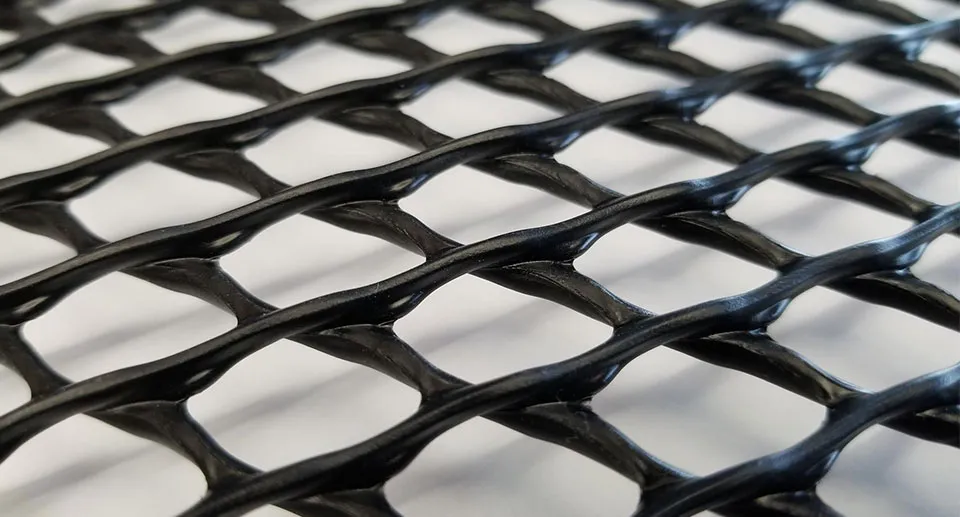
The geonet compression test is a specialized procedure designed to evaluate the compressive behavior of geonets, which are synthetic drainage materials used in civil engineering projects. This test measures the reduction in thickness of a geonet under a specific load over a given period. Conducted under controlled conditions, it provides essential data on the material’s capacity to maintain effective drainage space and structural integrity under pressure, mimicking real-world conditions where geonets are subjected to loads from soil, waste materials, or other overlying layers.
How is the Geonet Compression Test Performed?
The procedure involves placing a geonet sample between two rigid plates in a compression testing machine. The sample is then subjected to a predetermined load, which is typically representative of the conditions the geonet would face in actual use. The thickness of the geonet is measured before and after the application of the load, with the test often running for an extended period to simulate long-term conditions. The data collected from this process helps in assessing the material’s performance and durability.
Why is the Geonet Compression Test Important?
This test is critical for several reasons. Firstly, it ensures that the geonet meets the required specifications for strength and durability before being deployed in a project. Secondly, the results guide engineers in selecting the appropriate material for specific applications, considering factors like soil pressure and environmental conditions. Lastly, understanding the compressive behavior of geonets helps in predicting their lifespan and effectiveness in drainage and erosion control applications, ensuring safety and sustainability in construction projects.
What are the Implications of Geonet Compression Test Results?
土工网压缩测试的结果对建筑和环境项目的设计和执行具有重大影响。该测试中的高性能表明土工网具有抵抗压缩并在重负载下保持功能的能力,使其适合用于垃圾填埋场、道路建设和侵蚀控制。相反,性能不佳的土工网可能需要额外的考虑,例如分层或替换,以确保项目的完整性和寿命。
土工网压缩测试是土工合成材料评估的基石,为了解其抗压强度和耐久性提供了宝贵的见解。通过此测试严格评估土工网,工程师可以做出明智的决策,确保所选材料符合最高的性能和安全标准。随着建筑和环境领域的不断发展,此类测试在推进材料科学和工程方面的作用变得越来越重要,为更具弹性和可持续的基础设施铺平了道路。




Comments
Post a Comment