Unveiling the Strength of Geosynthetics: A Deep Dive into Their Reinforcement Capabilities
In the realm of civil engineering and construction, the term “geosynthetic strain” often surfaces, highlighting the critical role these materials play in reinforcing, protecting, and enhancing the durability of infrastructure projects. Geosynthetics, a broad category encompassing various synthetic products used in geotechnical engineering and construction, is pivotal in addressing challenges such as soil stabilization, erosion control, and drainage. This article aims to demystify the concept of geosynthetic reinforcement by exploring its definition and examining the pull-out resistance, tensile strength, and grab tensile strength of these innovative materials.
What is Geosynthetic Reinforcement?
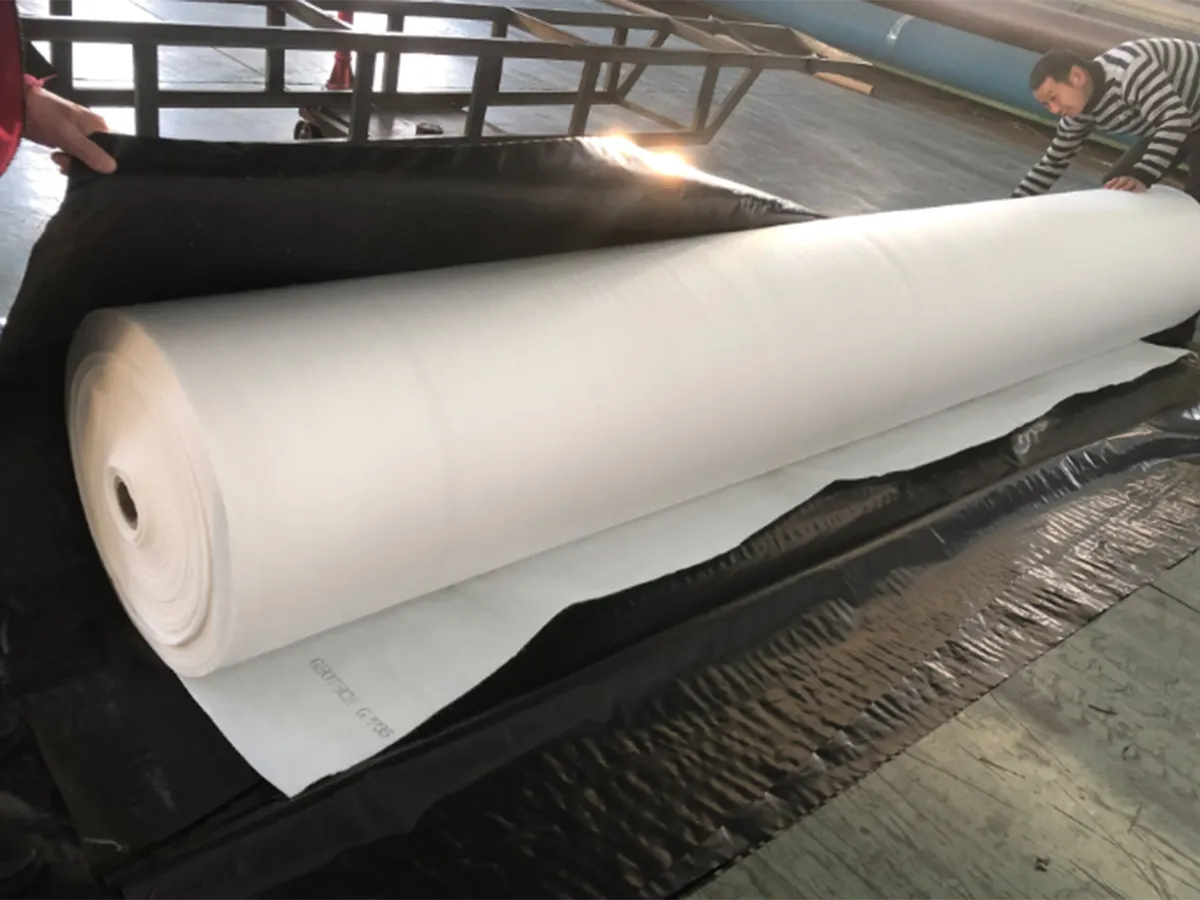
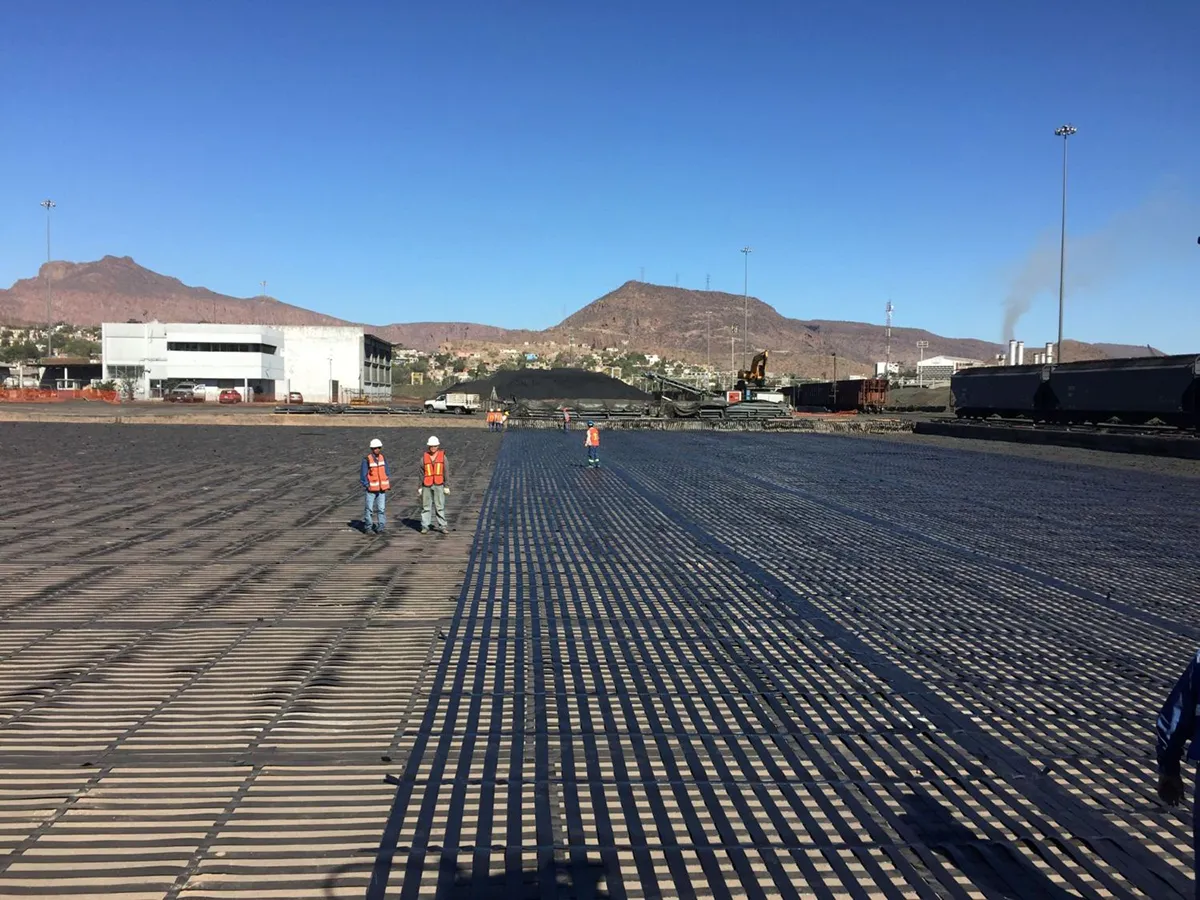
Geosynthetic reinforcement refers to the application of geosynthetic materials—such as geotextiles, geogrids, geomembranes, and geofoams—to improve the mechanical properties of soil and other construction materials. This process notably extends past the theoretical failure plane and serves to create a large rectangular mass of block and soil, restraining the retained soil. Such a strategic approach enhances the load-bearing capacity, stability, and longevity of civil engineering structures like roads, retaining walls, and embankments. By distributing loads more evenly and reducing stress on underlying soils, geosynthetics prevent deformation and failure, making them indispensable in modern construction.
What is the Pull-Out Resistance of Geosynthetics?
Pull-out resistance is a critical property of geosynthetics, especially in applications involving soil reinforcement. It measures the ability of a geosynthetic material to resist the force that tries to pull it out from a soil mass, akin to the resistance a nail has when being pulled from wood. This resistance is not only crucial for the stability of reinforced soil structures but is also composed of skin friction on the surface of the geogrid ribs (frictional resistance) and bearing resistance mobilized against the transverse members (passive resistance), ensuring that the geosynthetic stays in place under load. The pull-out resistance depends on factors such as the type of geosynthetic, the properties of the soil, the interaction between the soil and the geosynthetic, and the method of installation.
What is the Tensile Strength of Geosynthetics?
Tensile strength refers to the maximum stress a geosynthetic material can withstand while being stretched before it breaks. It is a fundamental property that determines the material’s ability to handle loads and stresses. The tensile strength of geosynthetics varies widely among different types, with some designed to withstand high levels of tension for applications like soil reinforcement, while others may have lower tensile strength suitable for separation or filtration purposes. Understanding the tensile strength of a geosynthetic is essential for selecting the right material for specific engineering applications.
What is the Grab Tensile Strength of Geotextile?
Grab tensile strength is a specific measure of tensile strength for geotextiles, one of the categories of geosynthetics. It is determined by testing a small, standard-sized sample of the geotextile material using a grab test method, where the material is clamped at two opposite ends and pulled until it breaks. This test simulates the localized stress and strain that geotextiles might experience in real-world applications, providing a realistic measure of their strength and durability. The grab tensile strength is crucial for assessing the performance of geotextiles in various construction and engineering projects.
Geosynthetics play a pivotal role in modern construction and civil engineering, offering solutions to enhance the mechanical properties of soils and other materials. Understanding the nuances of geosynthetic reinforcement, including the pull-out resistance, tensile strength, and grab tensile strength, is essential for selecting the appropriate materials for specific applications. These properties ensure that geosynthetics can effectively distribute loads, improve stability, and extend the lifespan of infrastructure projects, making them invaluable in the construction industry. As we continue to push the boundaries of engineering and construction, the innovative use of geosynthetics will undoubtedly remain at the forefront of developing sustainable, durable, and efficient structures.




Comments
Post a Comment