Unveiling the Best Geogrid for Your Driveway: A Comprehensive Guide
When it comes to constructing a durable and long-lasting driveway, the foundation is key. Among the myriad of options available for driveway reinforcement, geogrids have emerged as a leading solution. This popular science article delves into the essence of geogrids for driveways, evaluating their benefits, and identifying the best geogrid options to ensure your driveway stands the test of time.
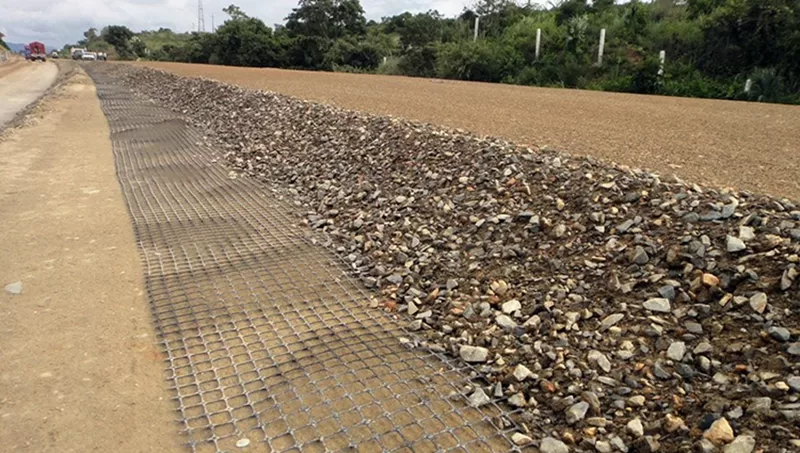
What is a Geogrid Driveway?
A geogrid driveway incorporates a geosynthetic material, known as a geogrid, embedded within or beneath the driveway surface, making it the ideal product for reinforcing paved or gravel driveways. Geogrids are mesh-like structures made from polymers such as polypropylene or polyester. They are specifically designed to reinforce the soil beneath the driveway, distributing loads evenly and significantly reducing the risk of rutting, sinking, or cracking. By effectively interlocking with soil or aggregate, geogrids establish a more stable and durable surface, ensuring it can withstand heavy vehicular traffic.
What is the Best Geogrid for a Driveway?
The best geogrid for a driveway depends on several factors, including soil type, climate, expected load, and environmental considerations. However, biaxial geogrids, which offer strength in two directions, are often recommended for driveways due to their versatility and effectiveness in stabilizing both soft soils and aggregates. High-quality polypropylene geogrids, as well as the eco-friendly Recycled Plastic Gravel Grid, are also favored for their durability, resistance to environmental degradation, and ease of installation. Ultimately, selecting a geogrid, whether it’s a traditional polypropylene option or a Recycled Plastic Gravel Grid, should involve consulting with professionals to match the product’s specifications with the specific needs of your driveway project.
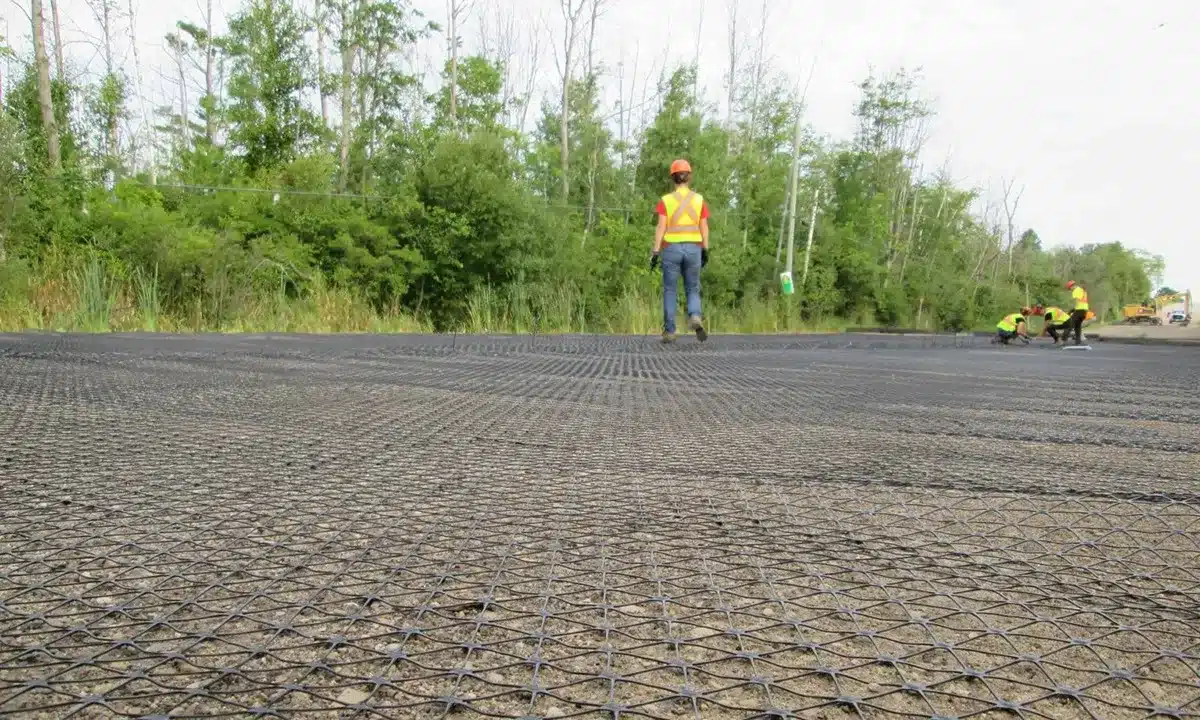
Is GeoGrid Good for Driveways?
Absolutely. Geogrids are highly beneficial for driveways for several reasons, making them perfect for driveway installations on slopes and/or flat areas. Firstly, they enhance load distribution, preventing common issues like rutting and potholes. This is particularly important in areas with soft soils or heavy rainfall, where the ground is more prone to shifting and settling. Secondly, geogrids extend the lifespan of a driveway by providing a stable foundation that reduces the need for frequent repairs. Additionally, they can contribute to better drainage, reducing the risk of water damage to the driveway surface.
Are Driveway Grids Worth It?
Investing in driveway grids is often considered worth it for homeowners seeking a long-term solution to driveway maintenance issues. While the initial cost may be higher compared to traditional driveway construction methods, the long-term savings on repairs and replacements can be significant. Moreover, by integrating driveway grids, they provide even greater stability whilst maintaining a high standard of finish for much of the driveway’s lifespan, effectively preventing surface irregularities and promoting a smoother finish. Considering their durability, environmental benefits, and potential to increase property value, driveway grids represent a wise investment for many property owners.
Geogrids have revolutionized driveway construction, offering a robust solution to common issues such as cracking, rutting, and sinking. By understanding what geogrids are, identifying the best type for specific needs, and recognizing their benefits, homeowners can make informed decisions about reinforcing their driveways. The consensus among experts is clear: investing in the best geogrid for your driveway not only enhances its durability and appearance but also proves to be a cost-effective choice in the long run. Whether you’re planning a new driveway or looking to upgrade an existing one, considering a geogrid could be the key to achieving both aesthetic and functional excellence.


Comments
Post a Comment