The Green Revolution: How Vegetated Geocells Are Shaping Our Future Landscapes
The integration of vegetation with advanced geocell technology marks a significant leap forward in sustainable landscape engineering. Vegetated geocells are not just a solution to soil erosion and instability; they are a testament to the harmonious balance we can achieve between construction and nature. This article explores the innovative world of vegetated geocells, shedding light on their material composition, purpose, benefits, and their pivotal role in promoting environmental sustainability.
What Exactly Are Vegetated Geocells?
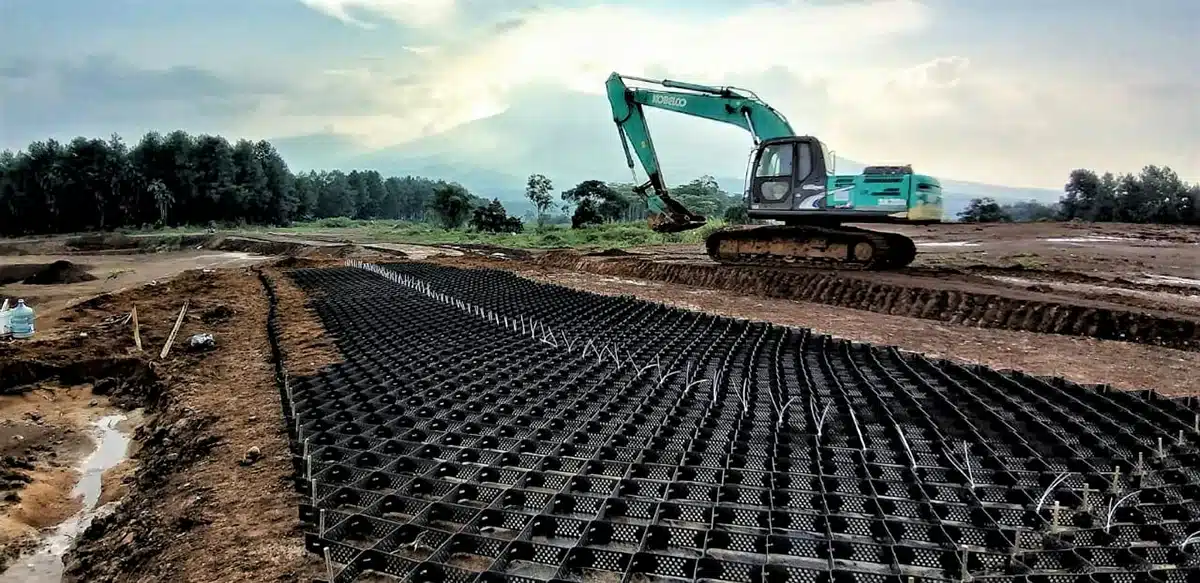
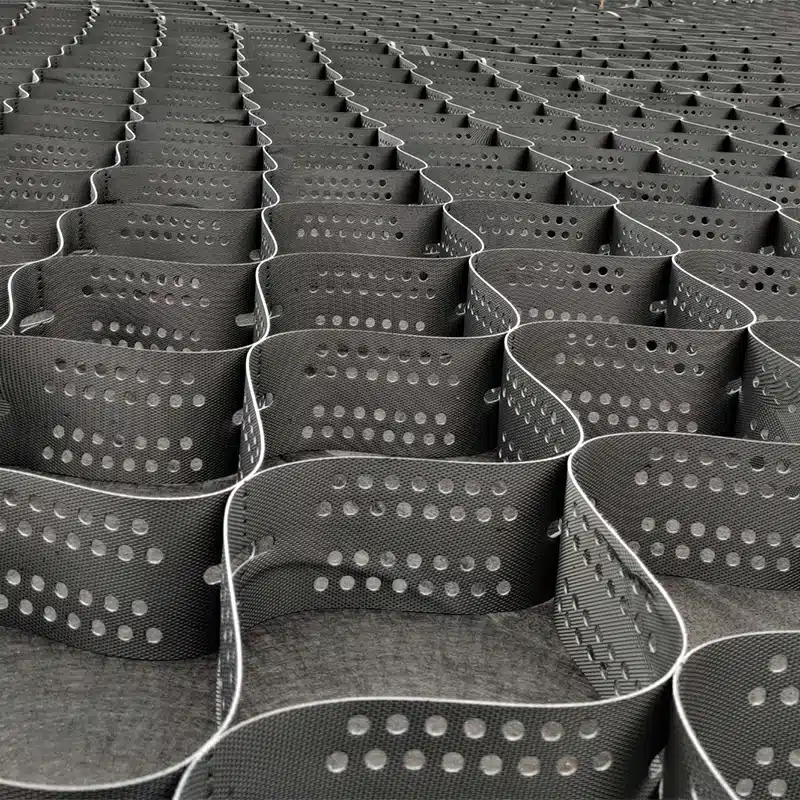
Vegetated geocells are advanced three-dimensional honeycomb-like structures made from lightweight and durable polymer materials, designed to hold soil and vegetation. This innovative technology combines the engineering strength of geocells with the ecological benefits of vegetation, creating a stable and sustainable environment for plant growth. By filling these cellular structures with soil and seeding them with plants, we can prevent soil erosion, enhance landscape aesthetics, and promote biodiversity.
Why Are Vegetated Geocells So Important?
The importance of vegetated geocells lies in their dual functionality: they offer superior soil stabilization while also enhancing green space and ecological habitats. In areas prone to erosion, such as slopes and embankments, vegetated geocells provide a protective layer that prevents soil displacement, supporting plant growth and root system development. This not only stabilizes the soil but also contributes to a healthier ecosystem by improving air and water quality, reducing carbon footprint, and increasing wildlife habitats.
What Makes the Material of Vegetated Geocells Unique?
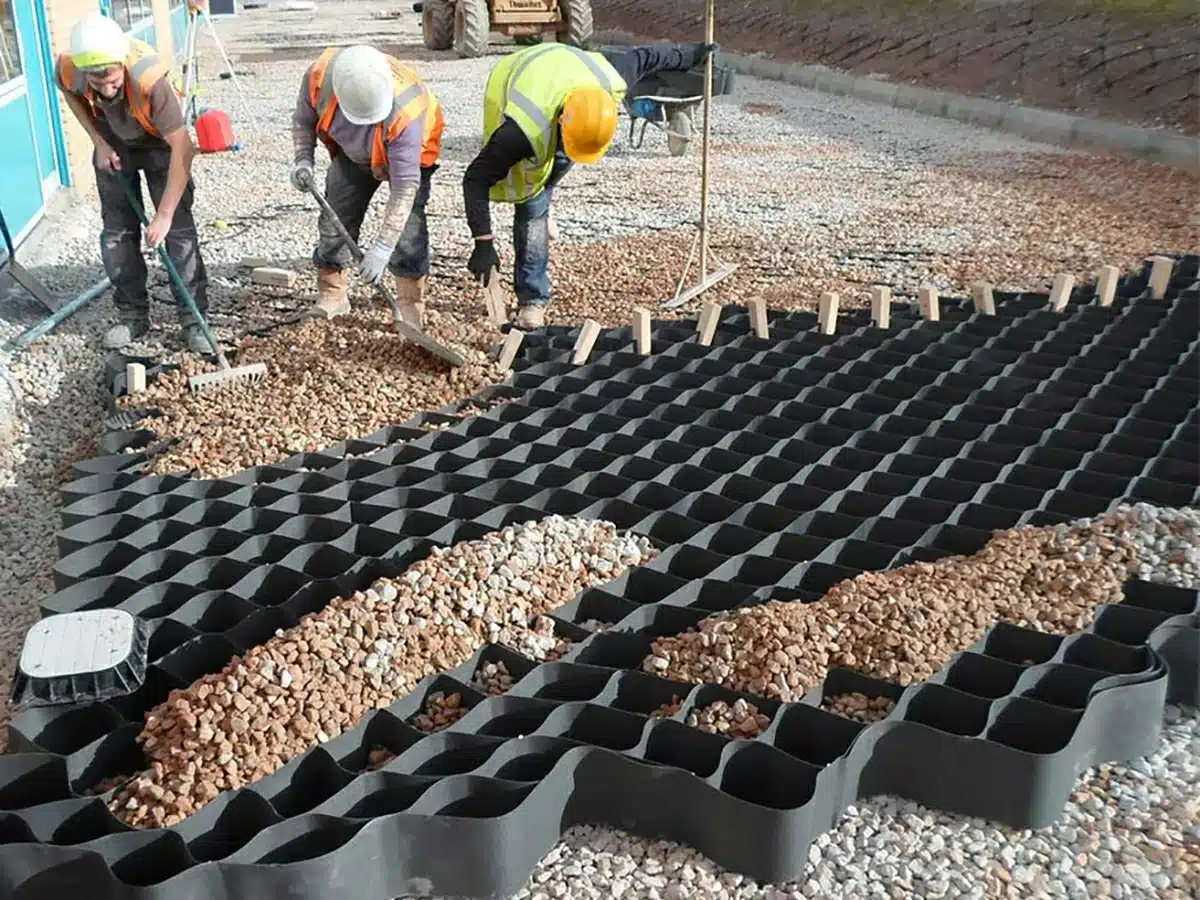
The material used in vegetated geocells is typically high-density polyethylene (HDPE) or other polymer variants known for their durability, flexibility, and environmental resistance. These materials are engineered to withstand harsh weather conditions, chemical degradation, and physical wear and tear, ensuring a long service life. Additionally, the permeable nature of geocells allows for efficient water drainage and air circulation, crucial for healthy plant growth. The choice of material also reflects a commitment to sustainability, often being recyclable and having a minimal environmental footprint.
How Do Vegetated Geocells Contribute to Sustainable Development?
Vegetated geocells contribute to sustainable development by offering a green solution to common engineering challenges. They reduce the need for traditional, often non-sustainable, construction materials like concrete and asphalt, minimizing habitat disruption and pollution. By promoting vegetation growth, they enhance carbon sequestration, support biodiversity, and provide natural insulation and cooling effects in urban areas. Furthermore, their application in rainwater management and erosion control plays a critical role in preserving natural water cycles and soil quality.
Vegetated geocells represent a forward-thinking approach to landscape engineering, blending the robustness of geocell technology with the ecological benefits of vegetation. This innovative solution addresses the pressing need for soil stabilization and erosion control while promoting environmental sustainability and biodiversity. As we delve into the specifics of what vegetated geocells are, their importance, the uniqueness of their material, and their contribution to sustainable development, it becomes clear that they are more than just a construction material; they are a key component in the future of green infrastructure and landscape design. By embracing vegetated geocells, we pave the way for a more sustainable and ecologically balanced world.


Comments
Post a Comment