Mastering ASTM Tests: Ensuring Geotextile Durability & Functionality
在土木工程和建筑领域,土工合成材料已成为关键材料,可提高各种项目的耐用性和可持续性。这些合成产品用于地质和环境应用,范围从稳定和过滤到排水和屏障功能。确保其质量和性能至关重要,这正是 ASTM 国际标准发挥作用的地方。本文深入研究了针对土工合成材料的 ASTM 标准,阐明了其重要性以及旨在评估这些创新材料的质量和功能的测试。
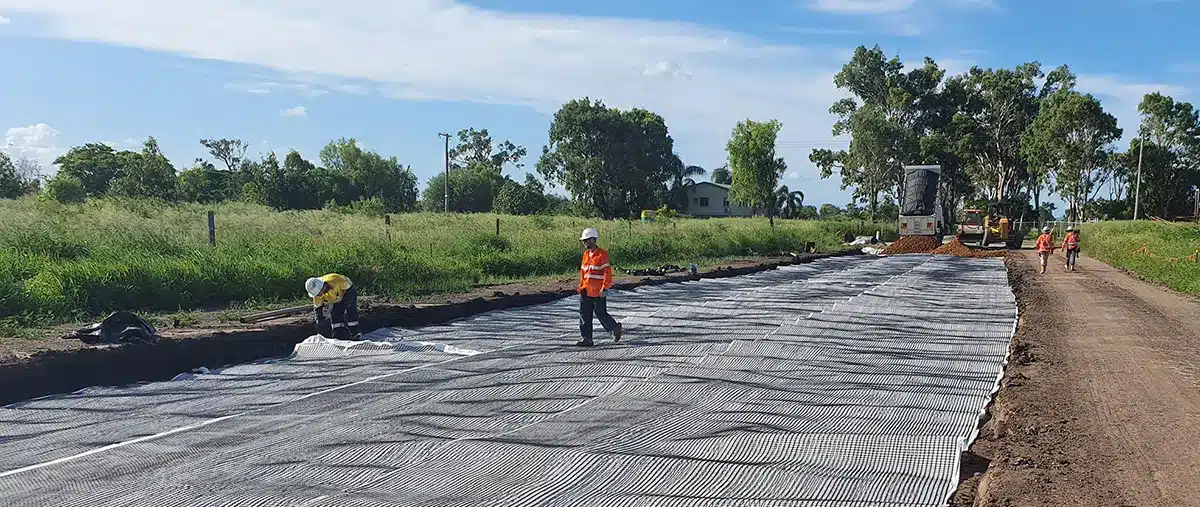
土工织物的 ASTM 标准是什么?
ASTM International 前身为美国测试与材料协会,制定全球公认的标准,以确保产品和服务的质量、安全和效率。对于土工织物,ASTM 标准涵盖了一系列旨在评估其物理、机械和水力性能的测试和规范。这些标准确保土工织物满足其预期应用的必要标准,无论是用于土壤过滤、道路建设、侵蚀控制还是任何其他用途。土工织物的主要 ASTM 标准包括用于耐久性的 ASTM D4355、用于透水性的 ASTM D4491 和用于抓握拉伸强度的 ASTM D4632 等。
什么是土工合成材料的拉拔试验?
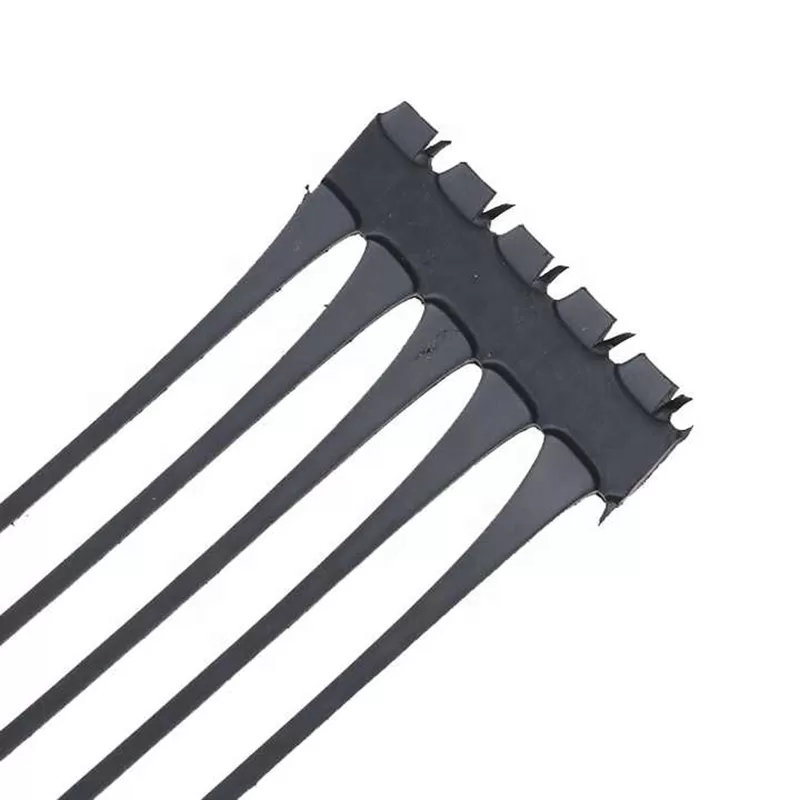
拉拔测试受 ASTM D6706 管辖,是对土工合成材料(尤其是加固应用中使用的土工合成材料)的一项关键评估。该测试通常用于评估土工合成材料的锚固或拉拔能力,测量土工合成材料在受控条件下从土体中拉出的阻力。它模拟材料在现实应用(例如挡土墙或路堤)中加固土壤时会遇到的力和应力。该测试的结果有助于工程师和设计师了解土工合成材料与土壤之间的相互作用特征,这对于确保建筑项目的稳定性和寿命至关重要。
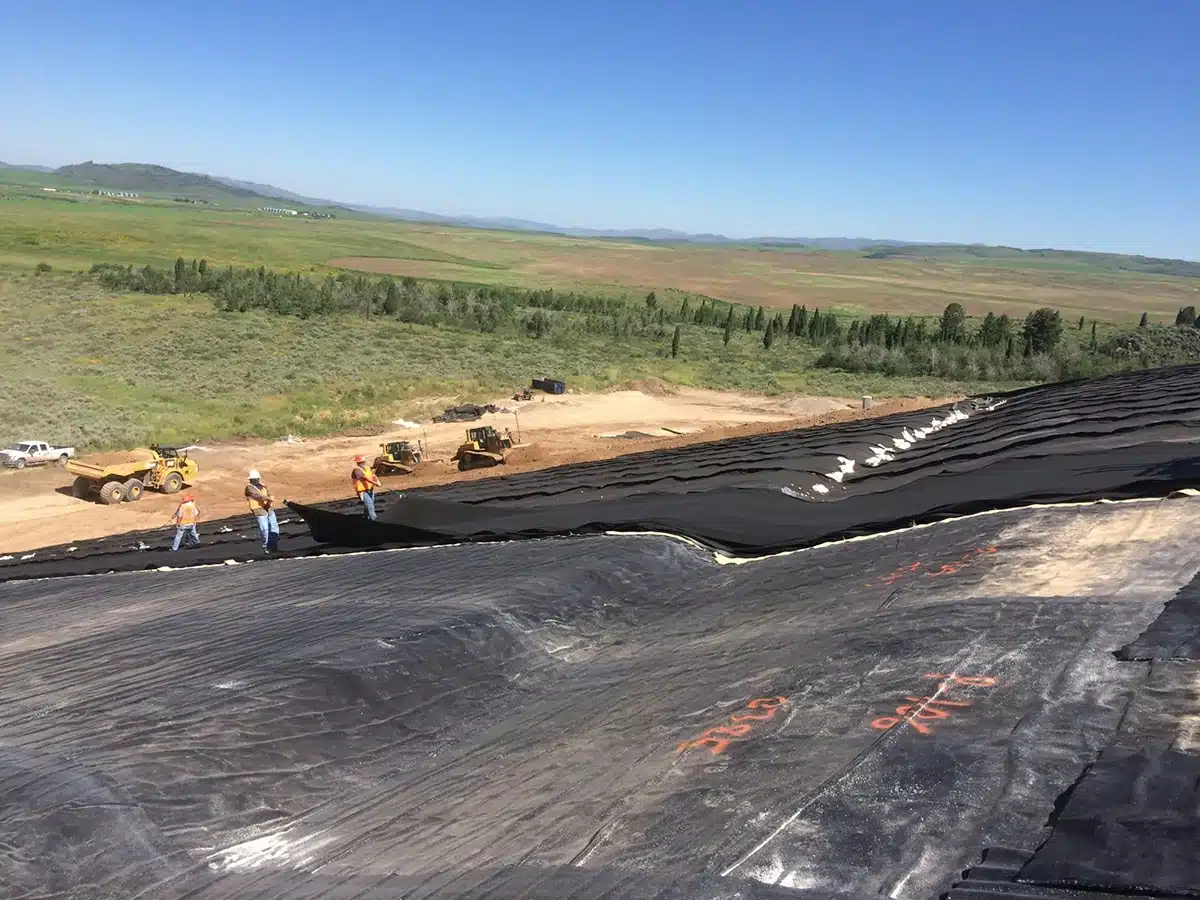
什么是土工布抓举拉伸试验?
ASTM D4632 规定的抓斗拉伸试验是测定土工织物拉伸强度的标准方法,也是适用于所有应用的出色施工质量控制方法。该测试包括用两个夹子夹住材料并将其拉动直至其断裂,以测量使样品破裂所需的力。抓斗拉伸试验对于评估土工布在拉力下的强度和耐久性至关重要,为材料选择和设计目的提供有价值的数据。它有助于预测土工织物在需要抵抗机械应力的应用中的表现如何,例如道路建设、侵蚀控制和稳定项目。
测量土工合成材料标称厚度的标准测试方法是什么?
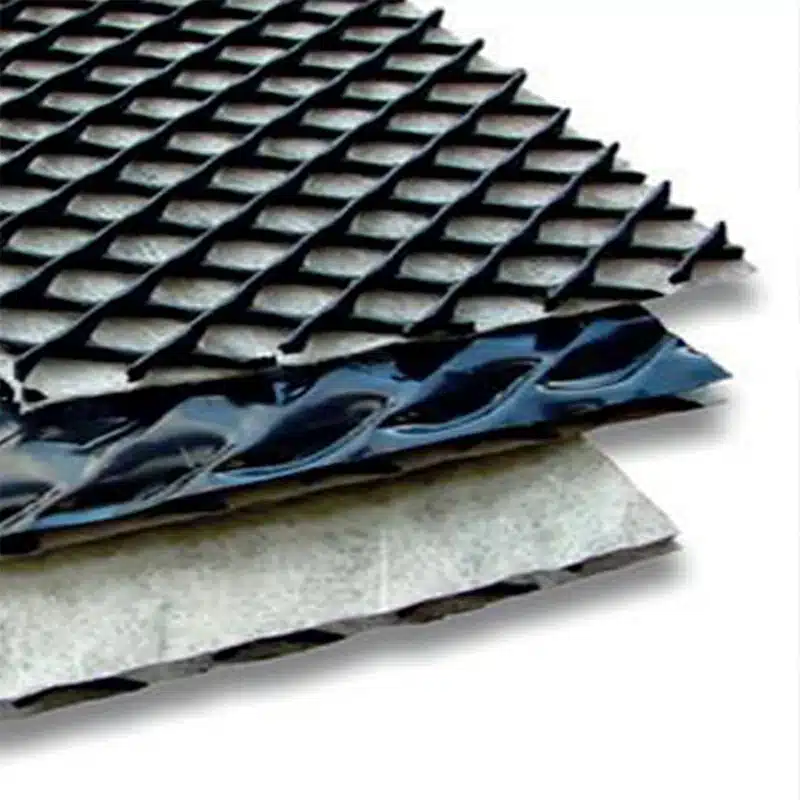
Measuring the nominal thickness of geosynthetics is crucial for assessing their quality and suitability for specific applications. ASTM D5199 is the standard test method for this purpose, involving observing the perpendicular distance that a movable plane is displaced from a parallel surface by the geotextile or geomembrane material while under a specified pressure. This precise approach uses a specified pressure to compress the geosynthetic material and measures its thickness with a gauge. This test provides a uniform basis for comparing the thickness of different geosynthetic materials, which can be an important factor in their performance, particularly in applications where filtration, separation, or barrier properties are critical.
ASTM standards play a fundamental role in ensuring the quality and performance of geosynthetics in various engineering and construction applications. From the pull-out and grab tensile tests to measuring nominal thickness, these standards provide a framework for assessing the suitability and durability of geosynthetic materials. Understanding and adhering to these standards is essential for engineers, designers, and manufacturers alike to ensure that the geosynthetics used in projects meet the highest quality and safety criteria, ultimately contributing to the success and longevity of construction endeavors.


Comments
Post a Comment