Harnessing Geonets: Revolutionizing Subsurface Water Flow Management
In the intricate world of environmental engineering and hydrology, understanding the dynamics of water flow beneath our feet is crucial for sustainable development and conservation efforts. Among the myriad of technologies and materials employed to manage this flow, geonets have emerged as a silent yet powerful ally. This article delves into the properties and functions of geonets, shedding light on their role in directing water flow beneath the earth’s surface. By exploring how these synthetic drainage materials work, we can appreciate their significance in various applications, from landfill liners to erosion control in construction projects.
What are the properties of geonet?
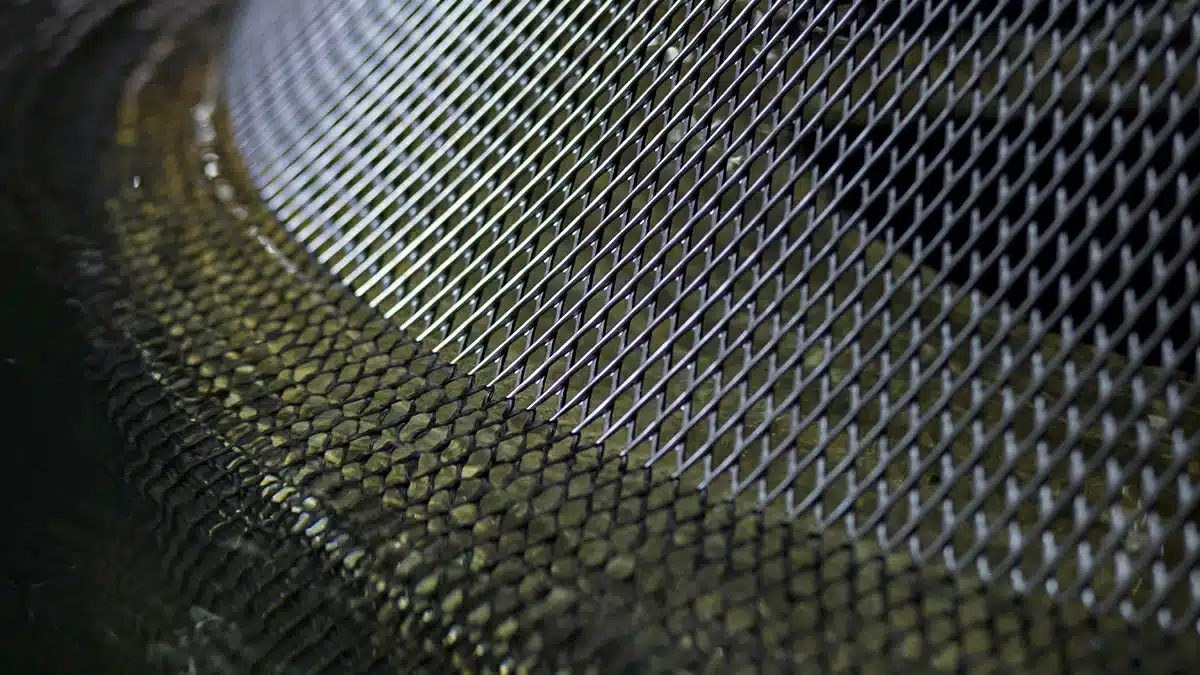
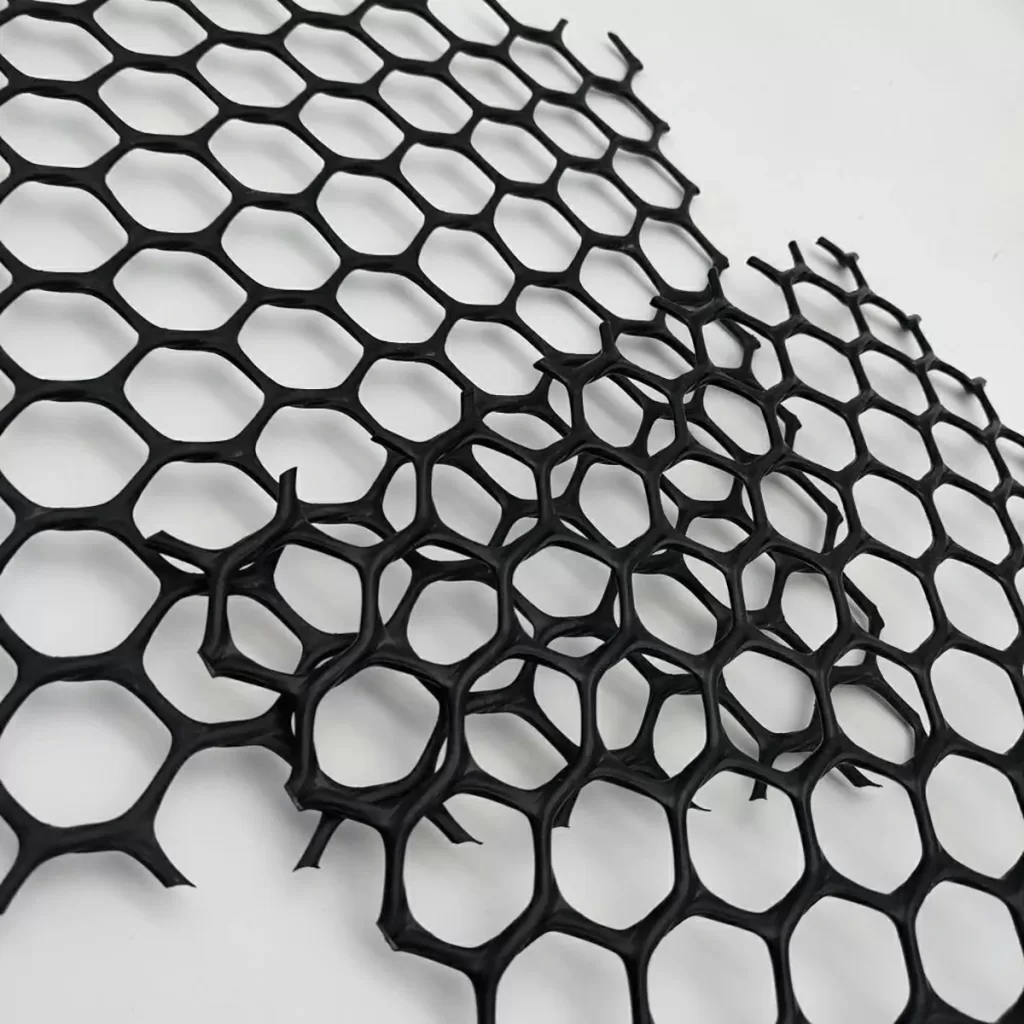
Geonets are synthetic drainage materials, typically made from high-density polyethylene (HDPE) or other polymers, designed to facilitate fluid and gas movement within the soil. Their structure is made up of parallel sets of ribs that are connected, creating a three-dimensional bi-planar core. This unique construction allows for efficient water flow, even under high pressures and low gradients, making them ideal for various applications. Furthermore, geonets are highly durable and resistant to chemicals, which makes them suitable for use in harsh environmental conditions. The combination of their open, net-like structure and the robustness provided by their ribbed core also ensures excellent mechanical strength. This means they can maintain their structure and functionality under heavy loads, such as in landfill covers or beneath roadways, highlighting their versatility and reliability in critical engineering projects.
What is the function of geonet?
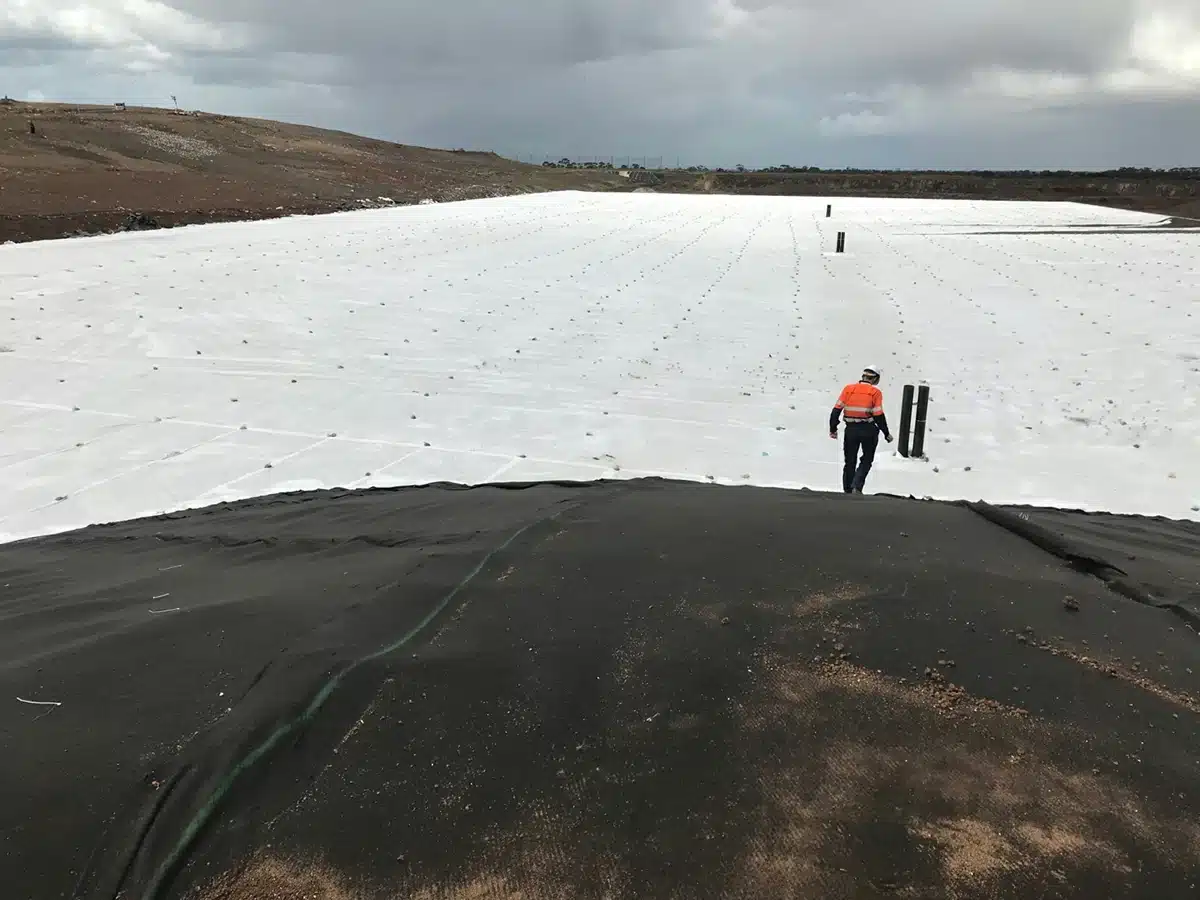
The primary function of geonet is to provide efficient drainage and gas venting in various geotechnical and environmental engineering applications. By creating a pathway for water and gases to flow, geonets help prevent the build-up of hydrostatic pressure and facilitate the removal of liquids and gases from soil or waste materials. Additionally, as soil stabilizers, they play a crucial role in preventing erosion and ensuring the safety of slopes and embankments. This is particularly important in preventing waterlogging, reducing erosion risk, and managing leachate in landfill sites. Furthermore, in civil engineering projects, geonets are employed not only to enhance soil stability but also to prevent the deterioration of infrastructure by efficiently managing sub-surface water flow, thereby safeguarding the longevity and integrity of these structures.
How does geonet water flow direction influence environmental and construction projects?
土工网系统内的水流方向对于排水的有效性以及建筑和环境项目的稳定性起着关键作用。正确设计的土工网系统可确保水被引导远离可能造成损坏或不稳定的区域,例如建筑地基、斜坡和垃圾填埋场衬垫。通过控制水流方向,土工网有助于最大限度地减少侵蚀,降低洪水风险,并防止对周围土地和水体的污染。在湿地恢复或采矿复垦等环境项目中,受控的水流方向对于项目的成功至关重要,确保以支持项目生态目标的方式分配或去除水。
实施土工网系统面临哪些挑战和考虑因素?
实施土工网系统涉及多项挑战和考虑因素。主要关注点之一是正确的设计和安装,以确保水流方向满足项目的要求。这涉及详细的场地分析、水文研究和工程设计,以防止系统故障。另一个挑战是潜在的堵塞,这会降低土工网系统的效率。需要定期维护和监控来解决这个问题。此外,必须考虑使用 HDPE 等合成材料对环境的影响,包括潜在的污染以及在土工网生命周期结束时采用可持续处置方法的需要。
土工网在管理地表下的水流方向方面发挥着至关重要的作用,为环境和建筑项目中的排水和排气挑战提供了强大的解决方案。它们独特的性能,如高耐用性、耐化学性和高效的导水性,使其在现代工程应用中不可或缺。然而,土工网系统的成功实施需要仔细的规划、设计和维护,以克服挑战并确保其长期有效性。随着我们不断利用土工网的力量,它们对可持续发展和环境保护的贡献变得越来越明显,这使它们成为世界地下水管理战略的关键组成部分。


Comments
Post a Comment