Geomembrane Venting Solutions: Enhancing Waste Management
In the realm of environmental engineering and waste management, geomembrane venting systems represent a critical innovation. These systems, designed to safely release gases from beneath geomembranes in landfills, mining operations, and contaminated sites, play a pivotal role in protecting soil and groundwater from pollution. This article delves into the intricacies of geomembrane venting systems, exploring their design, functionality, benefits, and applications. By answering four key questions, we aim to shed light on how these systems contribute to sustainable environmental practices and the preservation of natural resources.

What are Geomembrane Venting Systems, and How Do They Work?
Geomembrane venting systems are engineered controls designed to manage and mitigate the accumulation of gases, such as methane and carbon dioxide, beneath geomembranes. Geomembranes are impermeable liners used widely in environmental engineering to contain or control the migration of contaminants. The venting systems typically consist of a series of pipes, vents, and sometimes fans, strategically placed between the geomembrane and the underlying material to collect and safely release gases into the atmosphere or capture them for treatment.
Why are Geomembrane Venting Systems Important?
The importance of geomembrane venting systems lies in their ability to prevent the buildup of harmful gases, which can pose significant risks to human health, the environment, and the structural integrity of the containment system itself. Methane, for example, is not only a potent greenhouse gas but can also be explosive under certain conditions. By allowing for the controlled release or capture of these gases, geomembrane venting systems reduce the risk of explosions, minimize environmental pollution, and contribute to the overall safety and effectiveness of waste containment strategies.
Where are Geomembrane Venting Systems Typically Used?
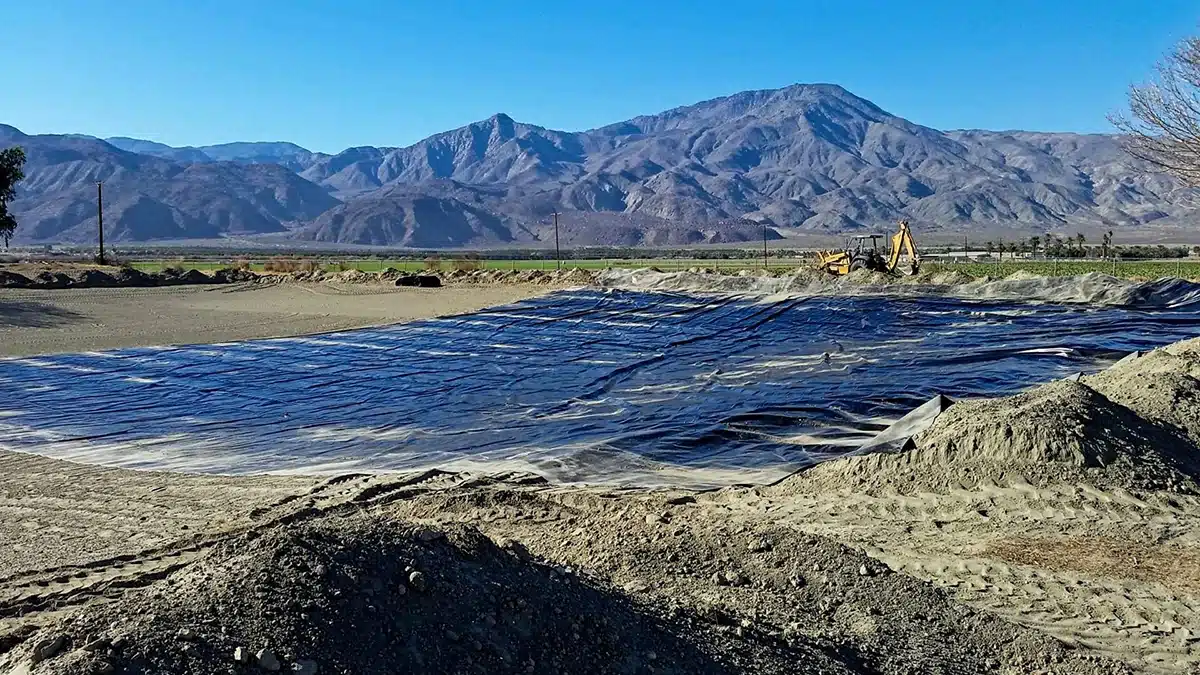
Geomembrane venting systems find their application in a variety of settings where gas accumulation is a concern. Landfills are perhaps the most common application, where decomposing organic waste generates significant amounts of methane. However, these systems are also crucial in the mining industry, where they vent gases from heap leach pads, and in the remediation of contaminated sites, where they prevent the buildup of volatile organic compounds. Additionally, geomembrane venting systems are used in agricultural applications, such as under animal waste containment areas, to manage methane emissions.
What are the Benefits of Implementing Geomembrane Venting Systems?
实施土工膜通风系统可带来许多好处,包括环境保护、安全性提高和法规遵从性。通过减少有害气体的释放,这些系统在减少温室气体排放和防止土壤和地下水污染方面发挥着至关重要的作用。它们还通过降低爆炸风险来帮助确保工人和附近社区的安全。此外,许多司法管辖区要求在特定应用中使用此类系统,使其实施成为法律合规性和环境管理的问题。
面对具有挑战性的废物管理和修复项目,土工膜通风系统站在管理环境污染和保护自然资源的最前沿。通过了解这些系统的工作原理、重要性、应用和优势,各行业的利益相关者可以就其实施做出明智的决策。随着世界不断寻求可持续的解决方案来应对环境挑战,土工膜通风系统在确保地球安全和完整性方面的作用不容小觑。通过创新工程和对环境保护的承诺,这些系统为不断追求更清洁、更安全的世界提供了一条充满希望的前进道路。





Comments
Post a Comment