Geocomposite Drainage Layers: The Backbone of Modern Construction
In the evolving landscape of civil engineering and environmental management, the integration of advanced materials for sustainable and efficient construction has become paramount. Among these innovative solutions, the geocomposite layer stands out as a pivotal element in modern infrastructure projects. This article delves into the essence of geocomposite layers, exploring their functions, benefits, and distinctions from related materials such as geotextiles. By unraveling these layers, we aim to shed light on their significance in contemporary engineering practices.
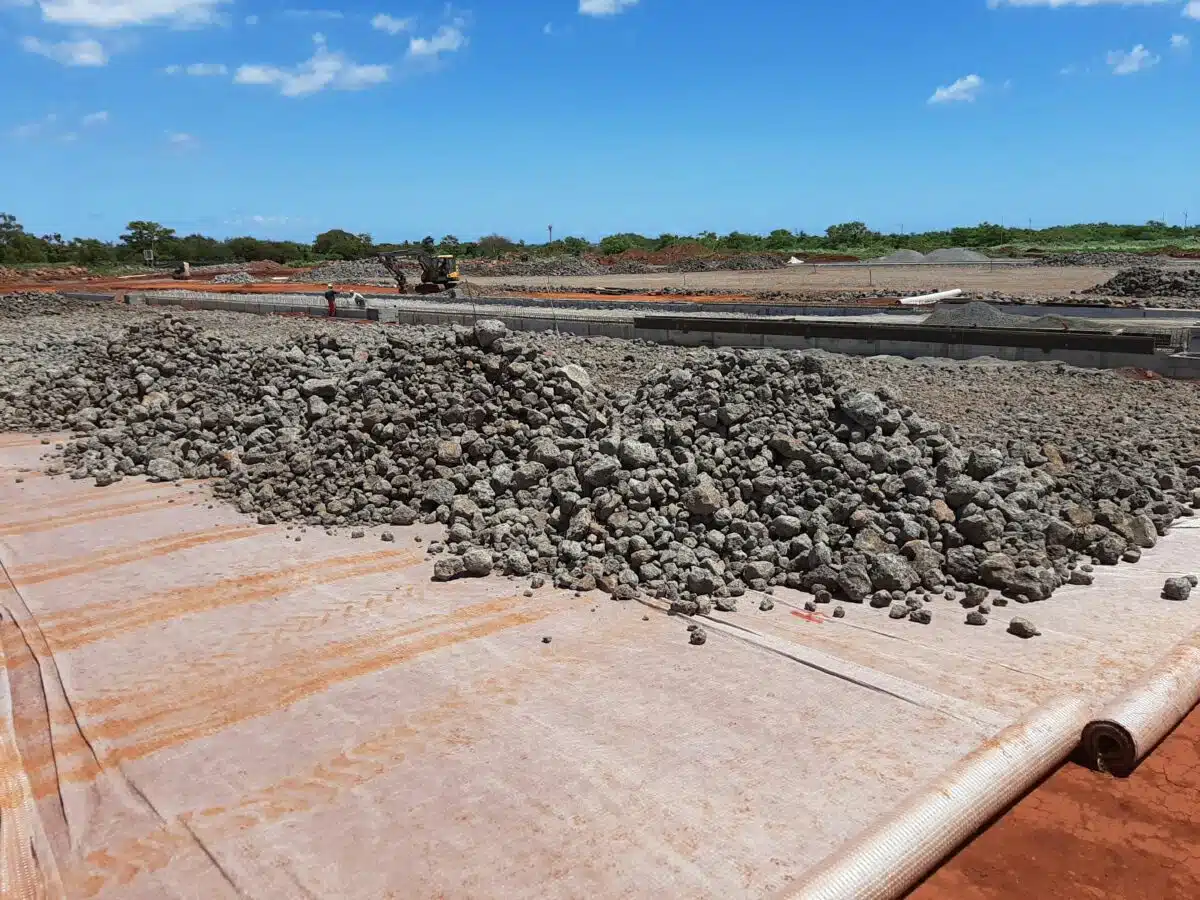
What is a Geocomposite Drainage Layer?
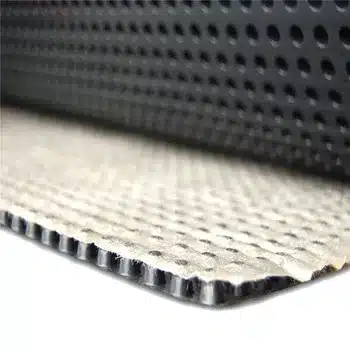
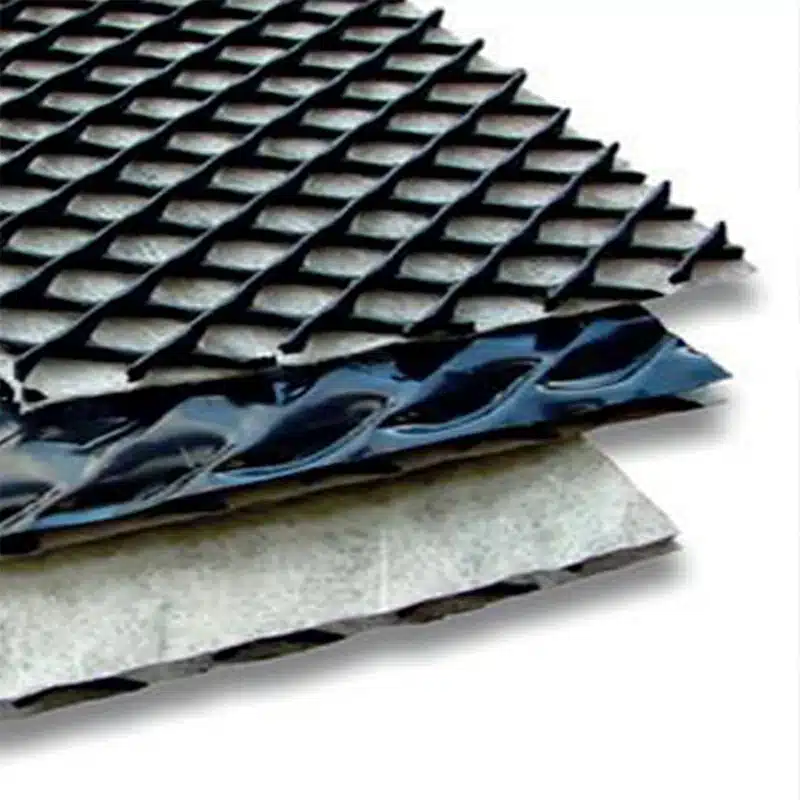
A geocomposite drainage layer is a multifunctional synthetic material designed to provide excellent drainage and filtration capabilities in various construction and environmental applications. It is engineered by combining two or more geosynthetic materials, such as geotextiles, geonets, geomembranes, or geogrids, through different manufacturing processes. This composite material is specifically tailored to efficiently collect and convey both liquids and gases, thereby preventing waterlogging and promoting the structural integrity of constructions. Its ability to handle diverse fluids makes it an indispensable component in modern infrastructure projects, ensuring that both water and gas are effectively managed to maintain the health and longevity of the construction.
What is the Function of Geocomposite?
Geocomposites serve a myriad of functions, tailored to the demands of specific projects, including separation, drainage, filtration, and reinforcement, in addition to acting as a barrier against moisture or contaminants. In their role concerning separation, these materials prevent the intermixing of different soil layers, thus maintaining the integrity and functionality of the construction site. For drainage, geocomposites act as a conduit for water, efficiently channeling it away from structures to prevent damage or erosion. Through filtration, they permit the passage of water while preventing soil or other particles from clogging the system, ensuring the longevity and effectiveness of drainage solutions. In terms of reinforcement, geocomposites enhance the mechanical properties of soil, significantly improving stability and load-bearing capacities. Lastly, by serving as barriers, they effectively prevent the migration of fluids or gases, safeguarding environmental resources and structures from contamination. This comprehensive functionality underscores the versatility and indispensability of geocomposites in modern engineering and environmental applications.
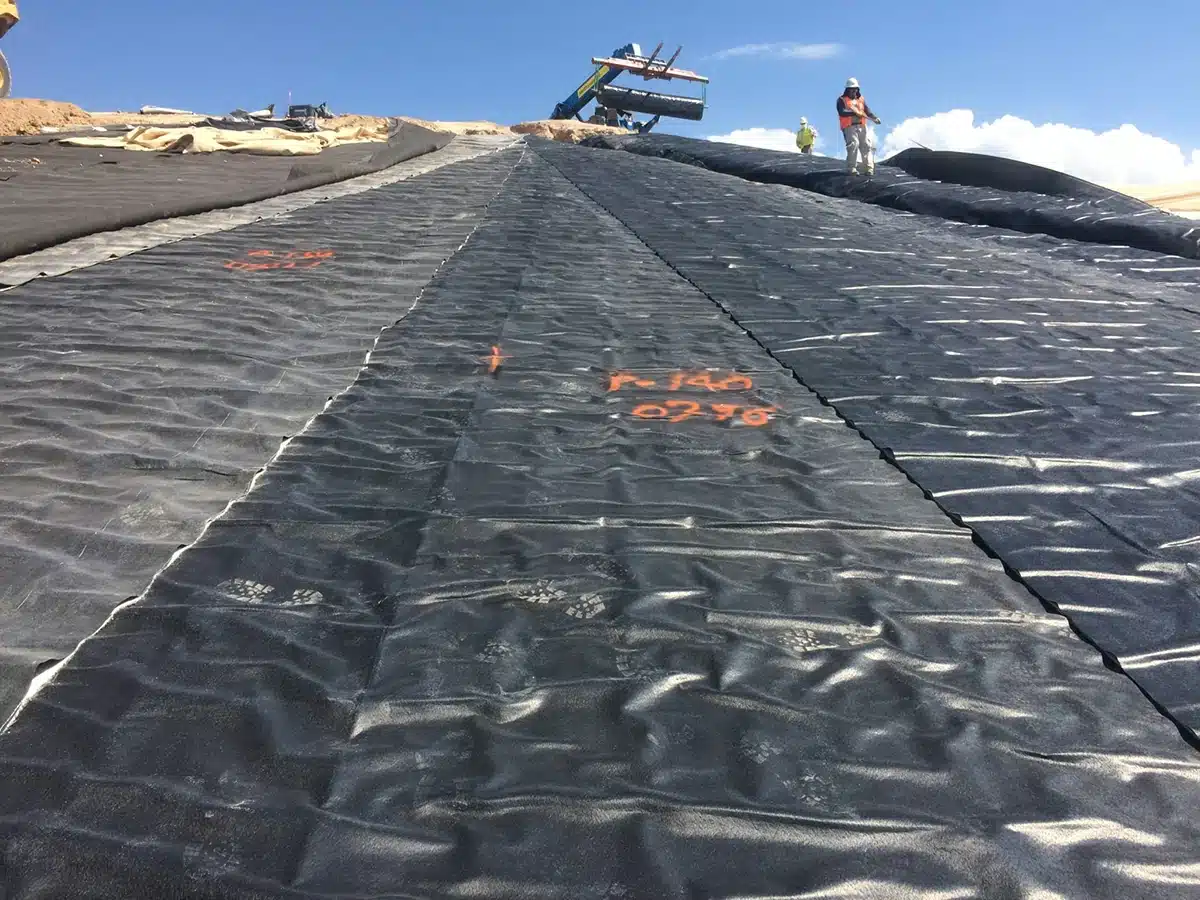
What is the Difference Between Geocomposite and Geotextile?
The primary difference between geocomposites and geotextiles lies in their composition and functionality. Geotextiles are permeable fabrics made from synthetic fibers, used for filtration, separation, reinforcement, and protection in various geotechnical, transportation, environmental, and hydraulic applications. On the other hand, a geocomposite consists of a combination of one or more geosynthetics, specifically a geogrid, a geotextile, a geomembrane, and/or a geonet, with another material, thereby enhancing or adding functionalities. This strategic amalgamation in geocomposites results in a product that can simultaneously perform multiple roles, such as drainage and filtration, which might not be achievable with a single geotextile layer. This distinction underscores the versatility and advanced engineering behind geocomposites, enabling them to meet a broader range of application requirements more effectively than geotextiles alone.
What is a Geotextile Layer?
A geotextile layer, essentially a sheet of fabric used in association with soil, refers to a permeable fabric made from polyester or polypropylene. It is designed to perform four main functions: separation, filtration, drainage, and reinforcement. Acting as a crucial separator, this layer prevents the mixing of different soil layers while allowing water to pass through, thus maintaining the functionality of drainage systems and reinforcing the soil structure. Geotextiles, given their versatility and association with soil, can be woven, non-woven, or knitted, with each type offering specific characteristics suited to various applications, from road construction to erosion control and beyond. This integration highlights the intrinsic relationship between geotextiles and the soil they interact with, underscoring their importance in a wide range of civil engineering and environmental applications.
The geocomposite layer represents a significant leap forward in the field of civil engineering and environmental management, offering a versatile and efficient solution to complex challenges. By understanding the distinct roles and benefits of geocomposites and their differences from geotextiles, professionals can better leverage these materials to enhance the sustainability, safety, and longevity of infrastructure projects. As we continue to explore and integrate these advanced materials, the potential for innovation in construction and environmental protection seems boundless, paving the way for a more resilient and sustainable future.



Comments
Post a Comment