Unveiling the Geonet Benefit: Enhancing Earth’s Surface Stability
In the realm of geotechnical engineering and environmental conservation, the significance of geonets, known for being lightweight and easy to install, thereby reducing labor and transportation costs, has markedly increased. This popular science article delves into the world of geonets, exploring their applications, benefits, particularly their efficiency in installation and cost-effectiveness, and distinguishing features. We will address common questions, compare geonets with similar materials like geogrids, and underscore their importance in modern engineering and environmental protection, emphasizing their lightweight, easy-to-install nature that contributes to reduced labor and transportation expenses.
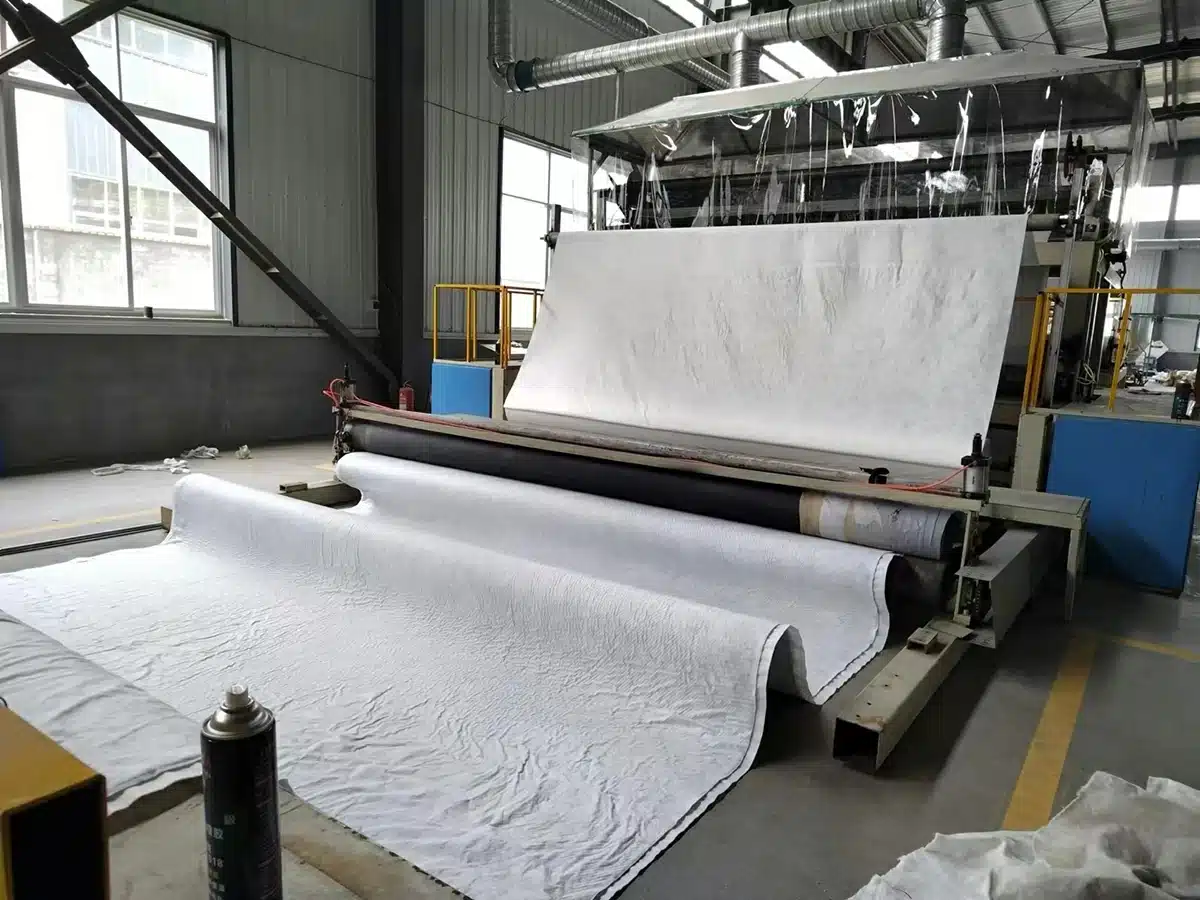
What is Geonet Used For?
Geonets are primarily used for drainage and erosion control in a wide range of geotechnical and environmental applications, encompassing areas such as road construction, road widening, asphalt work, building construction and foundations, retaining walls, dams, artificial ponds, and water reservoirs, among many others. These applications notably include their use in landfill liners, erosion control on slopes, and enhancing drainage in retaining walls. Their unique structure is adept at facilitating efficient water flow, effectively preventing water accumulation and subsequent soil erosion. Additionally, geonets are instrumental in protecting geomembranes in landfills and the construction of subsurface drainage systems, playing a vital role in environmental protection and ensuring the stability of various infrastructures.
What is the Difference Between a Geogrid and a Geonet?
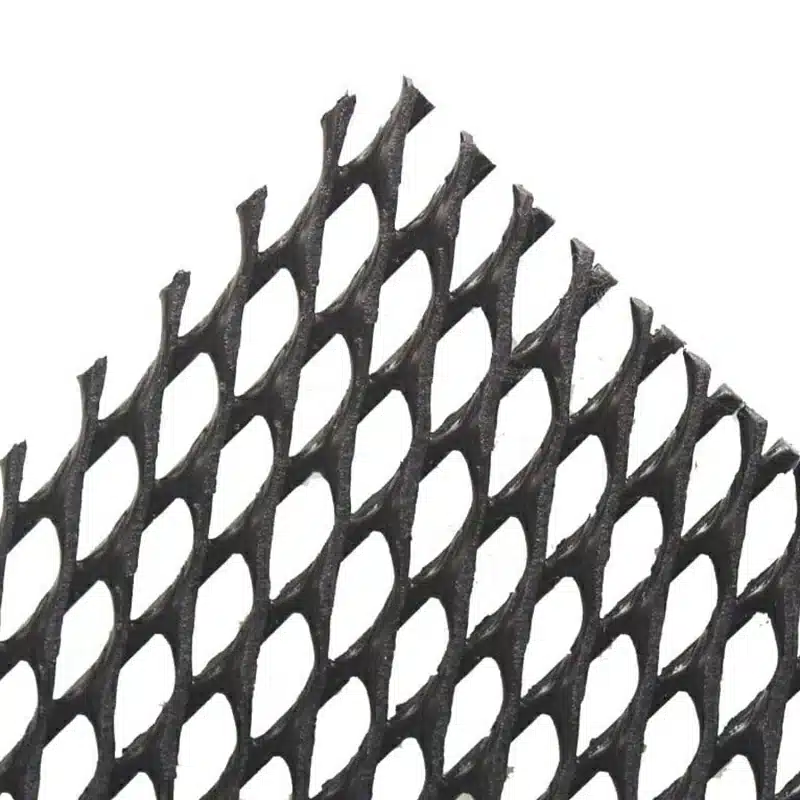
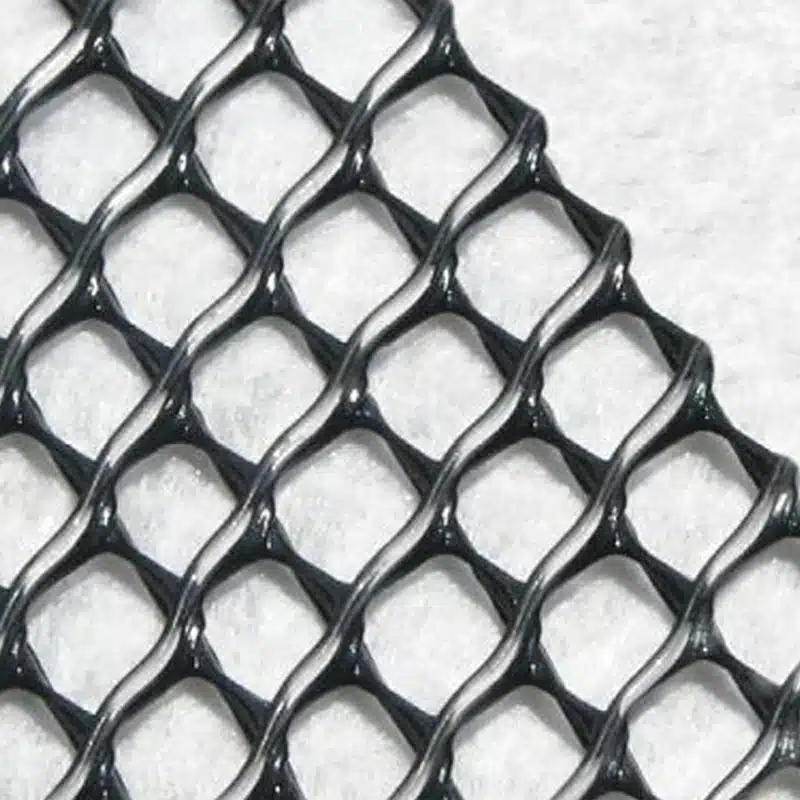
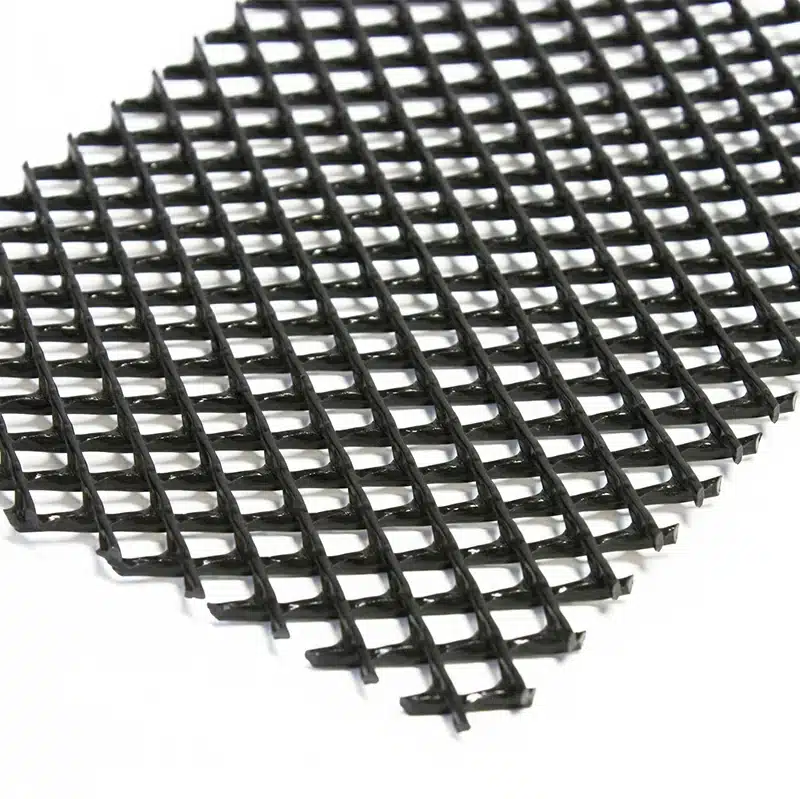
While both geogrids and geonets are used in soil reinforcement, they differ significantly in design and function. Geogrids are designed with a grid-like structure, primarily used for soil stabilization and reinforcement. Their primary function is to increase the load-bearing capacity of the soil. Geonets, on the other hand, feature a more net-like, often biplanar, structure, focusing on drainage and erosion control rather than load support. The choice between a geogrid and a geonet depends on the specific requirements of the project, whether it’s stabilization or drainage.
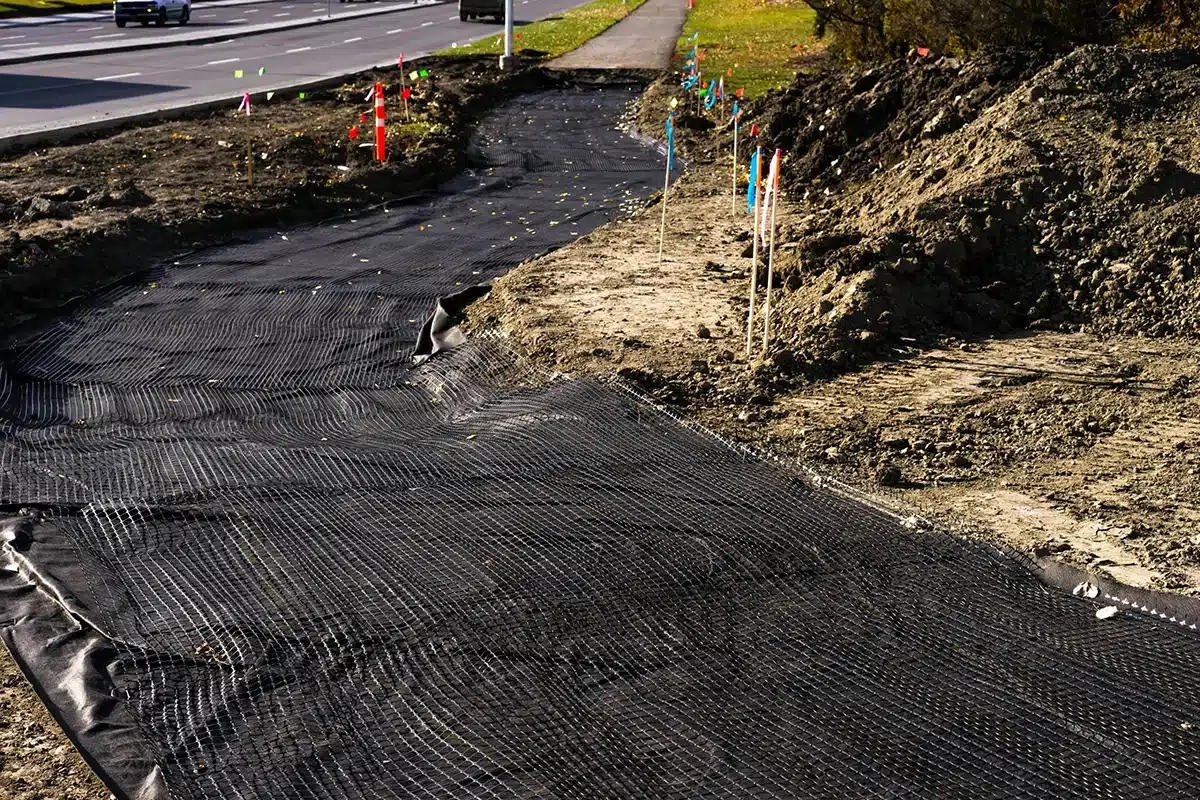
How Does Geonet Benefit Environmental Protection?
Geonets play a pivotal role in environmental protection. Their use in landfill and waste containment systems prevents harmful substances from seeping into the soil and groundwater. By facilitating proper drainage and erosion control, geonets also help maintain the natural landscape and prevent soil degradation. In coastal areas, they are instrumental in protecting shorelines from erosion. Their application in environmental projects signifies a commitment to sustainable and eco-friendly construction practices.
Are Geonets Cost-Effective and Durable?
Geonets are not only effective in their functionality but also offer cost-effectiveness and durability. Their installation is generally more economical compared to traditional drainage and soil reinforcement methods. Geonets are manufactured from high-density polyethylene (HDPE) or similar materials, which are resistant to chemicals, rot, and wear. This durability ensures a long lifespan, reducing the need for frequent replacements and thus offering long-term cost savings. Additionally, their lightweight nature reduces transportation and handling costs, further enhancing their cost-effectiveness.
Geonets, with their unique net-like structure, are essential in modern geotechnical engineering and environmental conservation. They are primarily used for drainage and erosion control, differing from geogrids, which are used for soil stabilization. Geonets contribute significantly to environmental protection by preventing soil erosion and contamination, especially in sensitive areas like landfills. Their cost-effectiveness and durability make them a preferred choice in various applications, highlighting the “geonet benefit” in both economic and environmental contexts. As we continue to face environmental challenges, the role of geonets in sustainable construction and conservation efforts becomes increasingly vital.


Comments
Post a Comment