Understanding Geocell as a Wall: Revolutionizing Soil Stabilization
In the realm of civil engineering and landscape architecture, the concept of using geocells as a wall has gained significant traction. This innovative approach to soil stabilization and retention offers a blend of strength, flexibility, and environmental friendliness. This article delves into the basics of geocell walls, exploring their definition, comparison with geo retaining walls, benefits, and material properties. By understanding these aspects, we can appreciate the role of geocells in modern construction and environmental conservation.
What is a GeoCell Wall?
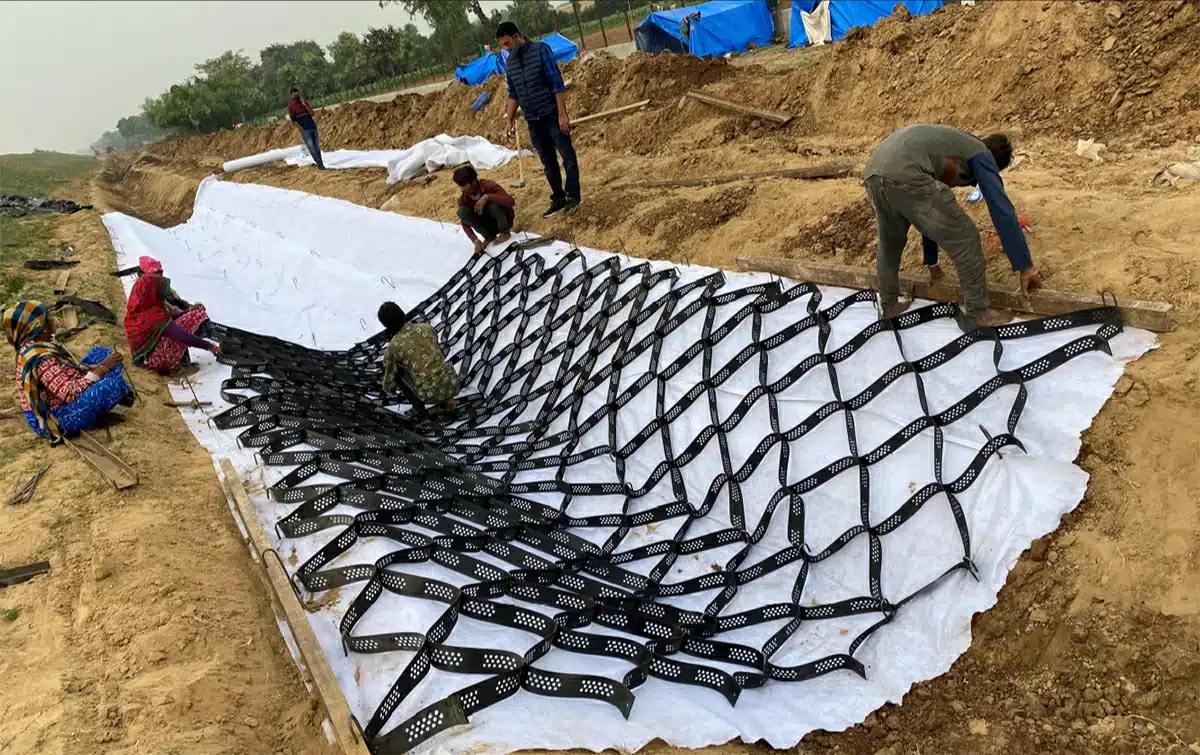
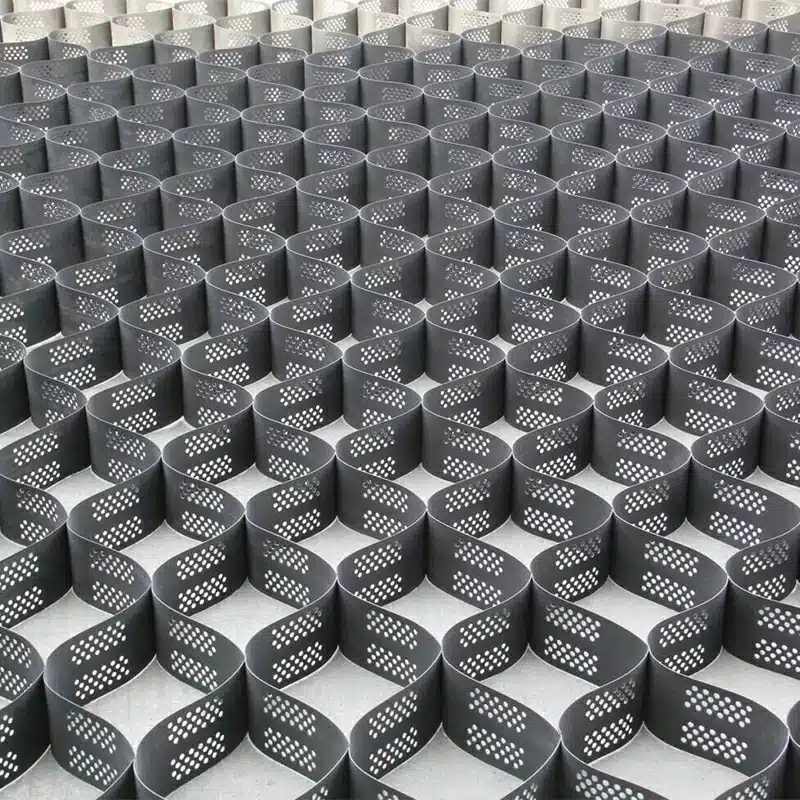
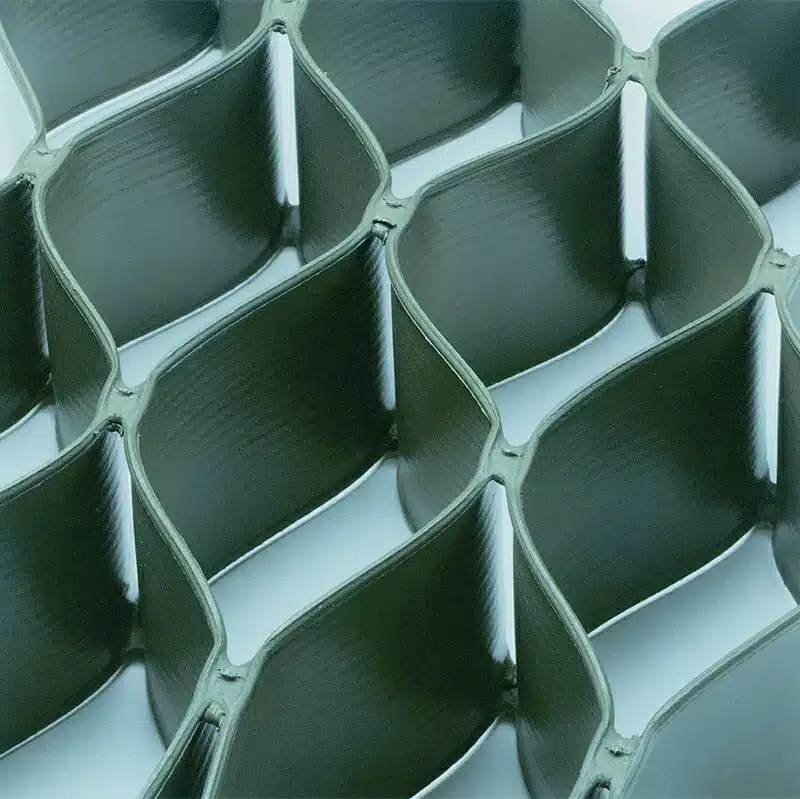
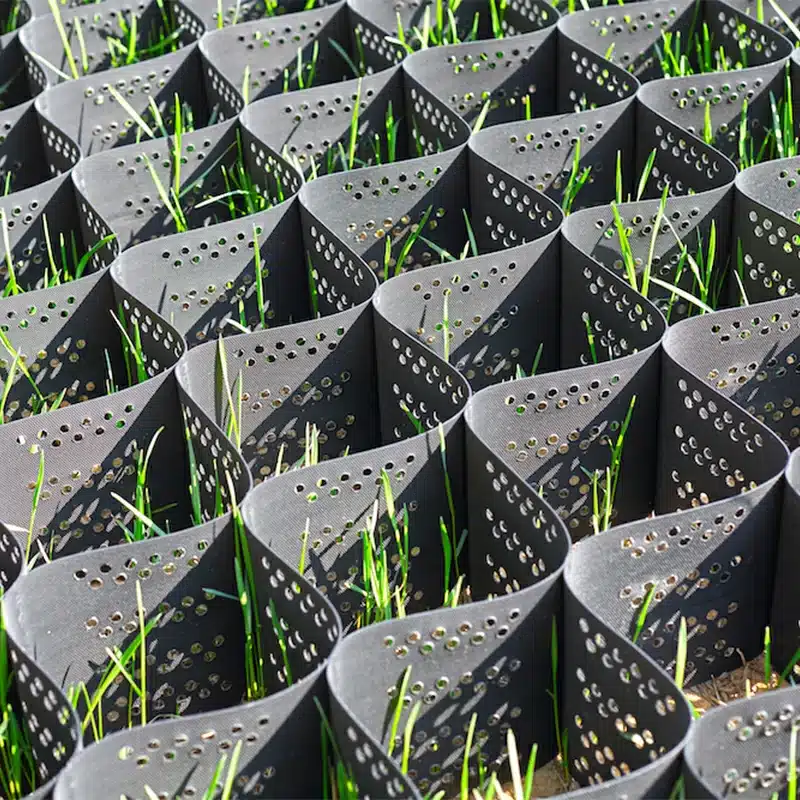
A geocell wall, representing cellular confinement systems that were created as an easy and durable material that is used for stabilizing and protection, is a type of structure employed in civil engineering and landscape design for soil stabilization and erosion control. This system features a three-dimensional, honeycomb-like network of cells crafted from high-density polyethylene (HDPE), polyester, or other polymeric alloys. When these cells are filled with materials such as soil, sand, gravel, or concrete, they form a robust and stable structure. Geocell walls, as a part of cellular confinement systems, are especially effective in the construction of retaining walls, and embankments, and for slope protection, presenting an innovative alternative to conventional soil reinforcement methods.
What is a Geo Retaining Wall?
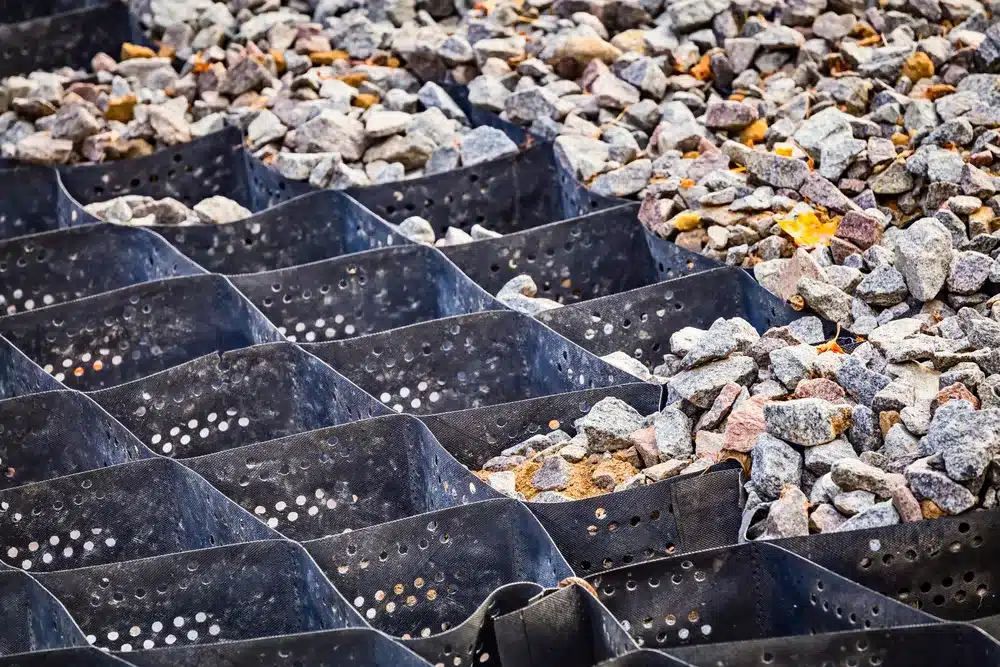
A geo retaining wall is a specific application of geocell technology, often complemented by a precast concrete slab, cast in a decorative mold featuring a timber effect finish, with an expected life expectancy of up to 60 years. This innovative wall is designed to hold back soil or rock from a building, structure, or area to prevent erosion or collapse. Differing from traditional retaining walls made from concrete, stone, or wood, a geo retaining wall employs the cellular confinement system of geocells. When these cells are filled with compacted soil, they, alongside the durable precast slabs, create a strong and flexible barrier. This combination is adept at adapting to environmental changes, such as ground movement and moisture variations, more effectively than rigid structures.
What are the Benefits of Geocells?
Geocells offer numerous advantages in construction and environmental applications, designed to reduce erosion, stabilize soil, protect channels, and provide structural reinforcement for load support and earth retention:
- Enhanced Stability: They improve the load-bearing capacity of the soil, making it more stable and effectively stabilizing soil.
- Erosion Control: Geocells are effective in preventing soil erosion, especially on slopes and in areas prone to water runoff, thereby reducing erosion.
- Cost-Effective: They often reduce the need for expensive, imported materials and heavy construction equipment.
- Environmentally Friendly: Geocells are usually made from recyclable materials and encourage vegetation growth, blending with the natural environment, and protecting channels.
- Versatility: Suitable for a wide range of applications, including roads, railroads, airfields, and earth retention systems, they provide structural reinforcement for load support and earth retention.
- Durability: Resistant to chemicals, ultraviolet radiation, and mechanical damage, ensuring long-term stability and protection.
What are the Properties of Geocell Material?
Geocell materials, typically made from HDPE or other polymeric alloys, exhibit several key properties:
- High Tensile Strength: They can withstand significant stress without breaking.
- Elasticity and Flexibility: Allows them to conform to varying terrain and withstand differential settlement.
- Chemical Resistance: They are resistant to a wide range of chemicals, making them suitable for various environments.
- UV Resistance: Geocell materials are often treated to be resistant to ultraviolet light, enhancing their longevity.
- Permeability: The design allows for water drainage, which is crucial for soil health and erosion control.
Geocell technology, particularly in the form of geocell walls, represents a significant advancement in soil stabilization and erosion control. By understanding what geocell walls are, their comparison with traditional geo retaining walls, their benefits, and the properties of the materials used, we gain insight into their importance in modern construction and environmental management. The versatility, cost-effectiveness, and environmental benefits of geocells make them a preferred choice in various applications, marking a shift towards more sustainable and resilient construction practices.


Comments
Post a Comment