The Green Revolution in Engineering: Vegetated Geotextile Walls
In the quest for sustainable and eco-friendly construction methods, the concept of vegetated geotextile walls is gaining traction among engineers and environmentalists alike. This innovative approach not only offers a solution to erosion control and land stabilization but also enhances the aesthetic and ecological value of landscapes. This article delves into the essence of vegetated geotextile walls, exploring their definition, applications, and the pivotal role of geotextiles in their construction.
What is a Vegetated Retaining Wall?
A vegetated retaining wall represents a green friendly approach to solving grade separation applications, designed to hold back soil while fostering the growth of vegetation on its surface. Moving away from the traditional retaining walls constructed from concrete or stone, this innovative method incorporates soil, plants, and occasionally geotextiles to form a living structure. These walls excel in functionality by providing stability and controlling erosion, and they stand out for their environmental benefits, such as supporting biodiversity and integrating effortlessly with natural landscapes.
What is the Use of Geotextile in Retaining Walls?
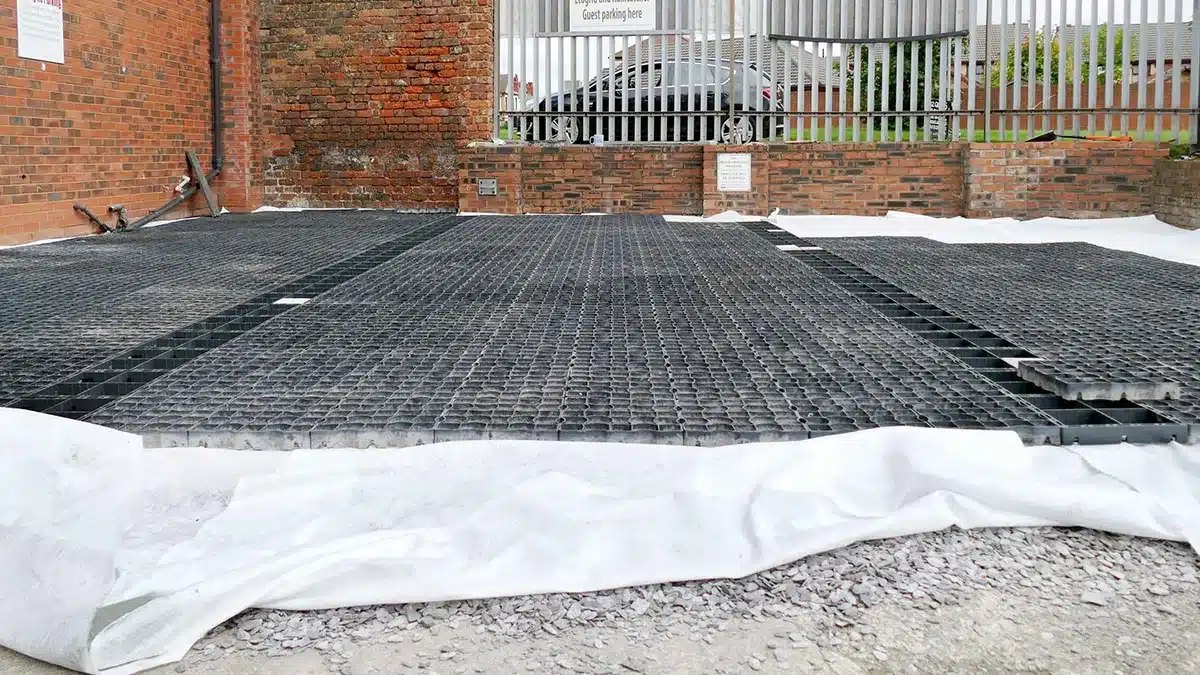
Geotextiles are essential in the construction of retaining walls, particularly when aiming to provide drainage behind retaining walls, including vegetated types. These permeable fabrics, crafted from synthetic or natural materials, are adept at separating, filtering, reinforcing, protecting, or draining soil. In the context of vegetated retaining walls, geotextiles fulfill several critical functions: they bolster the soil to prevent erosion; they are instrumental in facilitating drainage, effectively reducing hydrostatic pressure behind the walls; and they serve as a nurturing medium for vegetation growth, aiding in the establishment of plant roots and upholding the wall’s structural integrity.
What is a Geotextile Wall?
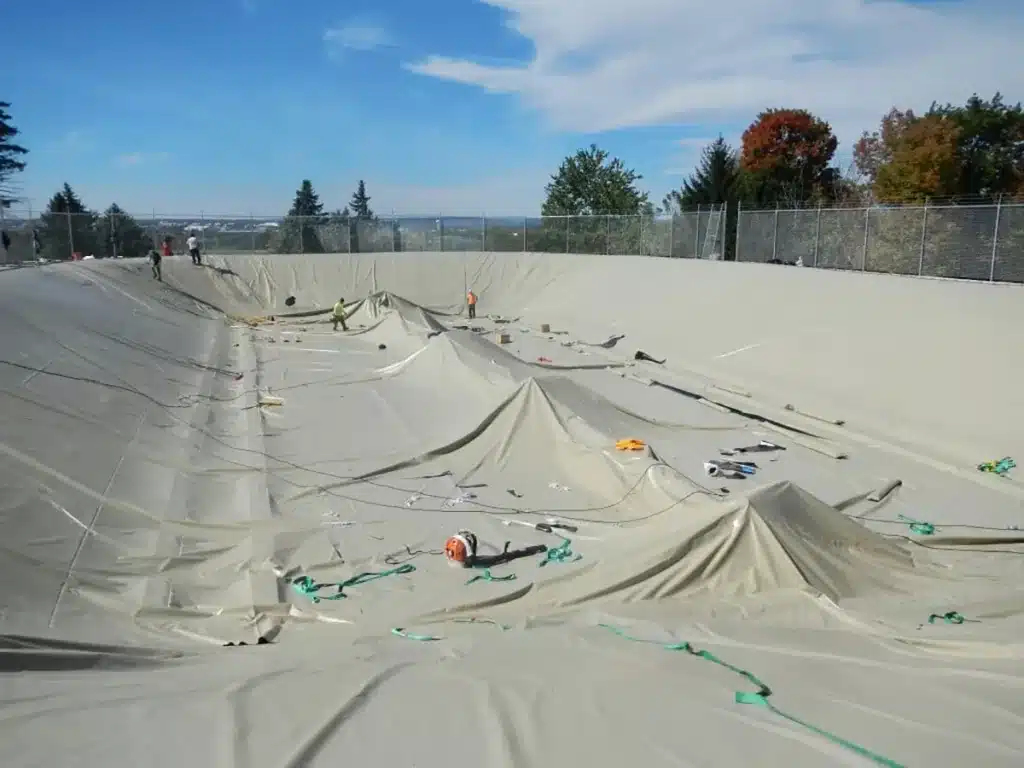
A geotextile wall refers to a retaining wall system that incorporates synthetic fabrics designed to reinforce soil and improve poor soil conditions as a key component. These walls are engineered by layering these synthetic fabrics with soil, aggregates, or other fill materials. The layers of synthetic fabrics designed to reinforce soil and improve poor soil conditions provide strength and stability to the wall, enhancing its load-bearing capacity and resistance to erosion. Geotextile walls can be vegetated or non-vegetated, depending on their intended use and the desired aesthetic outcome.
What are the 3 Main Uses of a Geotextile?
- Separation, an essential function among filtration, drainage, reinforcement, cushioning, waterproofing, and separation: Geotextiles act as a barrier between different soil layers, preventing the mixing of materials while allowing water and gases to pass through. This role is crucial in maintaining the integrity and functionality of roads, pavements, and foundations, embodying the principles of separation, filtration, and drainage.
- Reinforcement, a key aspect of filtration, drainage, reinforcement, cushioning, waterproofing, and separation: By distributing loads over a wider area, geotextiles reinforce soil, enhancing the stability and durability of structures like retaining walls, embankments, and slopes. This function underscores the importance of reinforcement in the broader context of geotextile applications.
- Drainage and Filtration, integral components of filtration, drainage, reinforcement, cushioning, waterproofing, and separation: Geotextiles facilitate the flow of water within soil layers, preventing the build-up of hydrostatic pressure and reducing the risk of erosion. They also filter out sediments, preserving water quality and preventing the clogging of drainage systems. This highlights the critical roles of drainage and filtration within the comprehensive functions of geotextiles.
Vegetated geotextile walls represent a harmonious blend of engineering and nature, offering a sustainable alternative to traditional retaining wall systems. By leveraging the unique properties of geotextiles for separation, reinforcement, and drainage, these living walls not only stabilize and protect the landscape but also promote ecological balance. As the world moves towards greener construction practices, the adoption of vegetated geotextile walls is set to increase, marking a significant step forward in the integration of environmental considerations into civil engineering projects.



Comments
Post a Comment