Harnessing the Power of Velocity Slope Geocell for Enhanced Slope Stability
In the realm of geotechnical engineering, the quest for innovative solutions to stabilize slopes and prevent soil erosion has led to the development of various materials and techniques. Among these, the use of geocells, particularly in velocity slope applications, has gained significant attention. This article delves into the world of geocells, exploring their maximum slope capacity, their role in slope protection, the function of geogrids in slope stability, and the feasibility of filling geocells with concrete. By understanding these aspects, we can better appreciate the versatility and effectiveness of geocells in geotechnical applications.
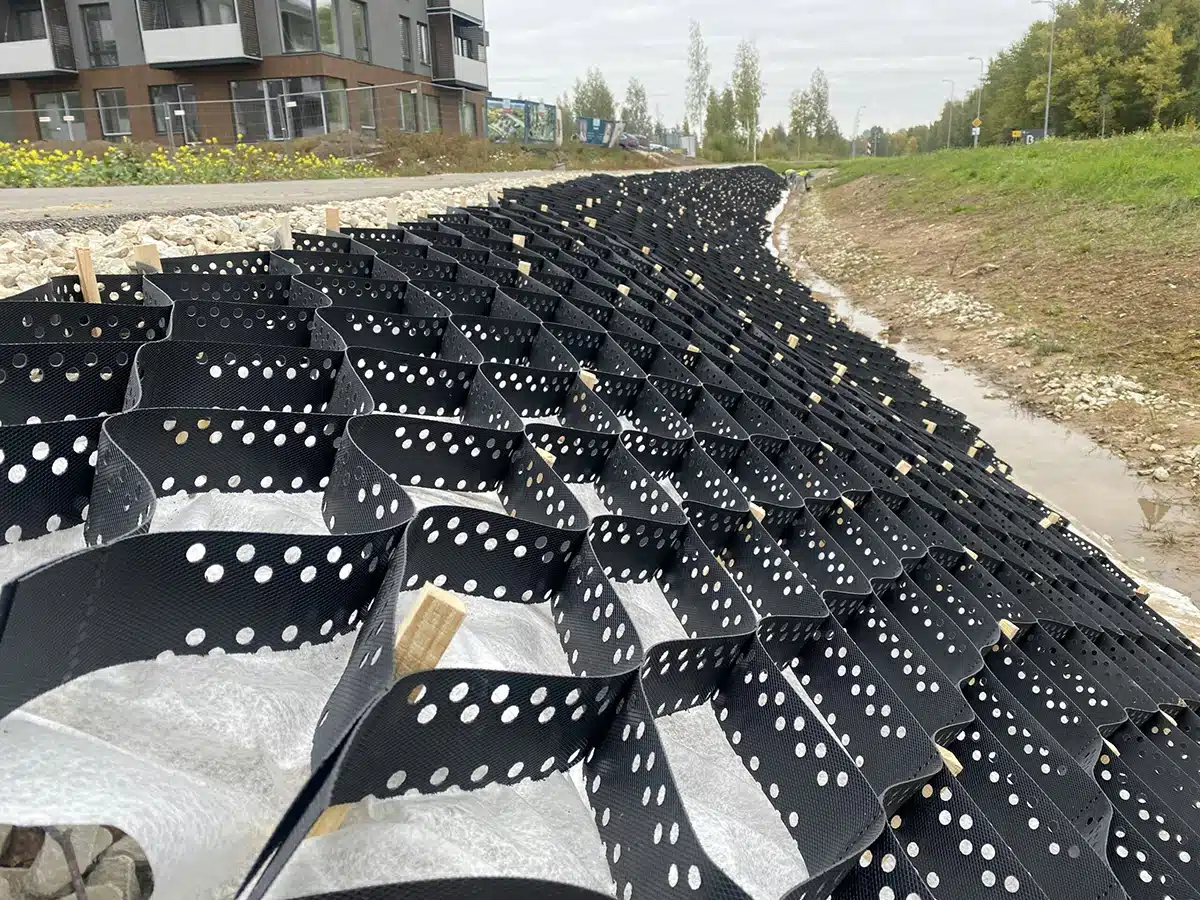
1. What is the maximum slope for geocell?
The maximum slope that a geocell can effectively stabilize depends on various factors, including the type of soil, the geocell material, and the specific application. Typically, geocells are effective for slopes ranging from 45 degrees to 70 degrees, although this can vary based on the conditions. The design of the geocell system, including cell size, depth, and infill material, is pivotal in determining its suitability for a particular slope angle, whether it’s as moderate as 45 degrees or as steep as 70 degrees.
2. What is a geocell for slope protection?
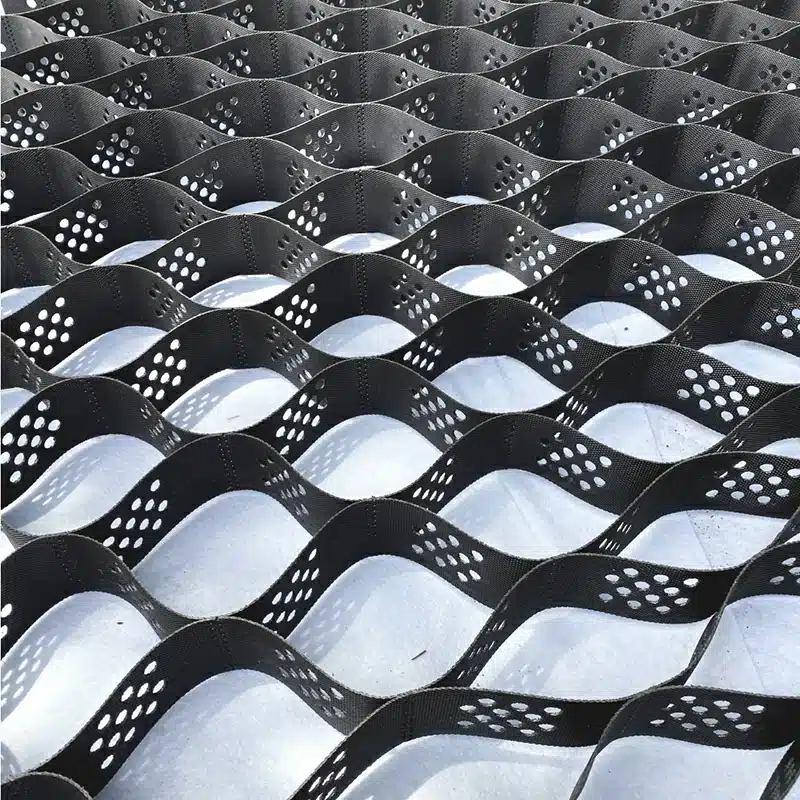
A geocell for slope protection, employed to protect slopes from erosion and assist in stabilizing the surface, is a three-dimensional, honeycomb-like structure made from high-density polyethylene (HDPE) or other polymers. This innovative system is specifically used to confine and stabilize soil on slopes, effectively preventing erosion and slippage. When deployed, the geocell system enhances the shear strength of the infill material and distributes loads more evenly. This not only protects the slope from erosion but also aids in stabilizing the surface against various forms of degradation.
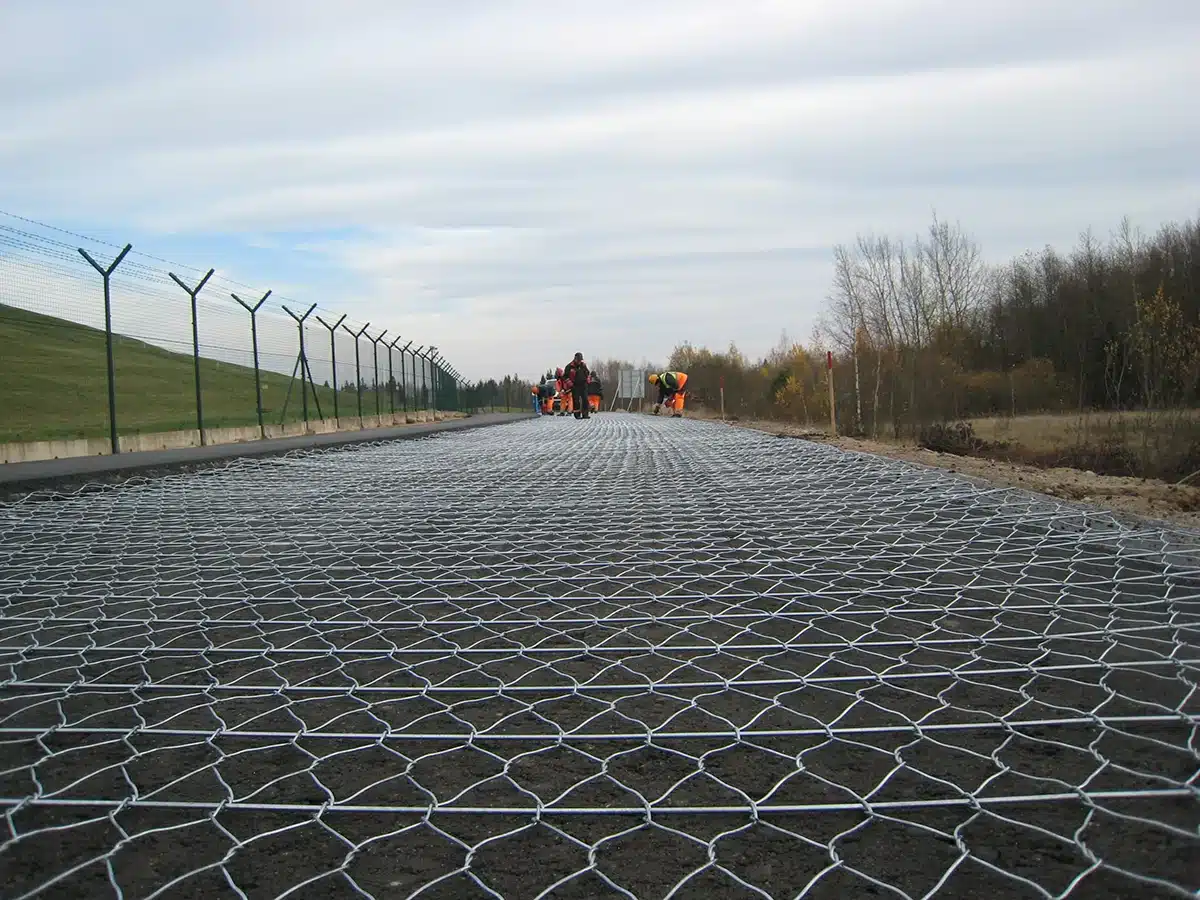
3. What is a geogrid for slope stability?
A geogrid is a geosynthetic material consisting of a grid-like structure, used to reinforce soil and enhance slope stability. Unlike geocells, which are three-dimensional, geogrids are typically flat and are strategically employed as reinforcing geogrids laid horizontally back from the slope face in layers. This method is used to create layers of reinforcement within the soil. By interlocking with the soil particles, geogrids provide tensile strength that is essential in preventing soil movement and slope failure.
4. Can you fill the geocell with concrete?
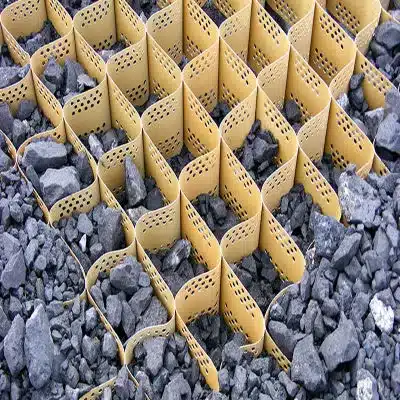
Yes, on slope applications, geocells can be filled with angular rock, concrete, or vegetated soil, especially in scenarios requiring a more rigid and durable surface. Filling geocells with concrete is a common practice in load support and erosion control applications, such as in the construction of retaining walls, roadways, and embankments. The flexibility of the geocell structure allows it to conform to the terrain, while the choice of infill, whether it’s concrete, angular rock, or vegetated soil, provides the necessary strength and stability.
Geocells, with their unique three-dimensional structure, offer a versatile and effective solution for slope stabilization and erosion control. Capable of being used on slopes as steep as 70 degrees, these systems enhance the shear strength of the soil, providing robust protection against erosion and slippage. While geocells are often filled with soil or gravel, filling them with concrete is also a viable option for more demanding applications. Additionally, the use of geogrids as a complementary technology provides additional reinforcement for slope stability. Understanding the capabilities and applications of geocells and geogrids is crucial for anyone involved in geotechnical engineering and slope management.


Comments
Post a Comment