Geocell for Pond: Enhancing Water Bodies with Innovative Technology
In recent years, the use of geocell technology in pond construction and maintenance has gained significant attention. This article delves into the world of geocells, exploring their applications, varieties, and benefits, particularly in the context of pond environments. By understanding how geocells work and the different types available, we can appreciate their role in sustainable water body management.
What is Geocell Used For?
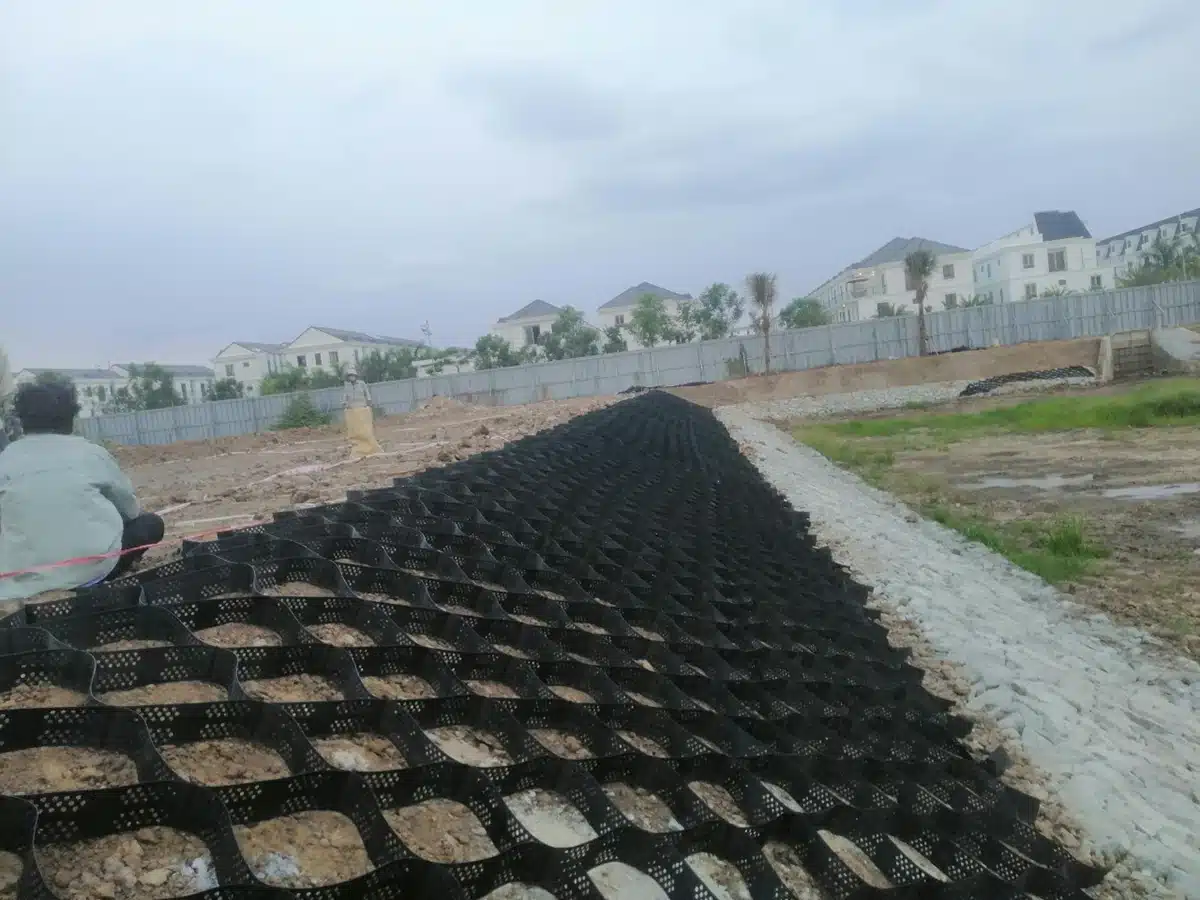
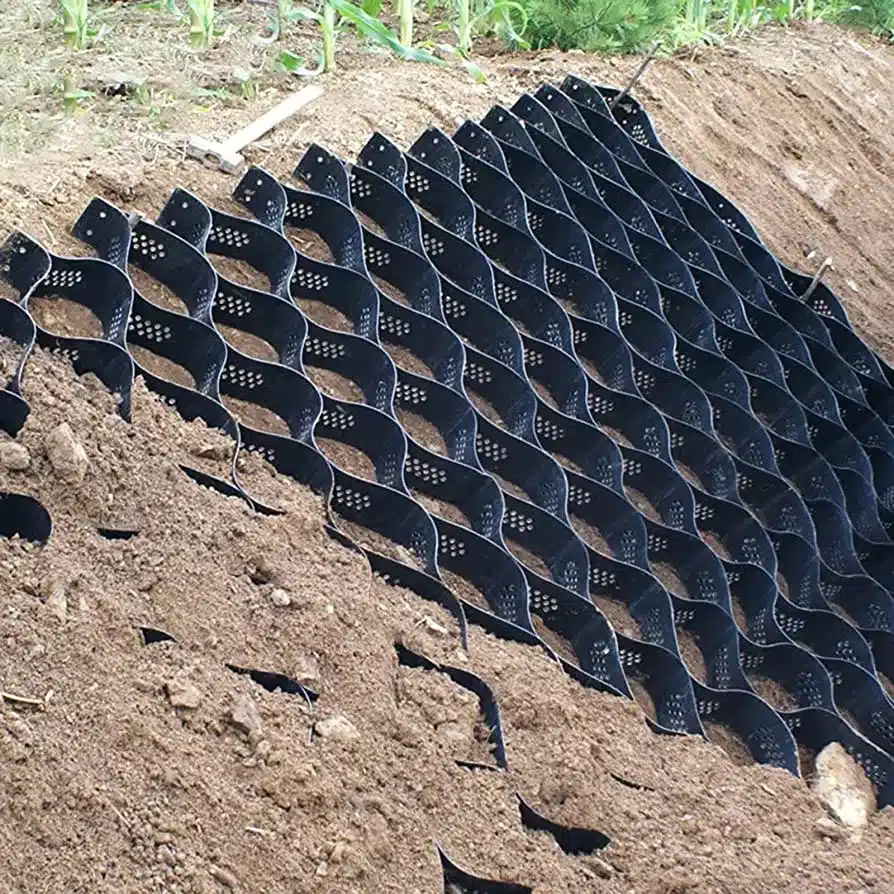
Geocell is a three-dimensional, honeycomb-like structure made from polymer materials, primarily used for a range of applications including erosion control, soil stabilization on flat ground and steep slopes, channel protection, and structural reinforcement for load support and earth retention. In the context of ponds, geocells serve several critical functions. They reinforce the pond’s foundation and banks, providing erosion control and preventing soil displacement. This reinforcement is crucial for maintaining the pond’s shape, preventing leaks, and ensuring the safety of the surrounding environment. Additionally, geocells can be used to create a stable base for walking paths or decorative elements around the pond, enhancing both functionality and aesthetics, while contributing to soil stabilization on flat ground and steep slopes.
What are the Different Types of Geocells?
Geocells come in various types, primarily distinguished by the materials used, their design features, and whether they are non-perforated geocells or perforated geocells. The most common types include:
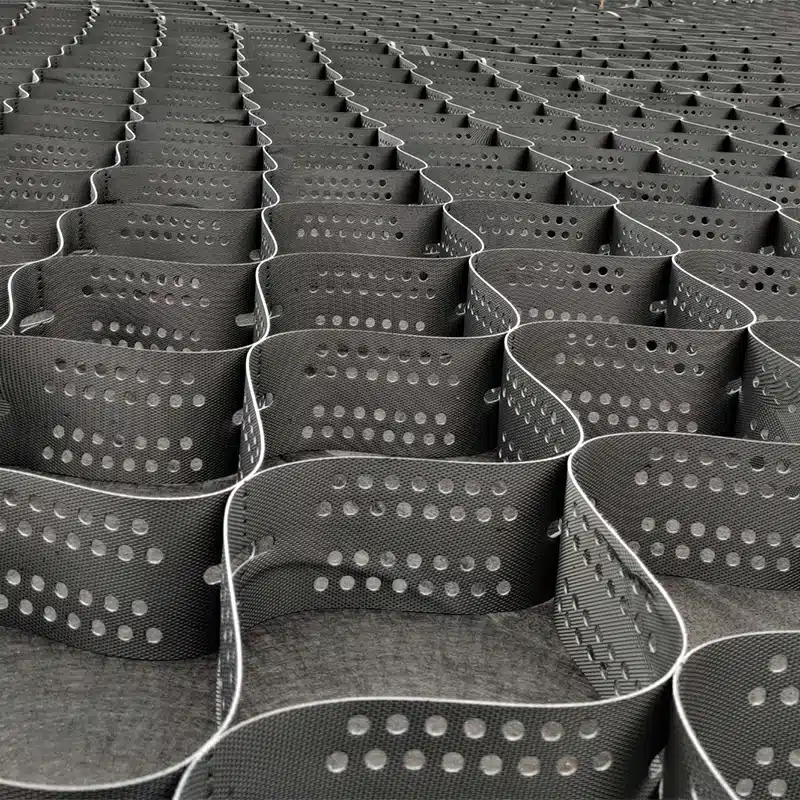
- High-Density Polyethylene (HDPE) Geocells (Non-Perforated and Perforated): Known for their durability and chemical resistance, HDPE geocells are widely used in pond applications. The non-perforated geocell is ideal for water retention and structural support, while the perforated version is used for drainage and vegetation support.
- Polypropylene Geocells (Non-Perforated and Perforated): These are lighter and more flexible compared to HDPE, suitable for projects requiring adaptability to uneven surfaces. Both non-perforated and perforated polypropylene geocells cater to different needs, with the former providing solid support and the latter aiding in drainage and root growth.
- Textile-based Geocells (Perforated): Made from woven or nonwoven fabrics, these are often used for erosion control and vegetation support on pond banks. The perforated nature of these geocells allows for water and nutrient flow, promoting healthy plant growth.
- Biodegradable Geocells (Non-Perforated and Perforated): Ideal for temporary applications, these geocells gradually decompose, making them an eco-friendly option. They are available in both non-perforated forms for structural stability and perforated forms for environmental restoration projects.
How Do Geocells Contribute to Environmental Sustainability?
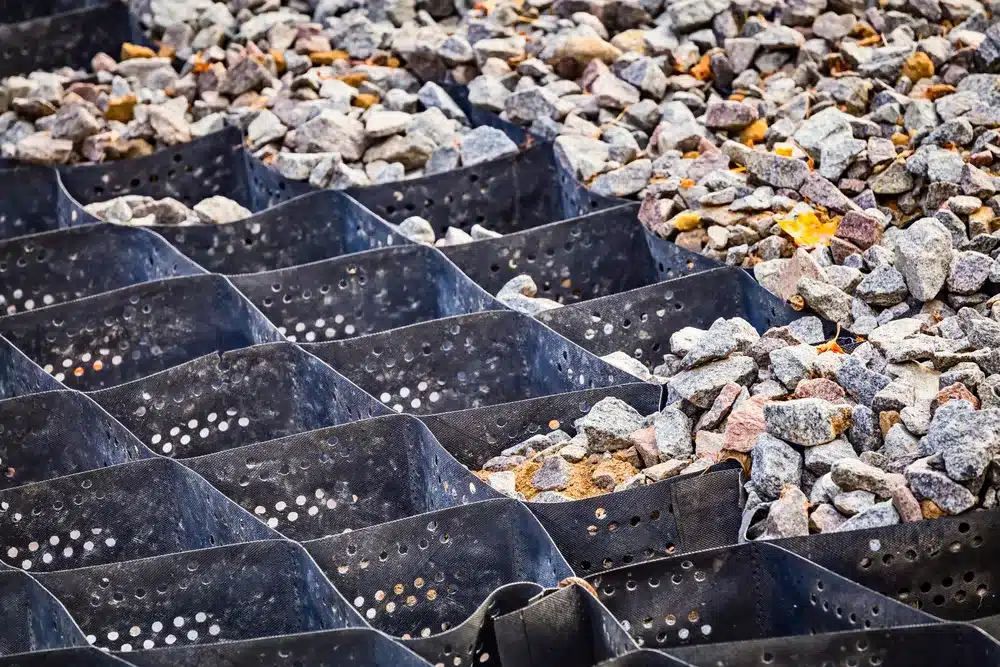
Geocells contribute significantly to environmental sustainability. They reduce the need for natural aggregate resources, minimize soil erosion, and promote natural vegetation growth. In pond environments, geocells help maintain the natural water filtration process and support the growth of local flora and fauna. Their durability ensures long-term stability with minimal maintenance, reducing the ecological footprint of construction and landscaping projects.
What are the Installation and Maintenance Considerations for Geocells in Pond Applications?
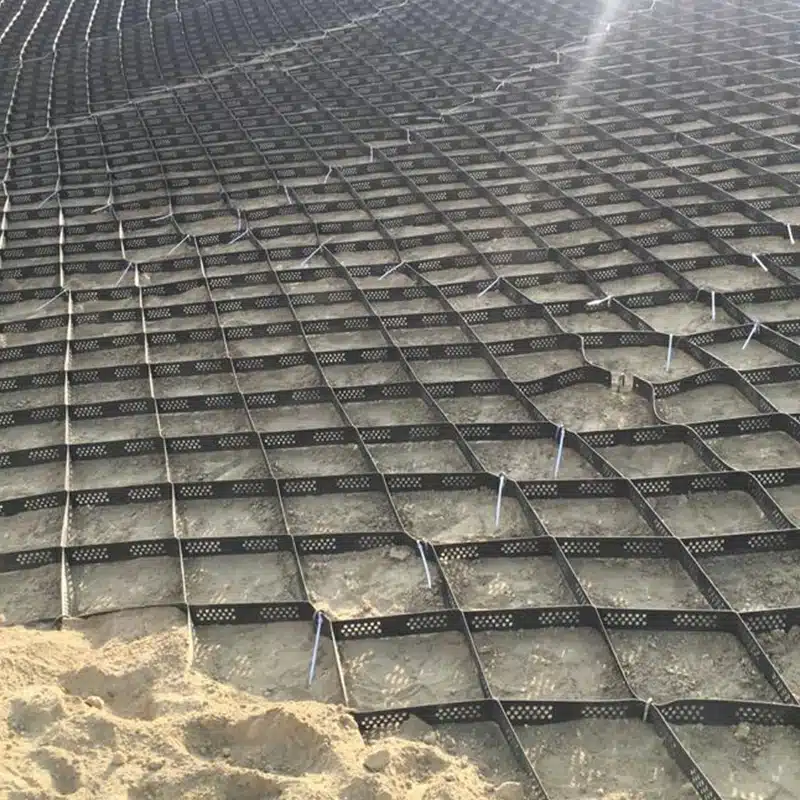
Installing geocells for ponds requires careful planning and execution. The process typically involves excavating the designated area, laying down a protective geotextile fabric, and then installing the geocell panels. The cells are then filled with soil, gravel, or other suitable materials. Proper anchoring and connection of the panels are crucial for stability. Maintenance of geocell-structured ponds involves regular inspections for any damage or displacement, ensuring the infill material remains intact, and monitoring vegetation growth for any necessary upkeep.
Geocell technology offers a revolutionary approach to pond construction and maintenance. Its applications range from soil stabilization to erosion control, making it an invaluable tool in creating and preserving healthy pond ecosystems. With various types available, including HDPE, polypropylene, textile-based, and biodegradable options, geocells cater to diverse needs and environmental considerations. Their contribution to sustainability, coupled with the practical aspects of installation and maintenance, underscores the importance of geocells in modern environmental management and landscaping practices. As we continue to seek eco-friendly and efficient solutions, geocell for ponds stands out as a prime example of innovation meeting nature conservation.


Comments
Post a Comment