Exploring the Role of Geonets in Enhancing Road Durability
In the realm of civil engineering, particularly in road construction, the integration of geosynthetics has been a game-changer, offering reinforcement, stabilization, and filtration benefits. Among these, geonets have become increasingly popular due to their unique properties and functionalities in these areas. This article aims to shed light on the use of geonets in road construction, exploring their functions in reinforcement, stabilization, and filtration, their materials, design aspects, and how they differ from similar materials like geogrids in providing these crucial benefits.
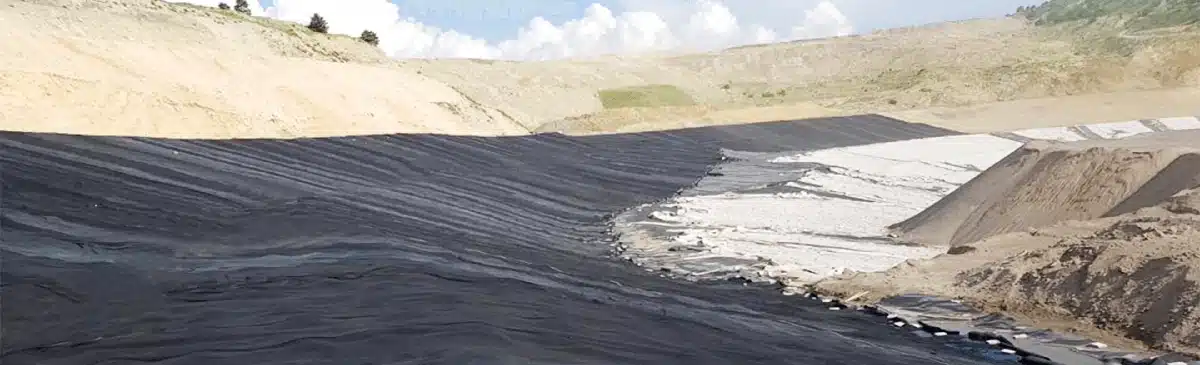
What is the function of the Geonet?
Geonets are primarily used for effective drainage and soil stabilization in road construction, which help prevent soil erosion, groundwater contamination, and greenhouse gas emissions. They act as a two-dimensional drainage path, allowing for the swift and efficient removal of water from the pavement structure and subgrade. This drainage is crucial in preventing water-related damages such as erosion, frost heave, and structural weakening. Additionally, by maintaining a drier base, geonets not only help prolong the lifespan of the road but also contribute to environmental protection by mitigating soil erosion, preventing groundwater contamination, and reducing greenhouse gas emissions associated with road maintenance and repair.
What is a geonet made of?
Geonets are typically manufactured from durable synthetic materials like virgin high-density polyethylene (HDPE) or polypropylene. These materials, especially virgin HDPE, are chosen for their strength, chemical resistance, and resilience against environmental factors such as UV exposure and temperature fluctuations. The robust nature of virgin high-density polyethylene (HDPE) and other materials ensures that geonets can withstand the stresses of heavy traffic and harsh environmental conditions over extended periods.
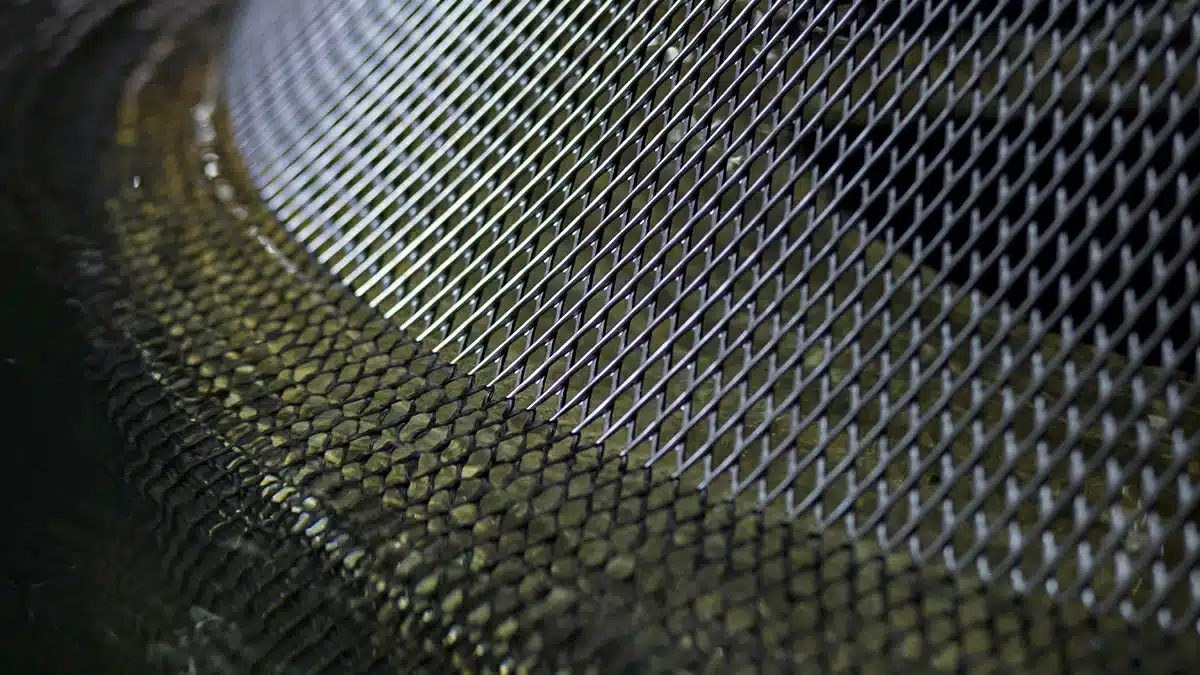
What is the shape of apertures in geonets?
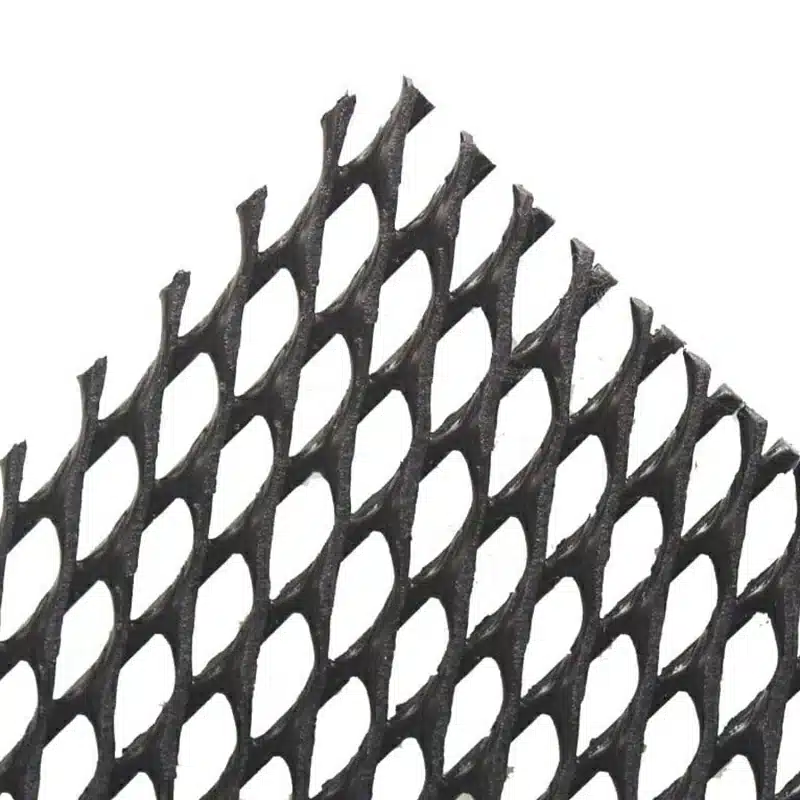
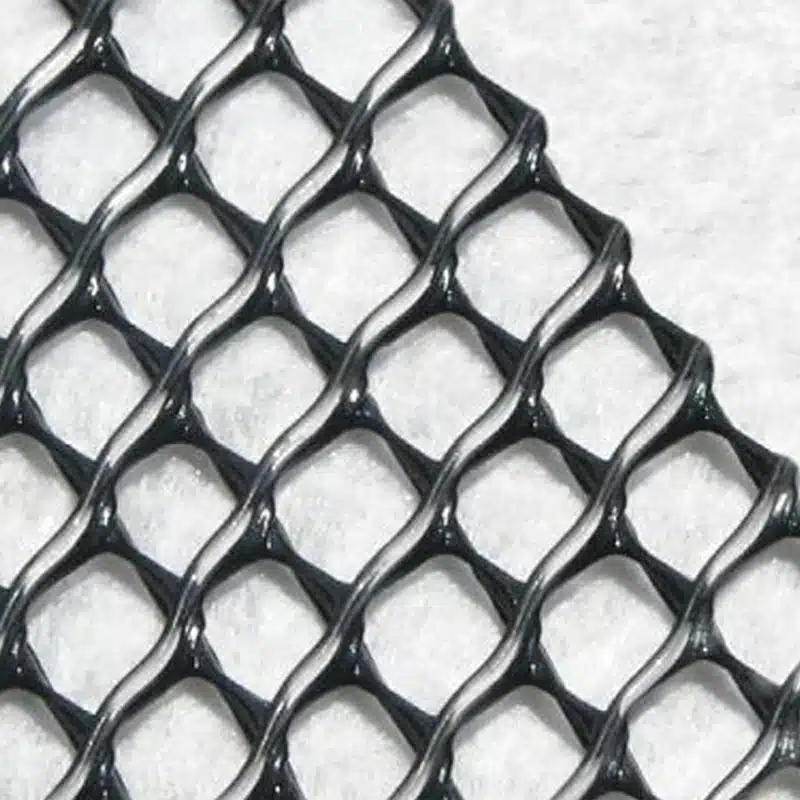
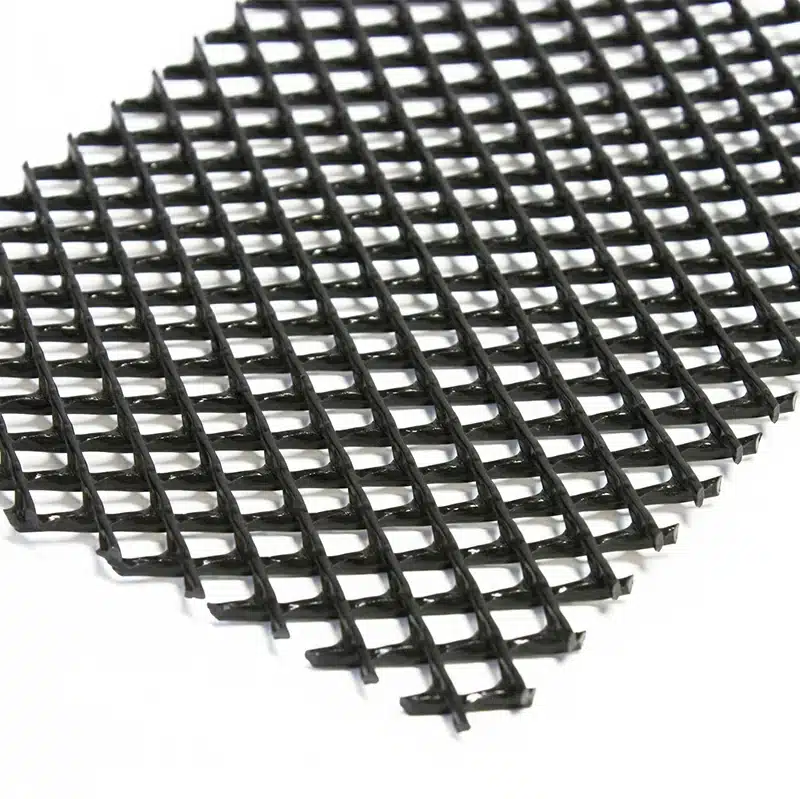
The apertures in geonets, featuring a mesh structure, polymeric structure, or square, diamond, or hexagon net shape, are usually designed in a geometric pattern, often being triangular, rectangular, or diamond-shaped. These shapes, whether in a mesh, polymeric, square, diamond, or hexagon form, are strategically chosen to optimize fluid flow while maintaining the material’s strength and integrity. The size and pattern of the apertures, regardless of whether they are mesh-like, polymeric, or in square, diamond, or hexagon shapes, are critical in determining the drainage capacity and pressure distribution characteristics of the geonet.
What is the difference between geogrid and geonet?
While both geogrids and geonets are used in road construction, they serve different purposes. Geogrids are primarily used for reinforcement. They help in distributing loads and reinforcing the soil, thereby enhancing the structural stability of the road. Geonets, on the other hand, are used for drainage purposes. Their design focuses on creating channels for water flow to prevent water accumulation and related damages. Material-wise, geogrids often have a more flexible and grid-like structure, whereas geonets are stiffer with a more defined aperture pattern.
Geonets have become an indispensable tool in modern road construction, offering vital solutions for drainage and soil stabilization. Made from robust materials like HDPE, their unique aperture designs facilitate efficient water management, crucial for maintaining road integrity. While sharing some similarities with geogrids, geonets stand out in their primary function of drainage, as opposed to the reinforcement role of geogrids. The use of geonets in road construction not only enhances the durability and lifespan of roads but also contributes to safer and more reliable infrastructure development. As the industry continues to evolve, the role of geonets is likely to expand, further underlining their importance in contemporary road construction techniques.


Comments
Post a Comment