Understanding Geocomposite Drainage in Retaining Walls
In the realm of civil engineering and landscaping, ensuring the longevity and stability of structures is paramount. A geocomposite drainage retaining wall is an innovative solution that combines durability with efficient water management. This article delves into the intricacies of geocomposite drains, explores the best drainage options for retaining walls, discusses the necessity of drainage systems, and answers other pertinent questions related to this advanced engineering solution.
What is a geocomposite drain?
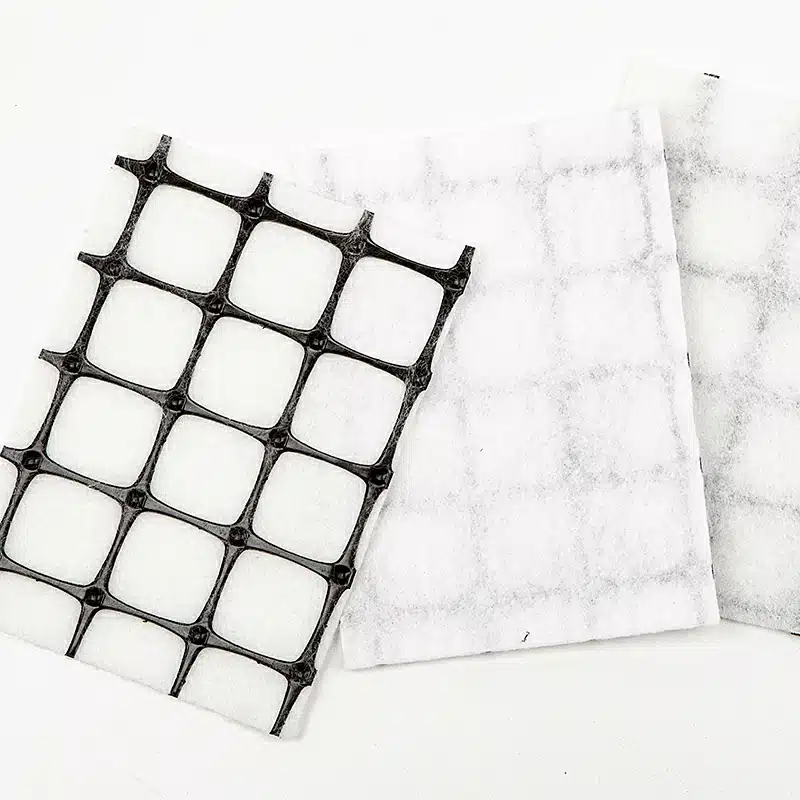
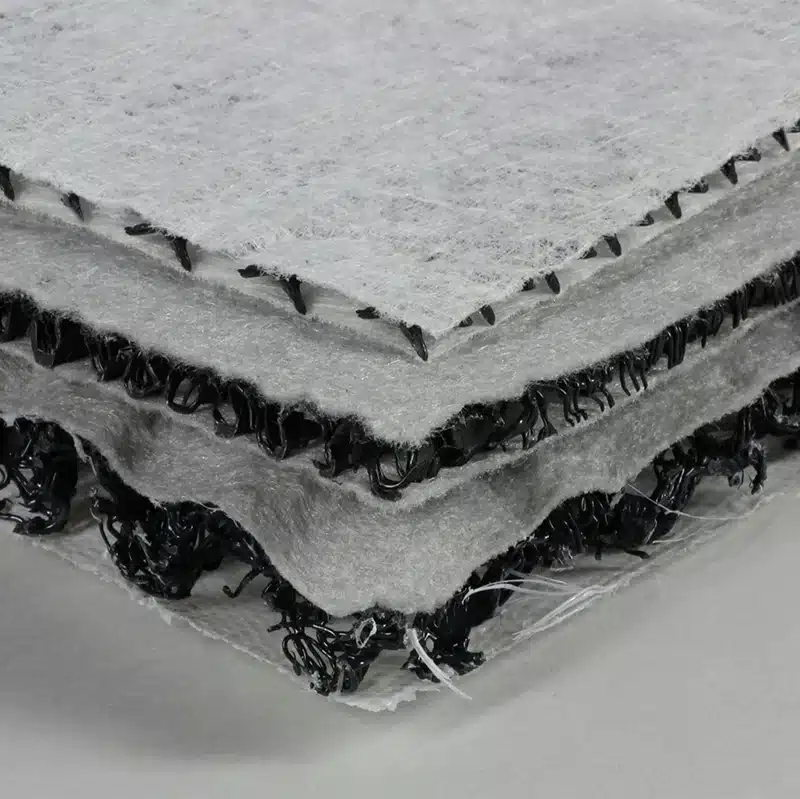
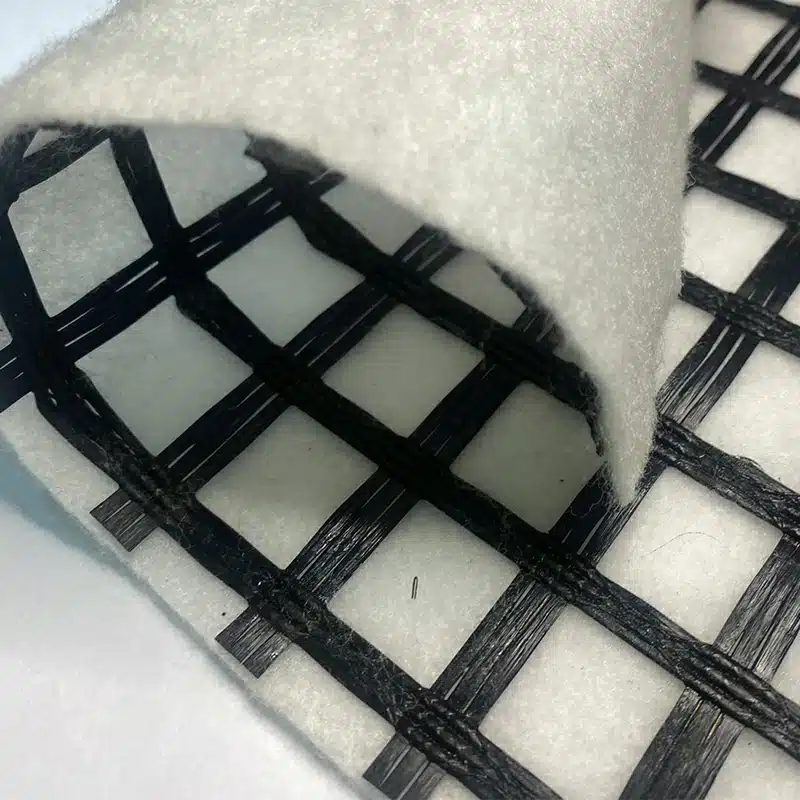
A geocomposite drain is a versatile drainage material often used in civil engineering to enhance the stability and longevity of structures like retaining walls. It’s crafted from layers of geotextiles, geonets, or geomembranes, designed to collect and convey both liquids and gases. This efficient system not only channels away water but also filters out soil and debris, reducing hydrostatic pressure and preventing water buildup that can weaken or damage the wall.
What is the best drainage for a retaining wall?
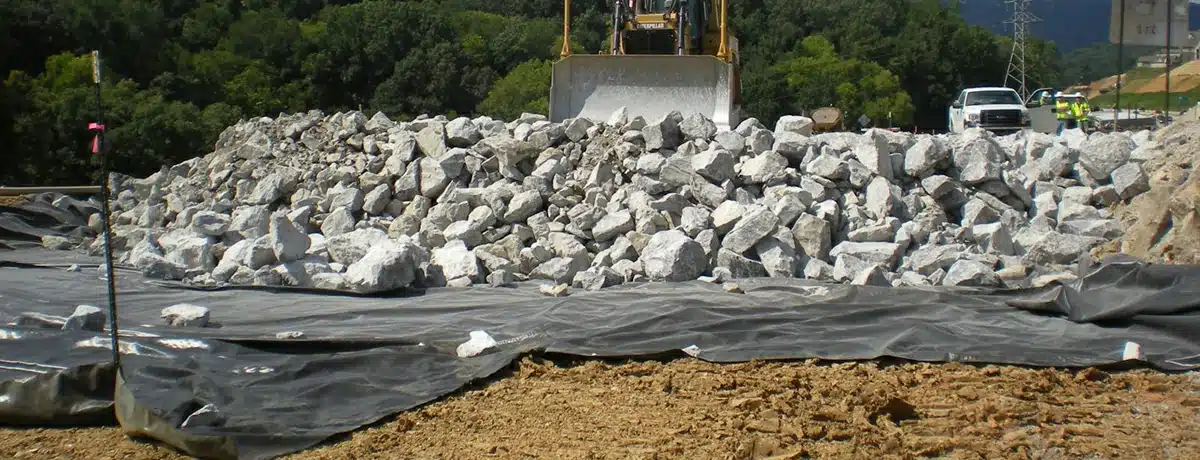
For optimal retaining wall drainage, consider your soil, climate, wall height, and budget. Geocomposite drainage systems are highly efficient, durable, and easy to install, making them a top choice. They ensure consistent drainage, lessen hydrostatic pressure, and safeguard against water damage. Plus, they’re light and adaptable for different wall types. To enhance this, make sure your landscaping contractor backfills at least a foot of space behind the wall with gravel for added protection and drainage efficiency.
Do you always need drainage behind the retaining wall?
Most retaining walls, especially those over 3-4 feet or in wet areas, need drainage to prevent water buildup and structural damage. Yes, which means you need backfill too. Drainage reduces hydrostatic pressure and the risk of water damage, benefiting even smaller walls. It’s best to evaluate your site’s specific conditions and consult a professional to understand the required drainage and backfill for your wall.
How does a geocomposite drainage system extend the life of a retaining wall?
A geocomposite drainage system extends the life of a retaining wall by efficiently managing water flow and reducing hydrostatic pressure against the structure. It acts as a barrier, preventing soil erosion, waterlogging, and freeze-thaw cycles that can weaken the wall over time. By maintaining a dry and stable environment behind the wall, geocomposite drains mitigate the risks of cracking, bulging, or collapsing. Additionally, they are resistant to clogging and biological degradation, ensuring long-term performance and less need for maintenance or repairs.
Geocomposite drainage retaining walls represent a significant advancement in engineering and construction, offering a robust solution for managing hydrostatic pressure and ensuring the longevity of structures. By understanding the role and benefits of geocomposite drains, selecting the appropriate drainage system, and recognizing the importance of drainage in retaining wall construction, engineers and builders can enhance the stability, efficiency, and durability of their projects. Whether in residential landscaping or large-scale civil engineering, incorporating geocomposite drainage systems is a wise investment in the future of infrastructure.


Comments
Post a Comment