Revolutionize Your Gardening with Geotextile Fabric Plant Pots
Discover the innovative world of geotextile fabric plant pots, a game-changer in modern gardening. This article explores the unique properties and benefits of geotextile fabric for pots, addressing common questions about its usage, effectiveness, and impact on plant health. Whether you’re a seasoned gardener or a beginner, understanding how geotextile fabric can enhance your planting experience is essential.
What is Geotextile Fabric for Pots?
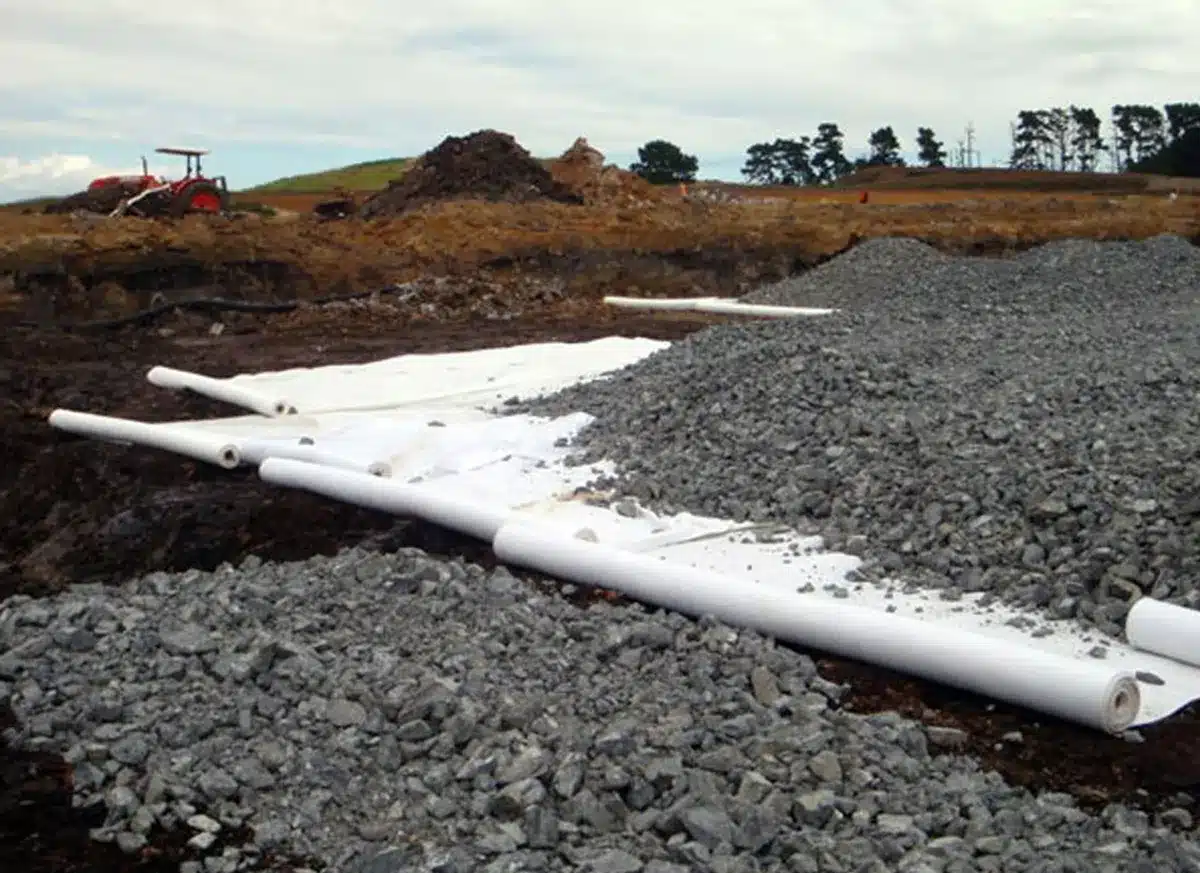
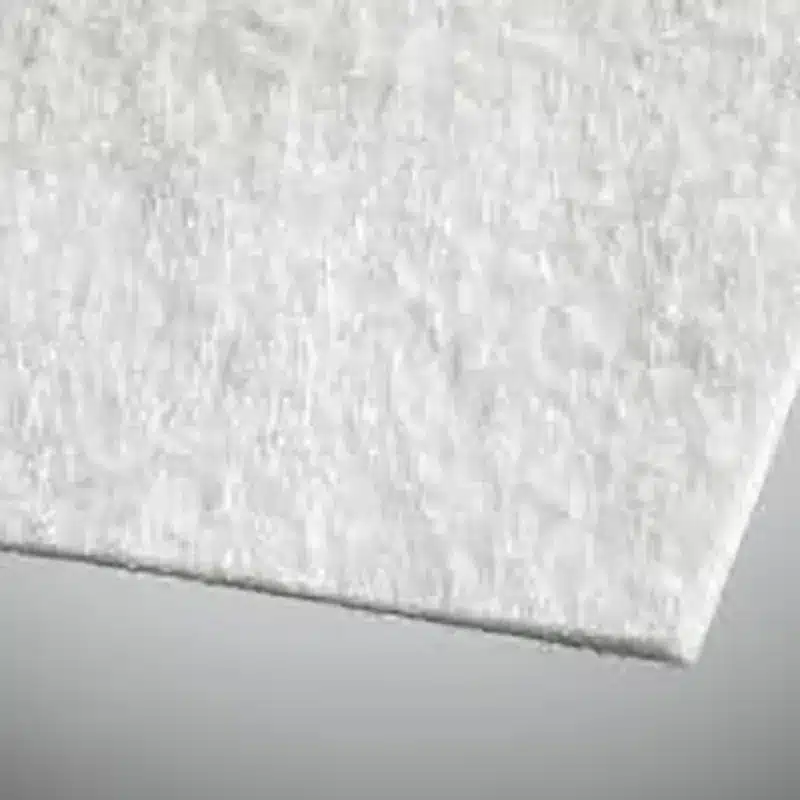
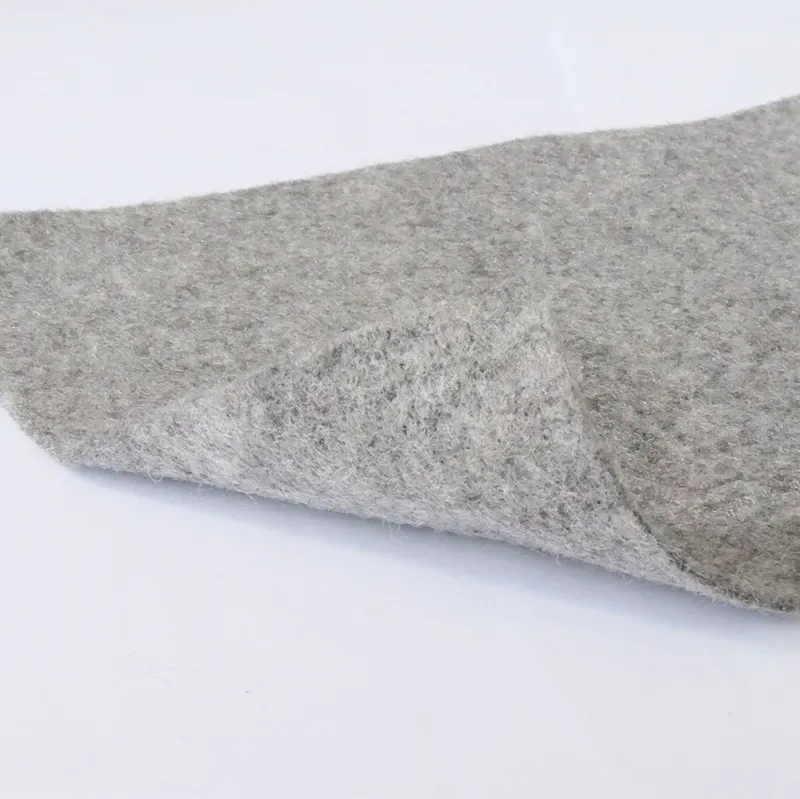
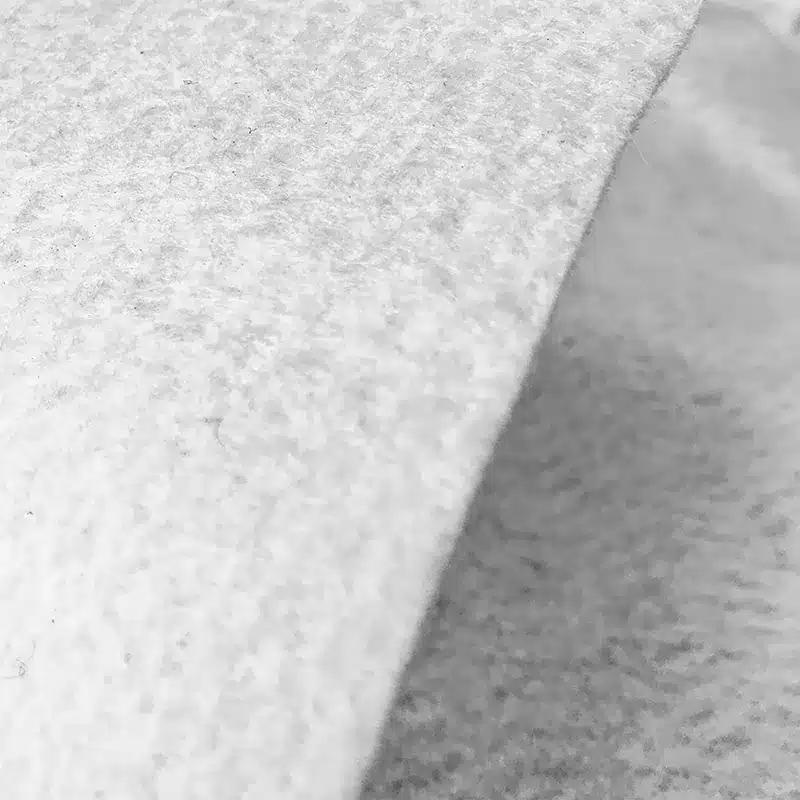
Geotextile fabric, which can be cut to order and is highly durable and porous, allowing air to penetrate to the root zone and promote optimal drainage, creating an optimal living environment for the plants, is a permeable material typically made from polypropylene or polyester. Its extensive use in landscaping and agricultural applications is well-founded. When utilized for plant pots, this fabric provides a unique blend of durability, breathability, and superior water drainage. It fosters a healthy root environment by enabling air and moisture to permeate effectively, while also preventing soil erosion and efficiently containing the root system.
Can Roots Grow Through Geotextile Fabric?
Yes, roots can grow through geotextile fabric, but typically in a very limited and controlled manner, where root growth and penetration may be impeded but not prevented entirely. The fabric’s permeable nature allows roots to access necessary air and water, yet its density and strength usually prevent roots from penetrating completely through the material. This characteristic is crucial in creating a healthy root system while minimizing the risk of root circling or becoming pot-bound, which are common issues in traditional pots.
How Does Geotextile Fabric Benefit Plant Health?
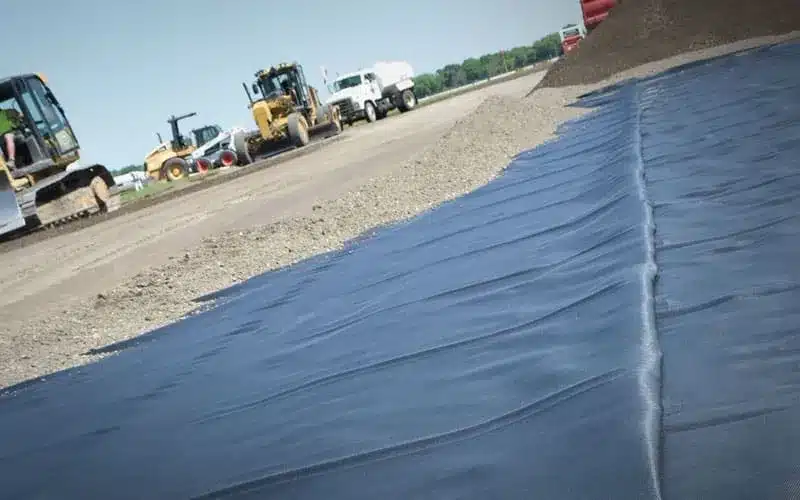
- Improved Air Circulation: The breathable nature of the fabric ensures adequate airflow to the roots, which is crucial for the prevention of fungal diseases and root rot.
- Better Water Management: It allows excess water to drain away quickly while retaining adequate moisture, reducing the risk of overwatering.
- Temperature Regulation: The fabric can help insulate roots from extreme temperatures, both hot and cold.
- Reduced Root Disturbance: When transplanting, the fabric can be easily cut and removed, or planted directly into the ground, minimizing root disturbance.
Are Geotextile Fabric Pots Environmentally Friendly?
Geotextile fabric pots are generally considered environmentally friendly due to several factors. Firstly, they are often made from recycled materials, reducing waste. Secondly, their durability means they can be reused multiple times, unlike traditional plastic pots. Additionally, their permeability and insulation properties contribute to more efficient water and resource use, which is beneficial for sustainable gardening practices. However, it’s important to note that the environmental impact can vary based on the specific type of geotextile fabric used and its disposal method.
In conclusion, geotextile fabric plant pots offer an innovative solution for gardeners seeking sustainable, efficient, and plant-friendly alternatives to traditional potting methods. Their unique properties cater to a healthier root system, contributing to overall plant health and growth. As the gardening community continues to evolve, embracing such eco-friendly and effective options will be key to a greener future.


Comments
Post a Comment