PVC Geomembrane: Flexible Solutions for Tough Environments
PVC geomembrane is a critical component in various construction and environmental projects, offering a robust solution for waterproofing and containment. This article provides an in-depth understanding of PVC geomembrane, its unique properties compared to other materials like HDPE, and other essential aspects to consider when choosing the right geomembrane for your project.
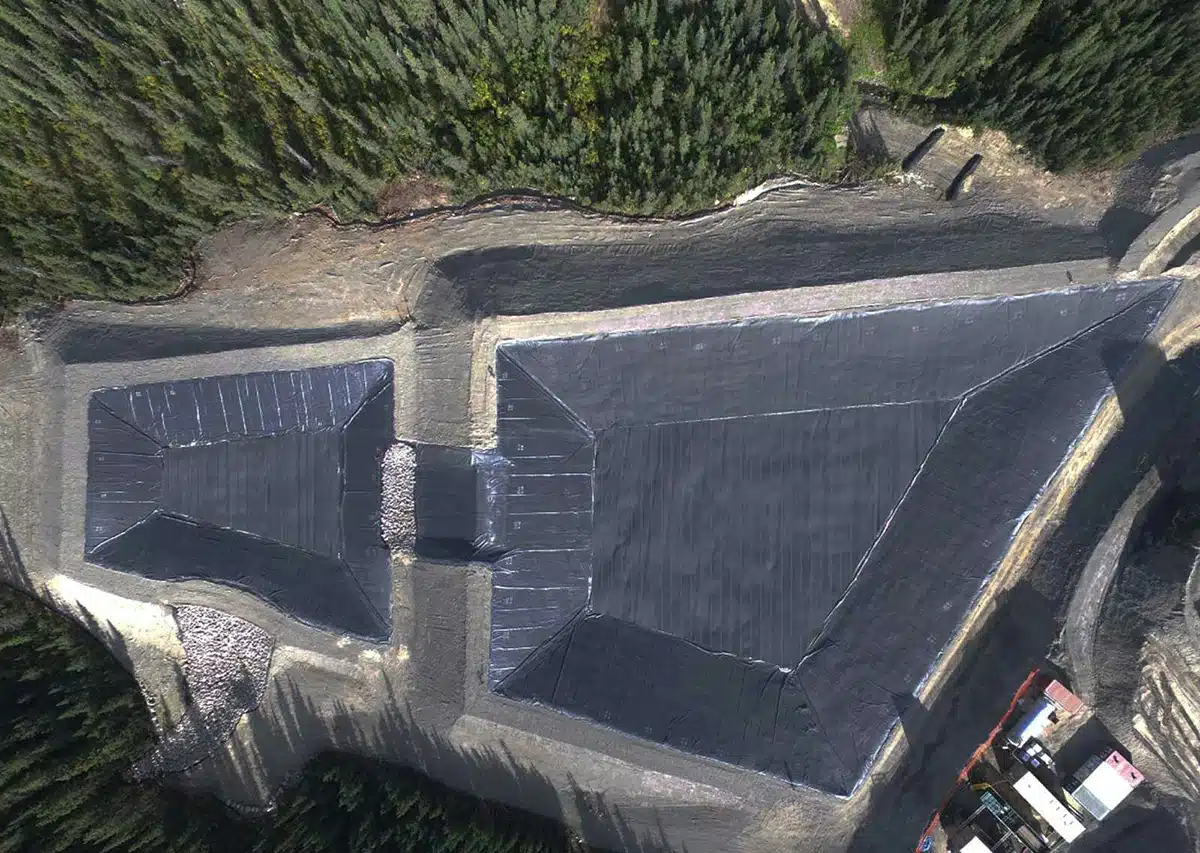
What is PVC Geomembrane?
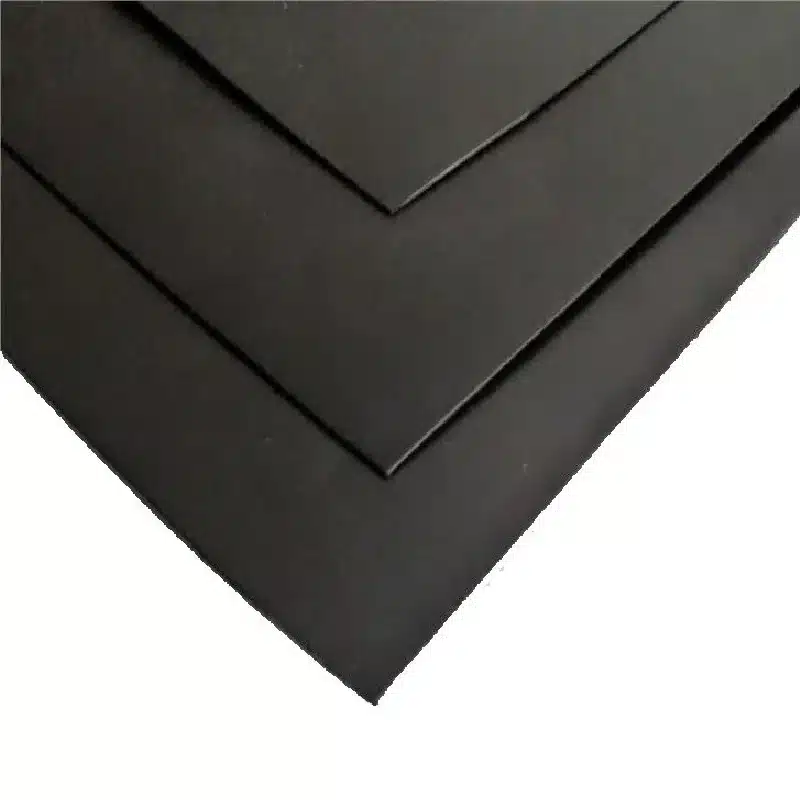
Our highly flexible thermoplastic waterproofing geomembrane is manufactured from a mixture of vinyl compounds, plasticizers, and stabilizers. This durable PVC-based material is perfect for a wide range of applications requiring chemical resistance and adaptability. Its robust nature makes it ideal for water reservoirs, roofing, landfill liners, and tunnel linings. The product’s versatility allows it to effortlessly conform to uneven terrains and diverse structures, ensuring a reliable waterproofing solution for even the most challenging projects.
What is the difference between HDPE and PVC geomembrane?
PVC geomembranes are flexible and relatively easy to handle, adapting well to irregular shapes and are ideal for projects needing tight seals, such as in water or gas containment. They are also more cost-effective and can be treated for UV resistance, making them a popular choice for exposed areas. However, they may not perform as well in extreme temperatures or in situations demanding very high chemical resistance. On the other hand, HDPE geomembranes are tough and non-flexible, boasting high tensile strength and excellent chemical resistance, suitable for environments with significant chemical exposure but less adaptable to uneven surfaces.
How is the PVC Geomembrane Installed?
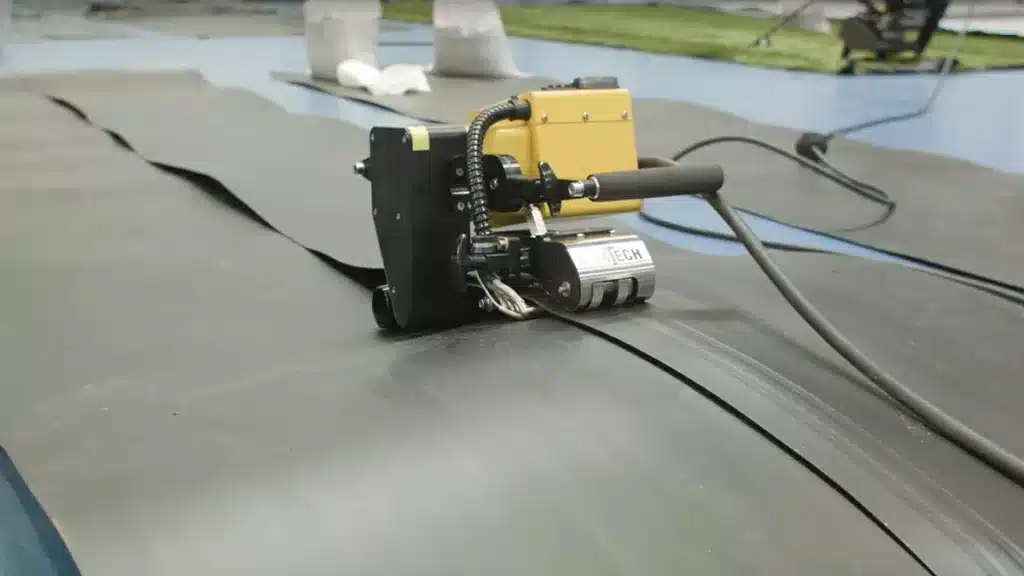
PVC geomembrane installation is a critical process that involves site preparation, deployment, seaming, and testing. Initially, the site is prepared to ensure a smooth, clean surface free of sharp objects. The geomembrane is then rolled out and positioned according to the project’s specifications. Seams are typically welded together using hot air or hot wedge techniques, creating a continuous, impermeable barrier. Finally, the installation is tested for quality assurance, often involving air pressure or vacuum testing to ensure the seams are secure and there are no leaks.
What are the Environmental Considerations of Using PVC Geomembrane?
When considering PVC geomembrane for environmental projects, it’s important to understand its impact and sustainability. PVC is a type of plastic, and while it is durable and resistant to chemicals, it is not biodegradable. However, modern PVC formulations can be made more environmentally friendly through the use of plasticizers and stabilizers that are less harmful. Additionally, the longevity and effectiveness of PVC geomembrane in preventing leaks and contamination can significantly mitigate environmental risks associated with waste or water containment. Recycling and proper disposal of PVC geomembrane are also critical to minimizing its environmental footprint. As with any construction material, considering the full lifecycle, including production, usage, and disposal, is crucial for understanding its environmental impact.
By understanding the properties, differences, installation techniques, and environmental considerations of PVC geomembrane, stakeholders can make informed decisions for their specific needs, ensuring the longevity and success of their projects. Whether it’s for water containment, waste management, or other applications, PVC geomembrane offers a flexible and durable solution that can be tailored to a wide range of environmental conditions and requirements.


Comments
Post a Comment