Maximize Slope Stability: Understanding the Role of Geocell Technology
Geocell slope protection is an innovative technology designed to stabilize and protect slopes from erosion and other forms of degradation. This article delves into the intricacies of geocell technology, exploring its definition, applications, limitations, and overall purpose in slope management. By addressing common inquiries about geocell slope protection, we aim to provide a comprehensive understanding of how this technology contributes to more sustainable and secure land management practices.
What is geocell in slope protection?
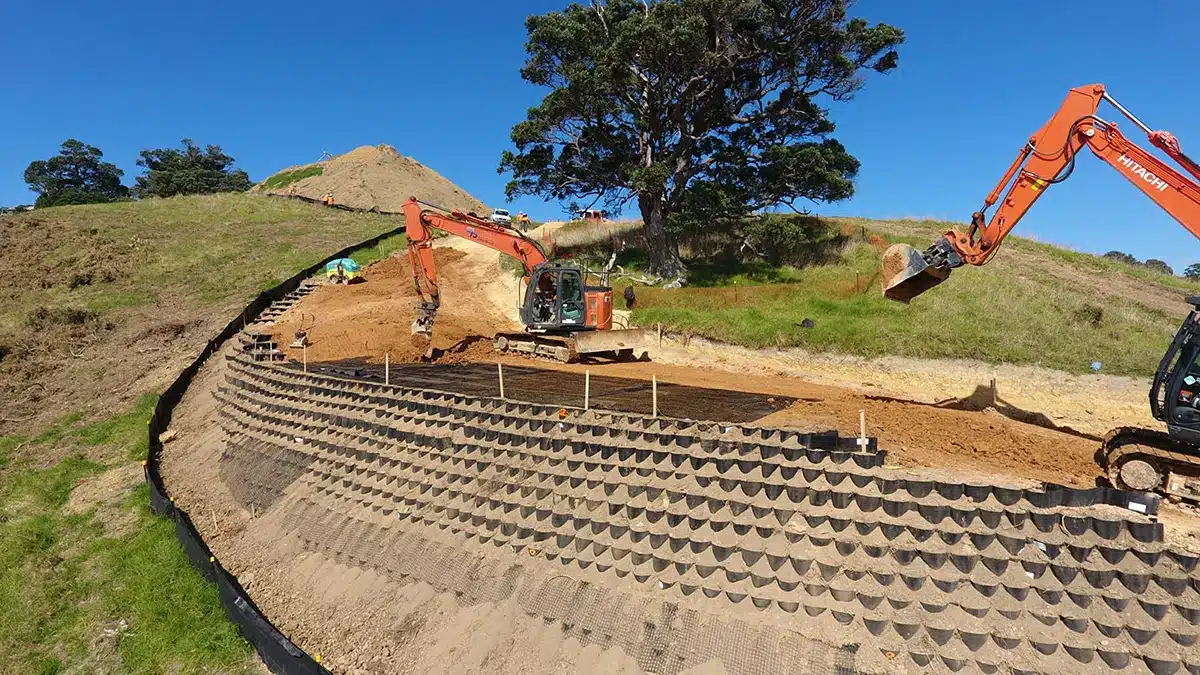
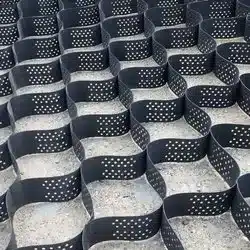
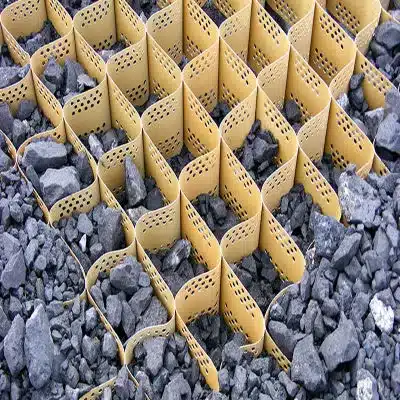
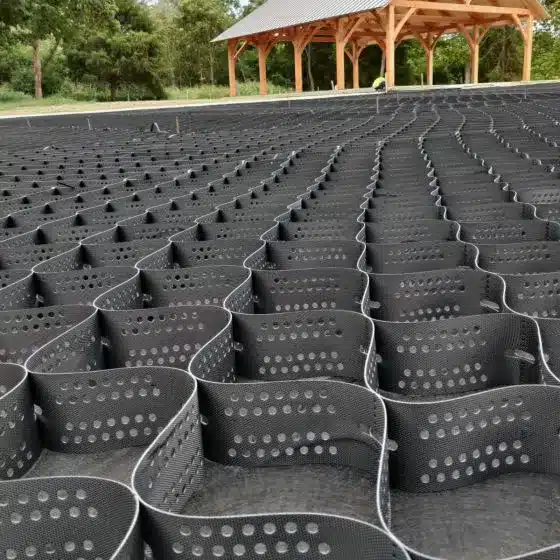
Geocell is a three-dimensional, honeycomb-like structure crafted from materials like high-density polyethylene or polypropylene. It’s employed to protect slopes from erosion and assist in stabilizing the surface. By confining soil within its cellular system, geocell creates a stable layer that evenly distributes weight and anchors the soil, even on steep inclines. This process not only guards against erosion but also bolsters the overall stability of the slope, promoting healthier vegetation growth and maintaining structural integrity.
What is the maximum slope for geocell?
Geocell is designed to stabilize slopes, with its effectiveness influenced by soil type, climate, and the specific product used. Typically, geocells are suitable for slopes up to 45 degrees, although they can sometimes be applied to even steeper areas for short-term projects or alongside other methods. For long-lasting stability, slopes are usually between 26.5 degrees and 18.4 degrees. Always consult a geotechnical engineer or specialist before using geocell on steep slopes to ensure it’s safe and will perform as needed.
What is the purpose of Geocell?
The primary purpose of geocell is to provide soil stabilization and erosion control, especially on slopes where these issues are prevalent. By confining the soil, geocells reduce erosion caused by water runoff and wind. They also increase the load-bearing capacity of the soil, making the area more stable and suitable for various uses, including roads, embankments, and construction sites. Additionally, geocells are used to promote vegetation growth on slopes by providing a stable environment for plant roots, which further aids in soil retention and reduces erosion naturally.
How does geocell contribute to environmental sustainability?
Geocell technology contributes to environmental sustainability in several ways. Firstly, it promotes vegetation growth, which is crucial for ecological restoration and habitat creation. The stable base provided by geocells allows plants to take root and flourish, even on steep slopes, helping to reintegrate the area into the local ecosystem. Secondly, by stabilizing soil and reducing erosion, geocells minimize sediment runoff into waterways, protecting aquatic habitats and improving water quality. Additionally, many geocell products are made from recycled materials and are designed for long-term use, reducing the need for frequent replacements and minimizing waste. Lastly, by enabling the use of local fill material, geocells reduce the carbon footprint associated with transporting materials to the site, further contributing to environmental sustainability goals.
In conclusion, geocell slope protection is a versatile and effective solution for managing and stabilizing slopes. By understanding its application, limitations, and benefits, stakeholders can make informed decisions that lead to safer, more sustainable, and cost-effective land management practices. Whether for infrastructure development, landscape restoration, or erosion control, geocell technology offers a promising approach to addressing some of the most challenging issues in slope management and environmental conservation.


Comments
Post a Comment