Exploring the World of Geosynthetic Structures: Applications, Sustainability, and More
This article delves into the fascinating realm of geosynthetic structures, a key component in modern engineering and environmental solutions. We explore what geosynthetics are, their purposes, examples, and sustainability aspects.
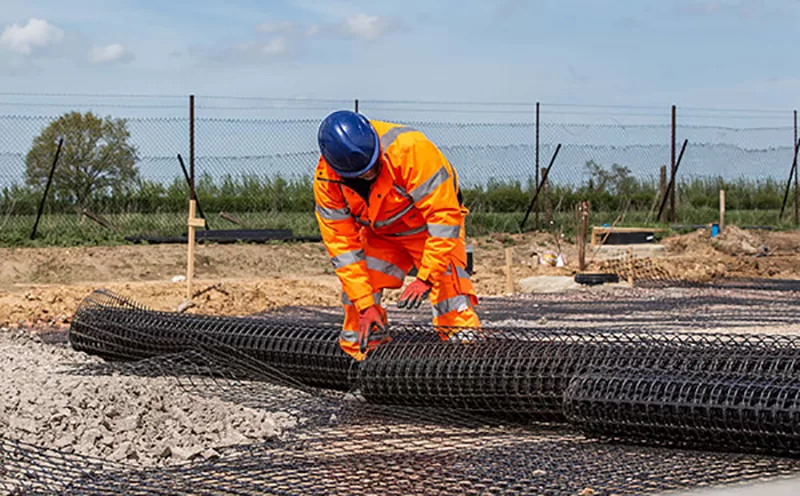
What is an example of a geosynthetic?
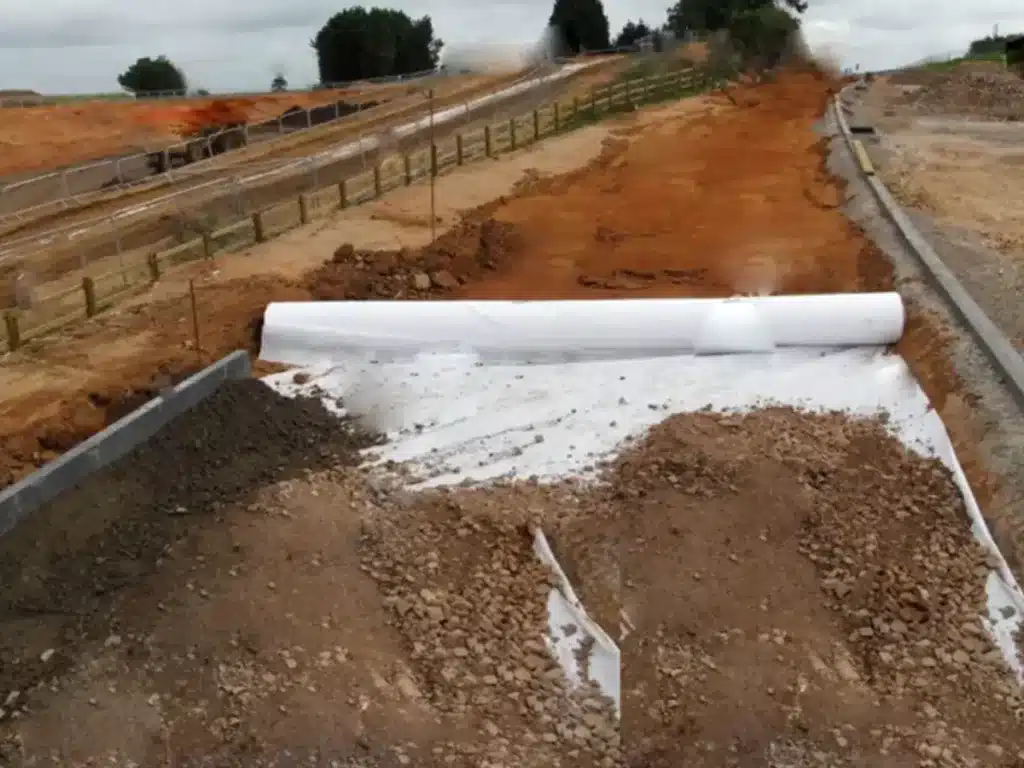
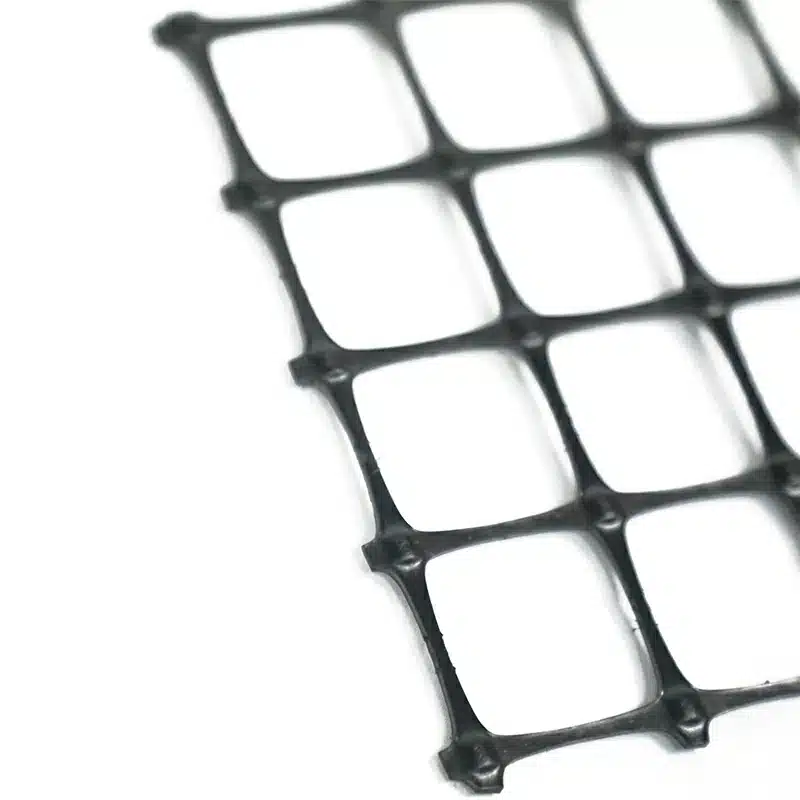
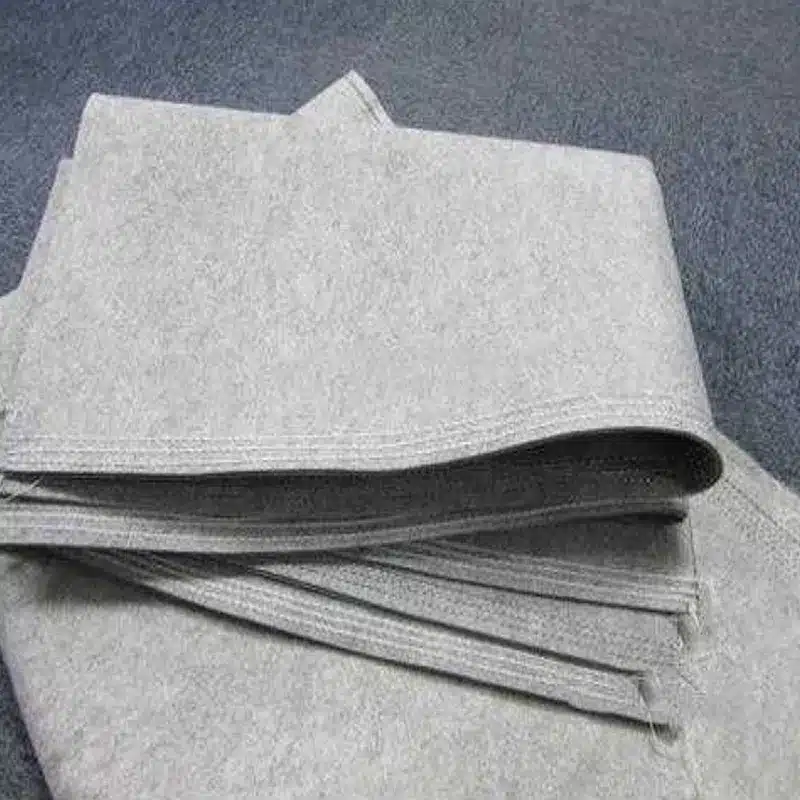
Geosynthetics, essential in construction and engineering, include diverse synthetic materials. Key types are laminated PVC membranes, produced through calendering methods, and both woven and nonwoven fabrics with spread-coated impermeable layers. These materials are widely used for soil separation, filtration, reinforcement, protection, and drainage. Additionally, sheathed high-tenacity fiber bundles are also integral, offering unique functions in various construction and environmental applications.
What is the purpose of geosynthetics?
Geosynthetics serve multiple purposes in construction and environmental applications.
- Separation: Preventing the mixing of different soil layers.
- Reinforcement: Enhancing the strength and stability of soil.
- Filtration: Allowing water to pass while preventing soil erosion.
- Drainage: Facilitating the flow of fluids in construction projects.
- Protection: Providing a barrier to protect against mechanical damage.
Are geosynthetics sustainable?
Geosynthetics are increasingly viewed through the lens of sustainability. They offer several environmental benefits:
- Durability: Long lifespan reduces the need for frequent replacements.
- Resource Efficiency: They often require less raw material than traditional construction methods.
- Carbon Footprint: Their lightweight nature leads to lower transportation and installation emissions.
- Recyclability: Many geosynthetic products are recyclable, contributing to a circular economy.
How do geosynthetic structures contribute to modern engineering and construction?
- Cost-Effectiveness: They often provide more economical solutions compared to traditional materials.
- Versatility: Suitable for a wide range of applications, from roads and bridges to dams and coastal defenses.
- Innovation: They encourage innovative approaches to complex engineering challenges.
- Environmental Protection: Geosynthetics play a crucial role in environmental protection projects, such as erosion control and landfill containment.
Their adaptability and effectiveness in diverse scenarios make geosynthetics a cornerstone of modern construction and environmental engineering.



Comments
Post a Comment