Weed Geotextile: Effective Barrier for Landscaping
Weed geotextile, a specialized fabric, serves as a barrier to curb unwanted weed growth in various landscaping and agricultural applications. This article explores the effectiveness of geotextile fabric in halting weed proliferation, its uses, necessary considerations, and its impact on gardening and cultivation.
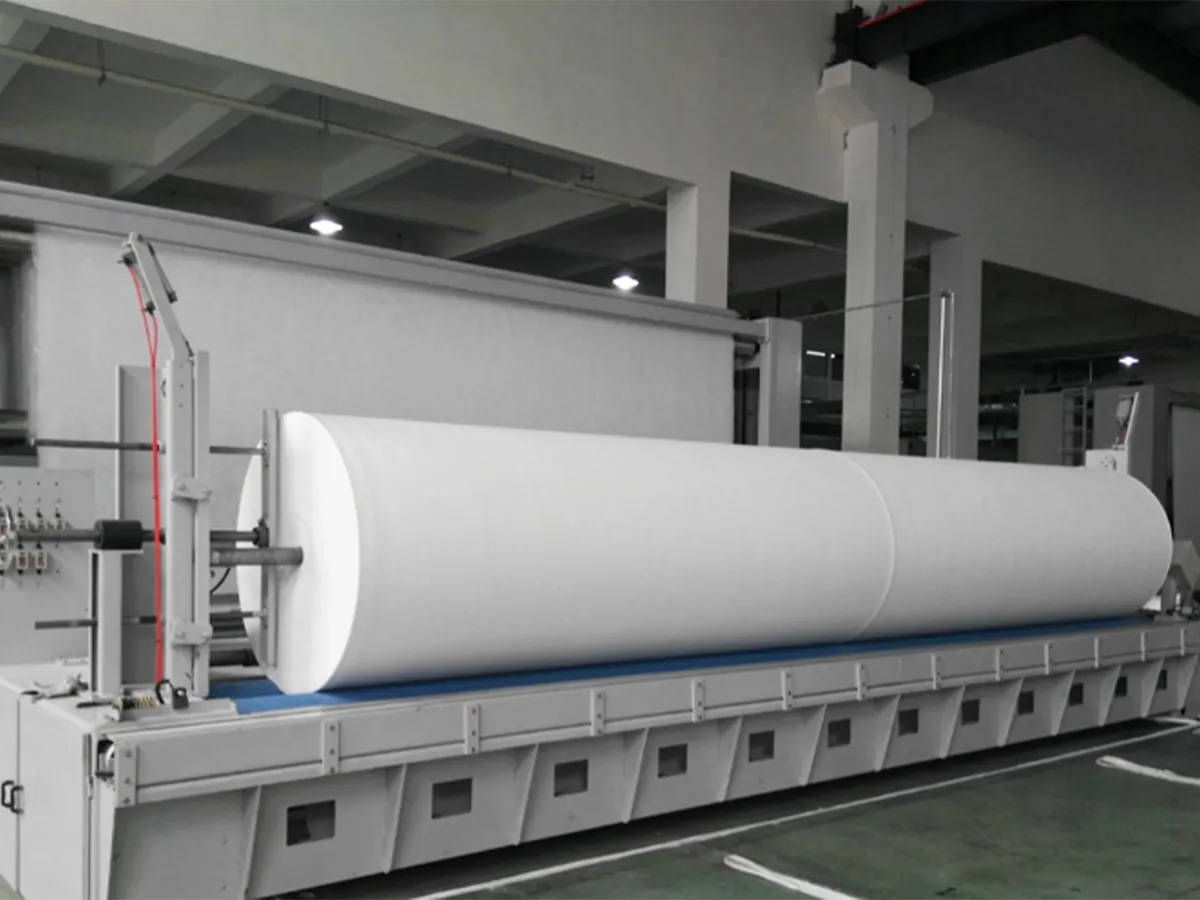
Does geotextile fabric stop weeds?
Sure, here’s a simplified version:
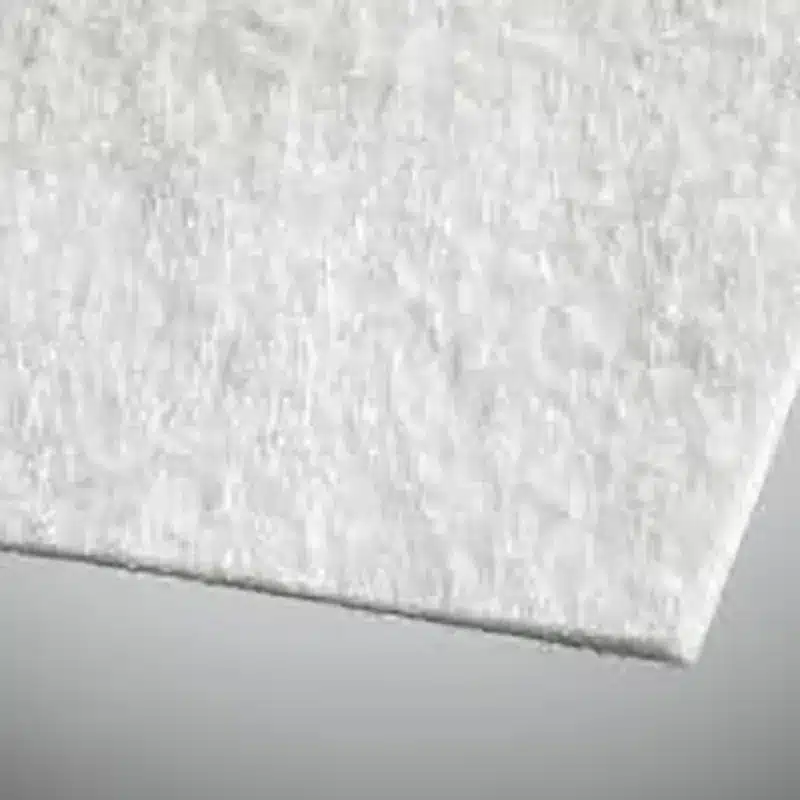
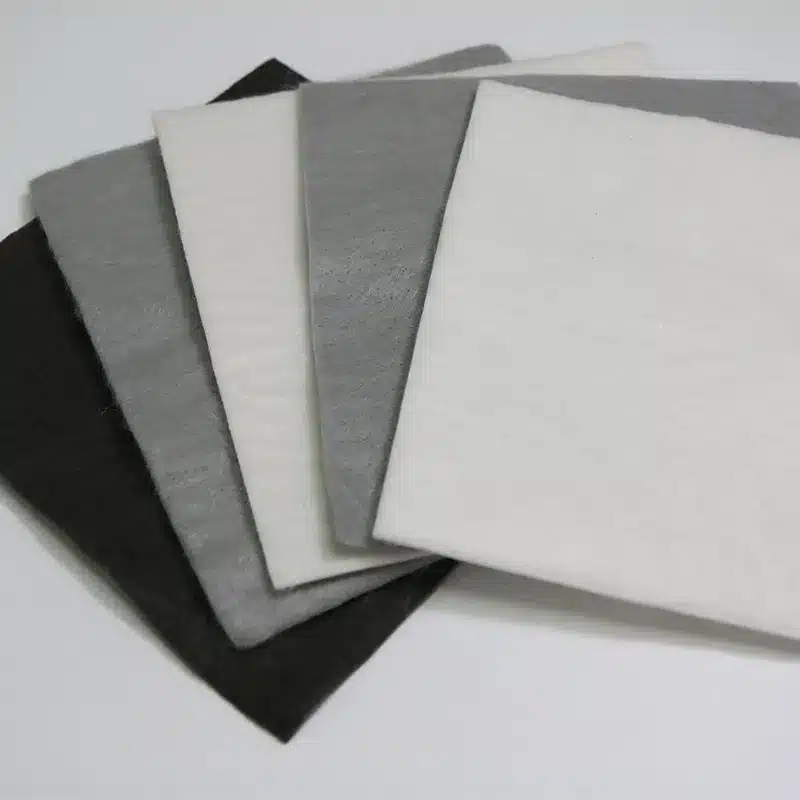
Weed geotextile is a great barrier against weeds. Its structure blocks weed seeds from growing by stopping light, yet it allows air, water, and nutrients to nourish the soil for healthier plants. It works well alone or with gravel/chippings to suppress weed growth.
How does weed geotextile impact gardening and cultivation practices?
Weed geotextile simplifies gardening by reducing the need for constant weeding, minimizing labor and time spent on maintenance. In cultivation, it fosters healthier plant growth by controlling weeds without affecting soil structure or impeding essential nutrients and water flow.
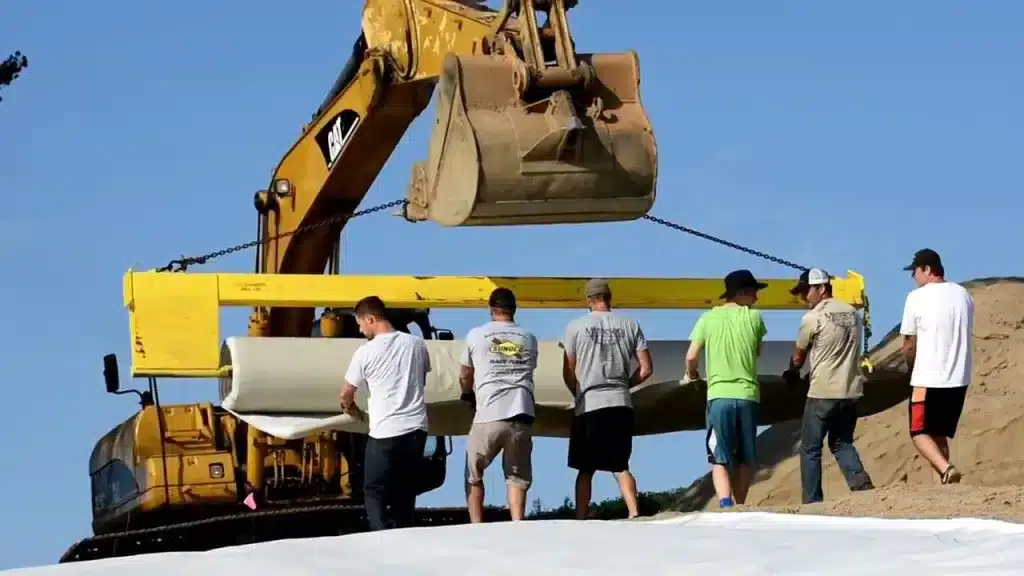
How does weed geotextile differ from traditional weed control methods?
Weed geotextile is a specialized fabric designed to control weeds by suppressing their growth while allowing water and nutrients to pass through to the soil. It differs from traditional weed control methods in several ways:
- Mechanical Barrier: Weed geotextile acts as a physical barrier, preventing weed growth by blocking sunlight. Traditional methods often involve manual removal or chemical solutions that kill existing weeds.
- Breathability: Geotextiles are permeable, allowing water and air to penetrate the soil, maintaining soil health. Some traditional methods, like plastic sheeting or mulching, may hinder water and air circulation.
- Durability: Geotextiles are typically more durable and longer-lasting compared to organic mulches or barriers like cardboard or newspaper used in traditional methods.
- Reduced Maintenance: Once installed, weed geotextiles often require less maintenance compared to regular weeding or reapplication of organic mulches.
- Erosion Control: Geotextiles can also help in preventing soil erosion by stabilizing the soil while controlling weed growth, a feature not commonly addressed by traditional methods.
- Chemical-Free Approach: Many geotextiles offer a chemical-free approach to weed control, which can be appealing to those looking to avoid herbicides or other chemicals.
What are the common applications of weed geotextile in landscaping and agriculture?
Weed geotextiles find various applications in landscaping and agriculture due to their effectiveness in weed control and soil stabilization. Here are some common applications:
- Gardens and Flower Beds: Geotextiles are often used underneath mulch in garden beds or flower gardens to prevent weed growth while allowing water and nutrients to reach the plants.
- Vegetable Gardens: They can be applied in vegetable gardens to control weeds around crops, promoting healthier plant growth and reducing the need for constant weeding.
- Pathways and Walkways: Geotextiles are used as a barrier under gravel or other materials in pathways and walkways to inhibit weed growth while maintaining a stable surface.
- Nurseries and Tree Plantations: These fabrics are employed in nurseries and tree plantations to control weeds around young plants and trees, aiding in their early growth stages.
- Erosion Control: Geotextiles are utilized on slopes or areas prone to erosion to stabilize the soil, prevent weed growth, and promote vegetation establishment.
- Landscaping Projects: During landscaping projects, geotextiles are used under mulch, rocks, or other ground covers to create low-maintenance areas that deter weed growth.
- Greenhouses and Nursery Containers: Geotextiles can be used in containers and greenhouses to inhibit weed growth while facilitating water drainage and air circulation.
- Orchards and Vineyards: They are applied in orchards and vineyards to control weeds around trees or vines, improving water and nutrient absorption by the plants.



Comments
Post a Comment