Unveiling the Benefits of Non-Woven Geotextile Fabric for Pavers
Non-woven geotextile fabric for pavers is an essential component in modern construction and landscaping projects. This versatile material provides stability, prevents soil erosion, and enhances the longevity of pavers. In this article, we’ll explore the requirements for using non-woven geotextile fabric to help you better understand its applications and benefits.
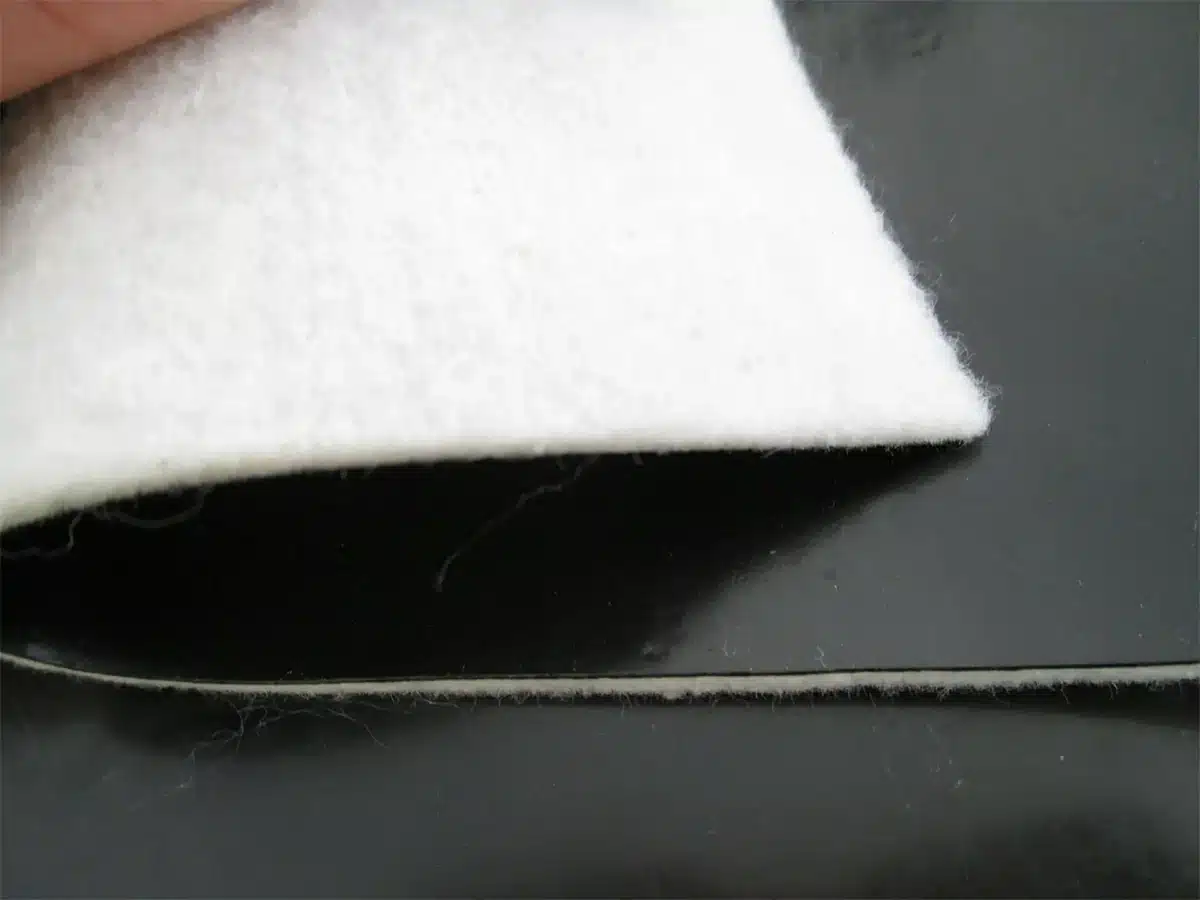
What is the role of non-woven geotextile fabric in paver projects?
Non-woven geotextile fabric serves several key functions:
- Separation: One of its primary roles is to act as a barrier between the subsoil and the base material used for the paver installation. By preventing the two from mixing, the geotextile fabric ensures that the base material remains stable and uniform. This separation minimizes settling and rutting, which can occur when subsoil infiltrates the base material.
- Filtration: Non-woven geotextile fabric also functions as a filtration layer. It allows water to pass through while blocking the passage of fine soil particles. This filtration prevents clogging and maintains efficient drainage, ensuring that water does not accumulate beneath the pavers, which can lead to issues like erosion and heaving.
- Reinforcement: The fabric reinforces the base layer of pavers by distributing loads more evenly across the surface. This reinforcement helps reduce the stress on the base material, thereby increasing the load-bearing capacity and preventing the formation of ruts or depressions over time.
- Erosion Control: In outdoor projects, especially in areas prone to erosion, non-woven geotextile fabric can be instrumental in preventing soil erosion. By stabilizing the base material and promoting proper drainage, it mitigates the risk of erosion caused by water runoff.
- Durability and Longevity: By facilitating the separation, filtration, and reinforcement of the paver base, non-woven geotextile fabric significantly extends the lifespan of the paver installation. It reduces the need for maintenance and repairs, making it a cost-effective and sustainable choice.
What are the key factors to consider when choosing the right non-woven geotextile fabric for pavers?
When selecting geotextile fabric, consider factors such as weight, strength, and durability. The choice should be tailored to the specific project requirements, including the type of soil, expected traffic load, and environmental conditions.
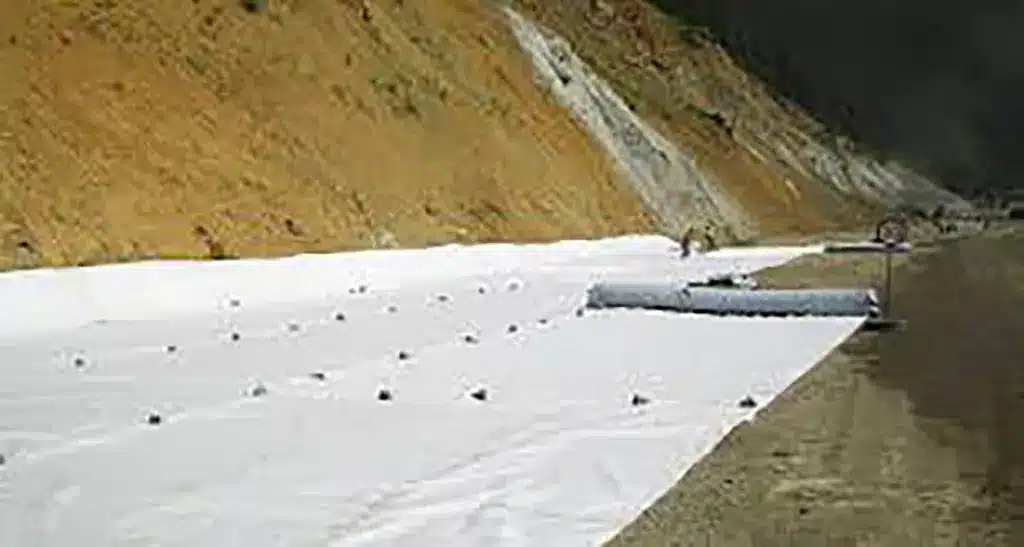
Can non-woven geotextile fabric be used in various paver applications?
Yes, non-woven geotextile fabric is highly versatile and can be used in various paver applications, including driveways, walkways, patios, and even larger infrastructure projects. It is suitable for both residential and commercial projects, offering stability and durability in diverse settings.
What are the steps for installing non-woven geotextile fabric for pavers?
The installation process typically involves the following steps:
- Prepare the base and sub-base layers as per your project specifications.
- Lay the non-woven geotextile fabric over the sub-base material.
- Trim the fabric to fit the paver area, ensuring there is a slight overlap for seamless coverage.
- Secure the fabric in place using landscape staples or other appropriate fasteners.
- Continue with the paver installation as per your project plan.
Incorporating non-woven geotextile fabric into your paver projects is a smart choice for improving their stability, durability, and sustainability. By following the requirements and guidelines mentioned in this article and considering the key factors during material selection, you can ensure a successful and long-lasting paver installation that stands the test of time.



Comments
Post a Comment