Geonets: The Key to Efficient Liquid Movement in Landfills
Leachate carrier geonets are an essential component in landfill management, playing a pivotal role in preventing environmental contamination. In this article, we will explore the world of geonets, their transmissivity, and how they contribute to safeguarding our environment.

What is a Geonet?
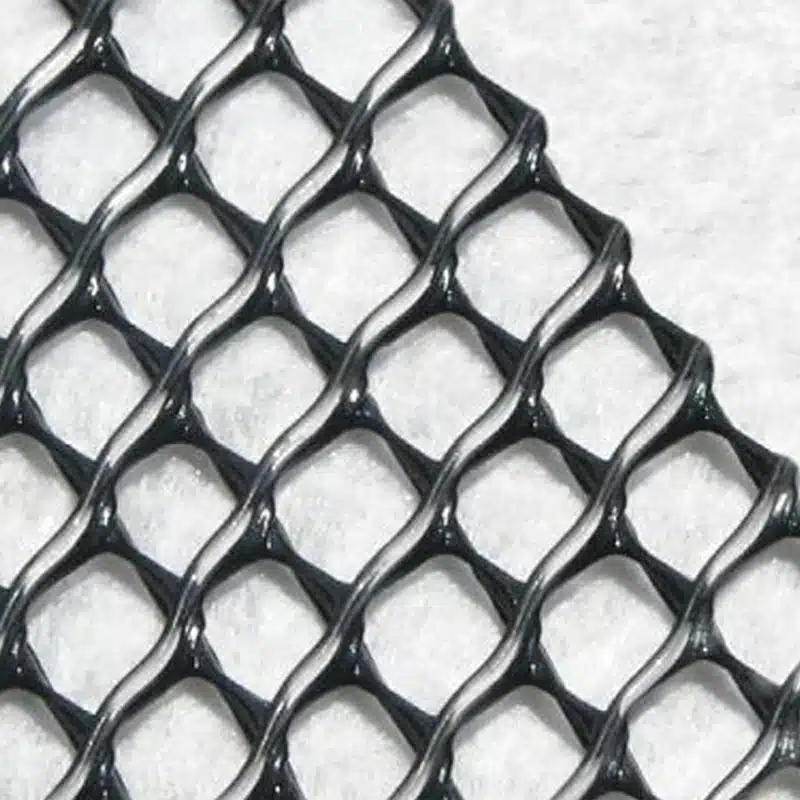
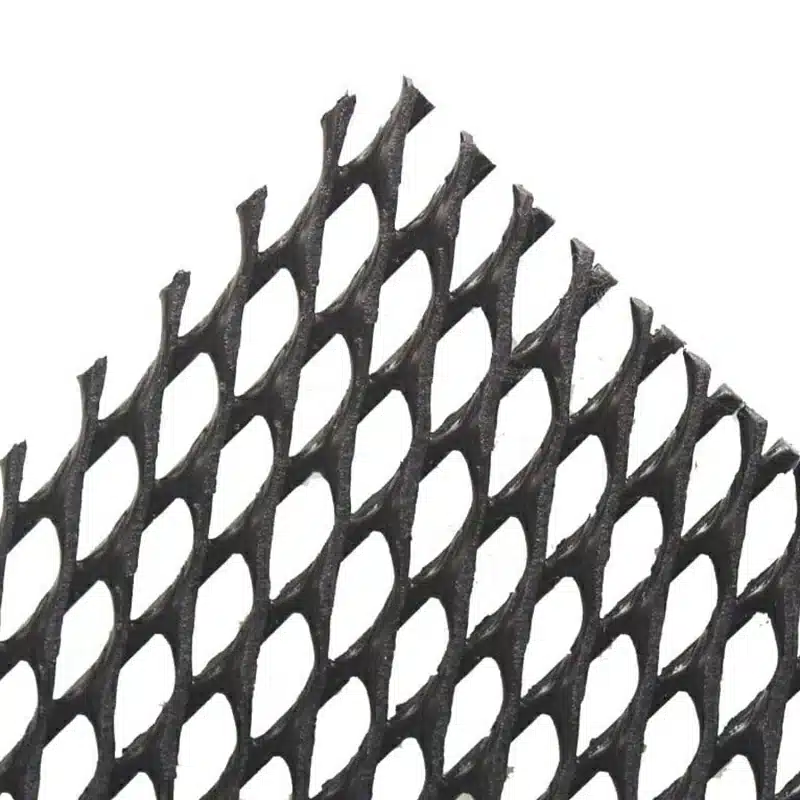
A geonet, or geosynthetic drainage net, is a crucial part of modern landfill systems. It’s a specialized material with a unique three-dimensional structure, made of high-density polyethylene (HDPE) or polypropylene. This structure offers several benefits:
- Efficient Liquid Movement: Geonets, with their interconnected ribs and grid-like design, are designed for effective drainage of liquids like leachate within landfills. This swift drainage helps maintain landfill stability and reduces the risk of contamination.
- Reinforcement: Geonets are often combined with other geosynthetic materials to reinforce landfill structures, preventing deformation and settling over time.
- Eco-Friendly: Geonets are environmentally friendly and can be recycled and reused in various construction projects, contributing to sustainability.
What is the Transmissivity of Geonet?
The transmissivity of a geonet refers to its ability to transmit fluids through its structure. It is a critical parameter in evaluating the performance of geonets in landfill applications. Transmissivity is typically measured in square meters per second (m2/s) and is a key indicator of how effectively a geonet can drain liquids.
Geonets with higher transmissivity values are more efficient at draining leachate and preventing its accumulation within the landfill. A higher transmissivity allows for faster leachate removal, reducing the risk of contamination and maintaining the landfill’s structural integrity.
How are Geonets Installed in Landfills?
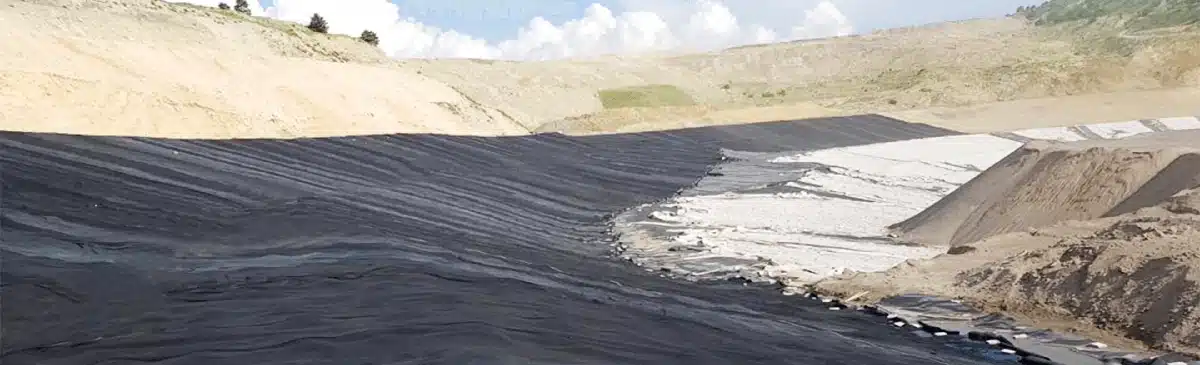
The installation of geonets in landfills involves a series of well-defined steps:
- Site Preparation: Before installation, the landfill area is carefully prepared, ensuring a stable base and proper grading.
- Geonet Placement: Geonets are rolled out on the prepared surface, forming a network of drainage channels. They are secured in place using staples or other appropriate methods.
- Covering and Overlapping: Multiple layers of geonets may be installed, and they should be overlapped to ensure continuous drainage pathways. The top layer is typically covered with a protective geotextile fabric.
- Waste Layer: After geonet installation, waste materials are added to the landfill, and geonets are placed between the different waste layers.
- Final Cover: The landfill is capped with a final cover system, which may include additional geosynthetic materials to further protect against leachate migration.
How Do Leachate Carrier Geonets Benefit the Environment?
- Contamination Prevention: By efficiently draining leachate and preventing its buildup, geonets reduce the risk of groundwater contamination and protect the surrounding ecosystem.
- Reduced Landfill Settlement: Geonets help maintain landfill stability, minimizing settlement and subsidence issues that can harm nearby structures and infrastructure.
- Sustainable Design: Geonets can be recycled and repurposed, promoting sustainable landfill management practices.
In conclusion, leachate carrier geonets are an integral part of responsible landfill management. They help safeguard our environment, prevent contamination, and ensure the long-term stability of landfill structures. Understanding their role and transmissivity is crucial for implementing effective waste management practices while minimizing environmental impact.



Comments
Post a Comment