Discovering Geocomposite Drains: Benefits & Applications
Geocomposite drains are revolutionizing the construction industry with their multifaceted functionality and efficiency. This article delves into the fundamentals of geocomposite drains, their advantages, essential considerations, and their pivotal role in modern construction projects.
What is a geocomposite drain?
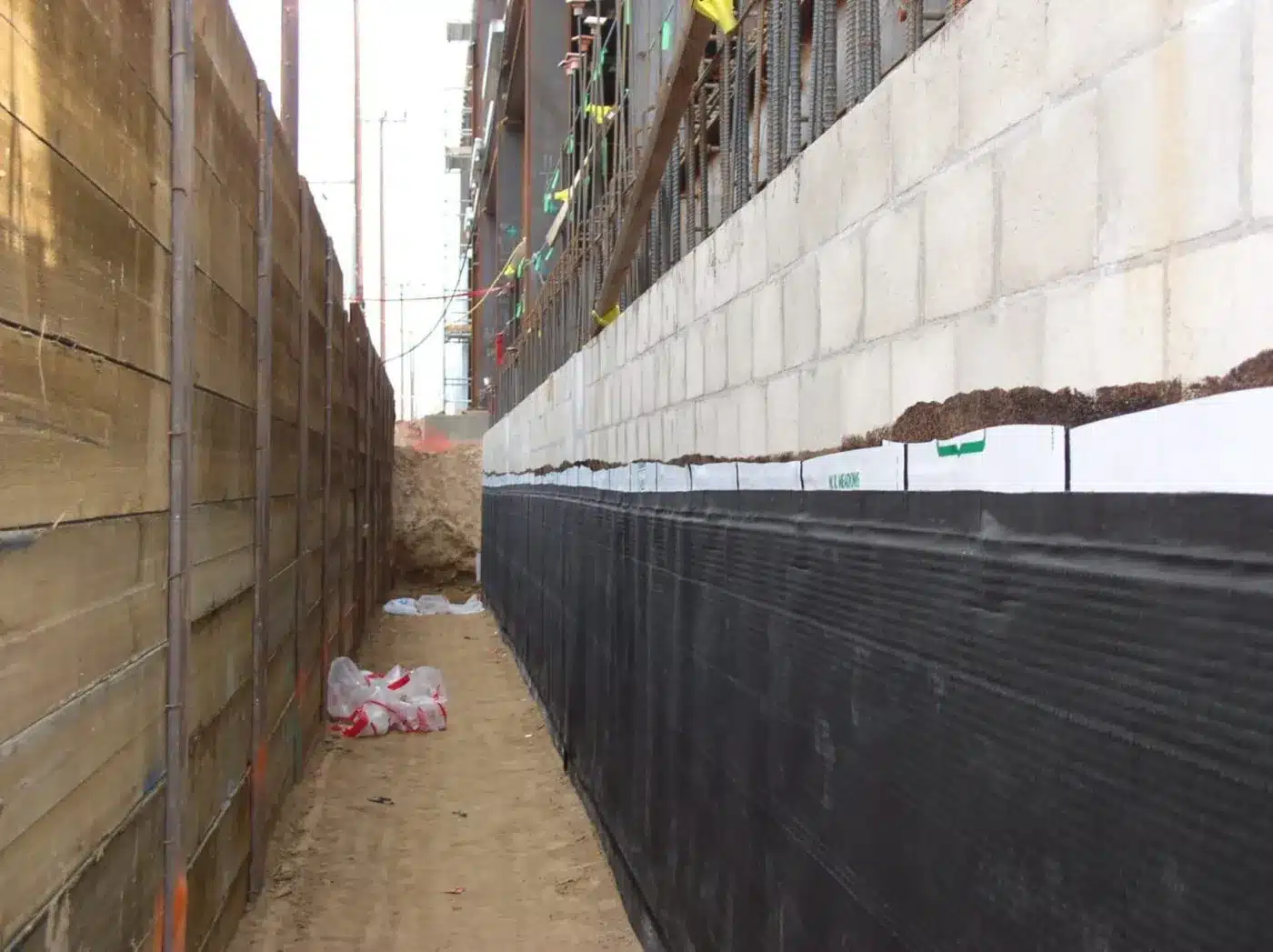
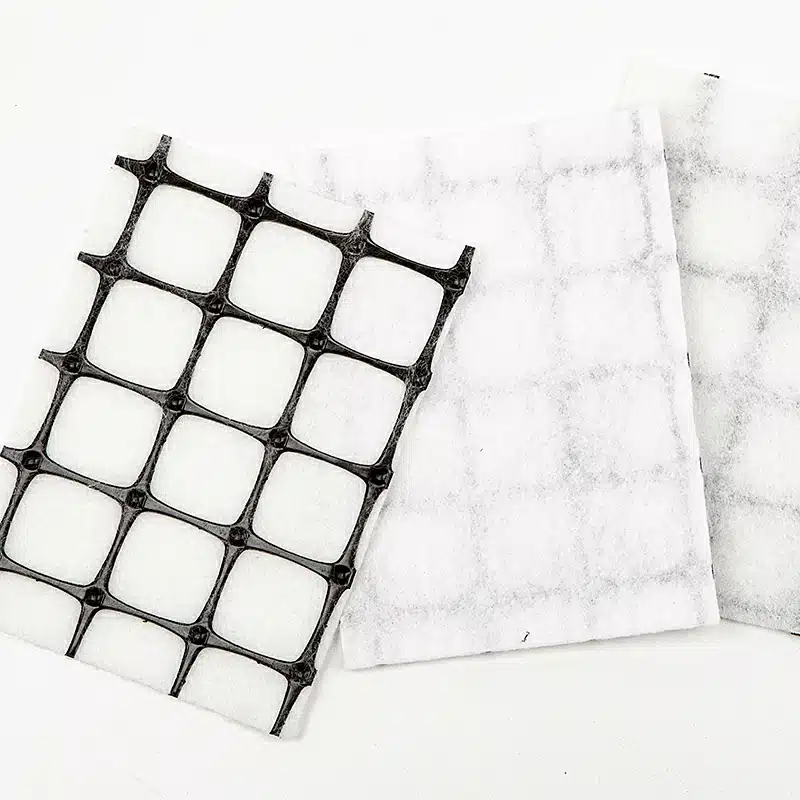
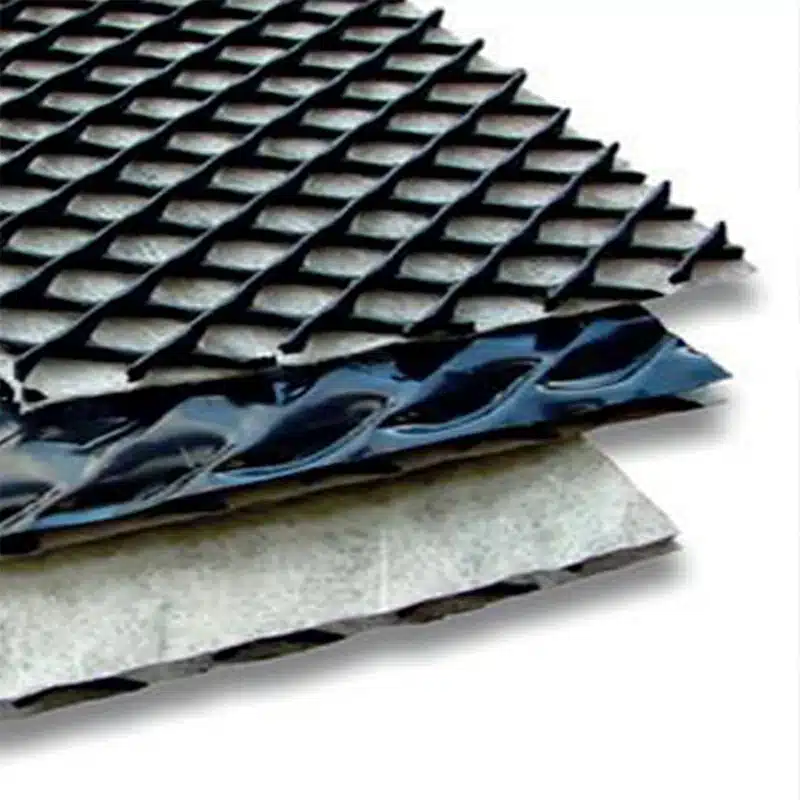
A geocomposite drain is a specially designed drainage system made from a combination of materials like geotextiles, geomembranes, and drainage cores. It’s engineered to gather, move, and redirect liquids or gases away from structures, preventing harm from water build-up. This system is used for drainage in embankments, retaining walls, and bridge abutments, ensuring efficient flow management to safeguard structures.
What are the advantages of geo drains?
- Enhanced Drainage Efficiency: Geo drains excel in swiftly managing water or gas flow, reducing pressure, and preventing soil erosion.
- Versatility in Applications: They adapt well to different soil conditions and construction projects, from highways to landfills, offering adaptability and effectiveness.
- Longevity and Durability: Engineered for resilience, they withstand harsh environmental conditions, ensuring extended functionality and structural integrity.
- Ease of Installation: Their lightweight and flexibility simplify installation, reducing labor and time, making them a cost-effective solution.
How are geocomposite drains installed?
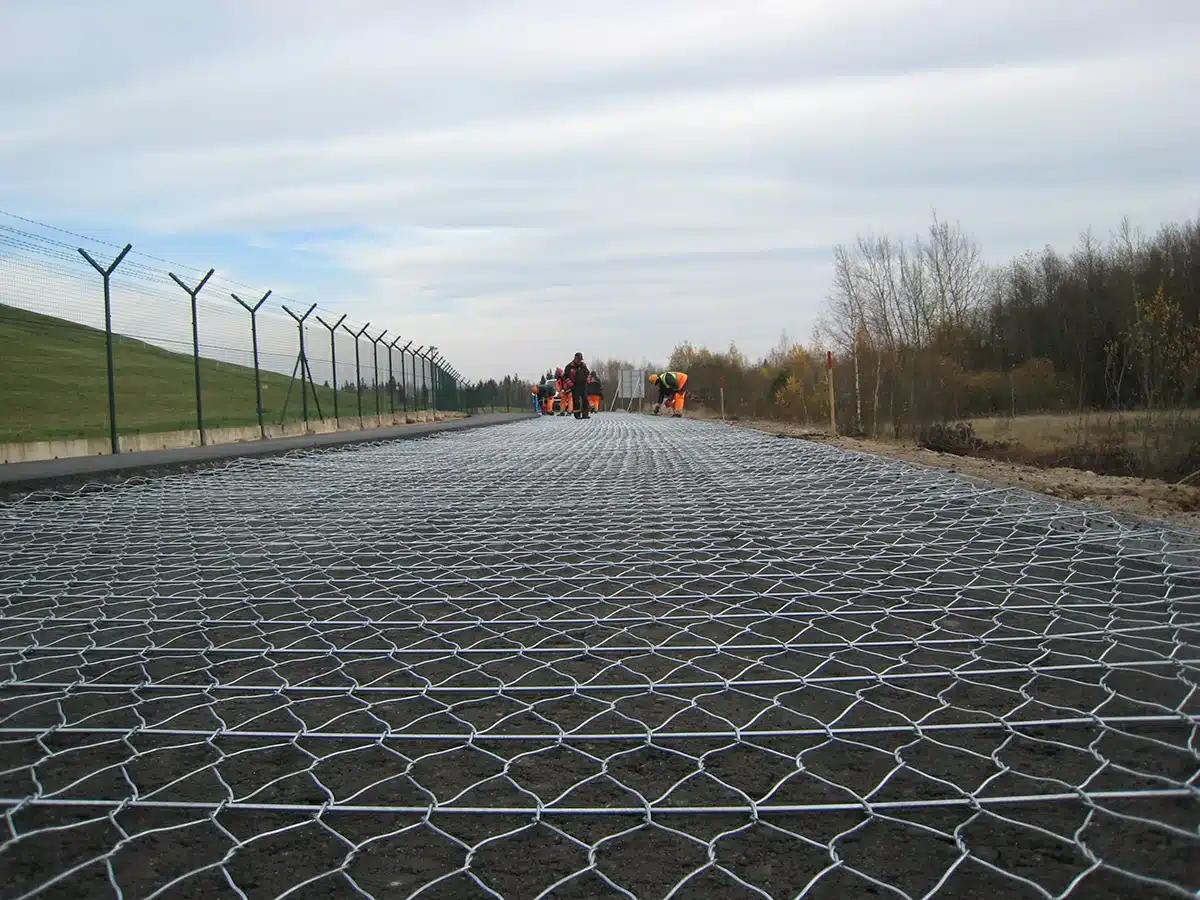
Geocomposite drains can be installed by trenching or wrapping around structures, depending on the project’s requirements. Typically, they are placed in strategic positions to intercept and redirect water flow away from critical areas.
In what construction scenarios are geocomposite drains most beneficial?
- Embankments: Used for drainage from basal layers, they prevent water accumulation, preserving the stability of embankments.
- Retaining Walls: Essential for drainage behind these walls, ensuring water doesn’t compromise their structural integrity.
- Bridge Abutments: Facilitate drainage around bridge abutments, safeguarding against water-related damage.
- General Construction: Valuable in any setting where efficient drainage is crucial, including roadways, athletic fields, and environmental protection projects like landfills.
Geocomposite drains represent an innovative solution in the construction realm, offering a blend of efficiency, adaptability, and longevity. Understanding their composition, advantages, installation methods, and suitable applications is pivotal for leveraging their benefits in diverse construction projects.


Comments
Post a Comment