Maximizing Stability with Geogrid for Soil Stabilization
Geogrid for soil stabilization is a powerful tool in civil engineering, ensuring the stability of various structures. This article delves into the concept of geogrid stabilization, its applications, and requirements, and answers key questions related to this innovative technology.
What is geogrid stabilization?
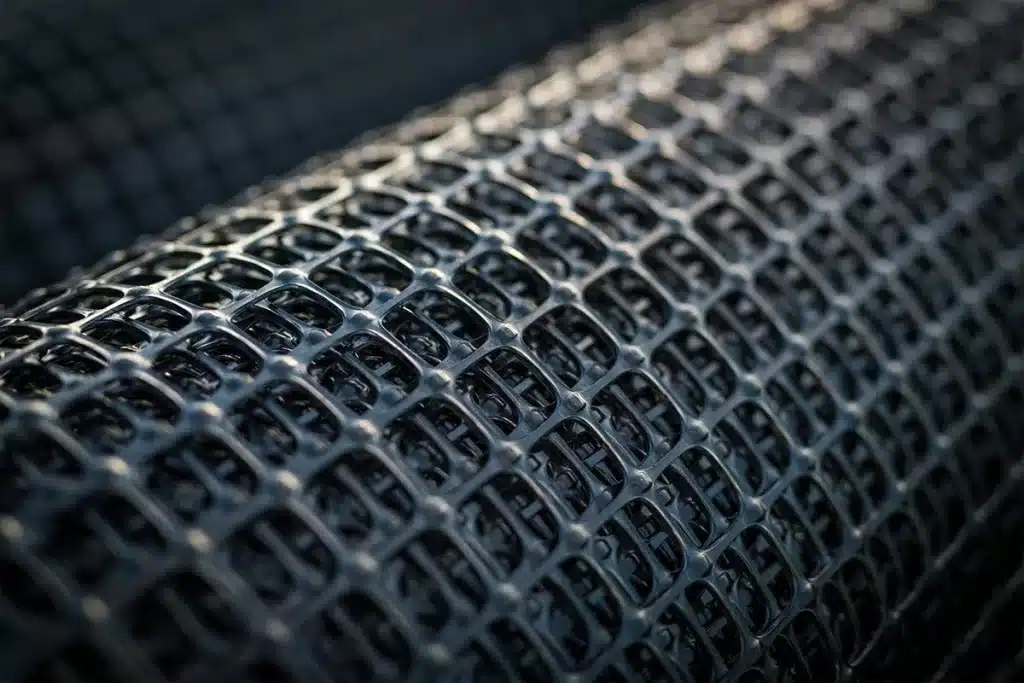
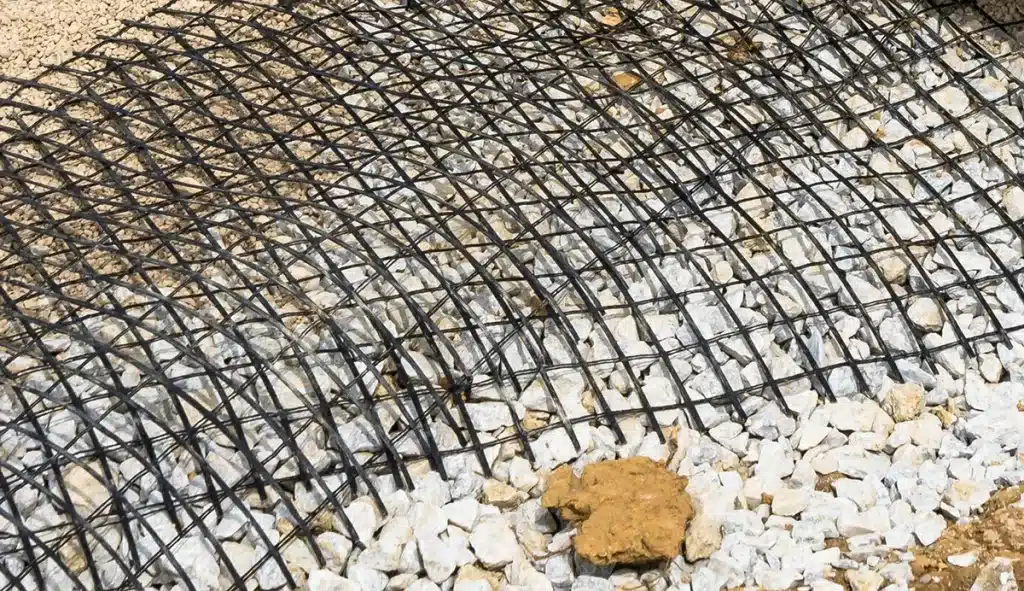
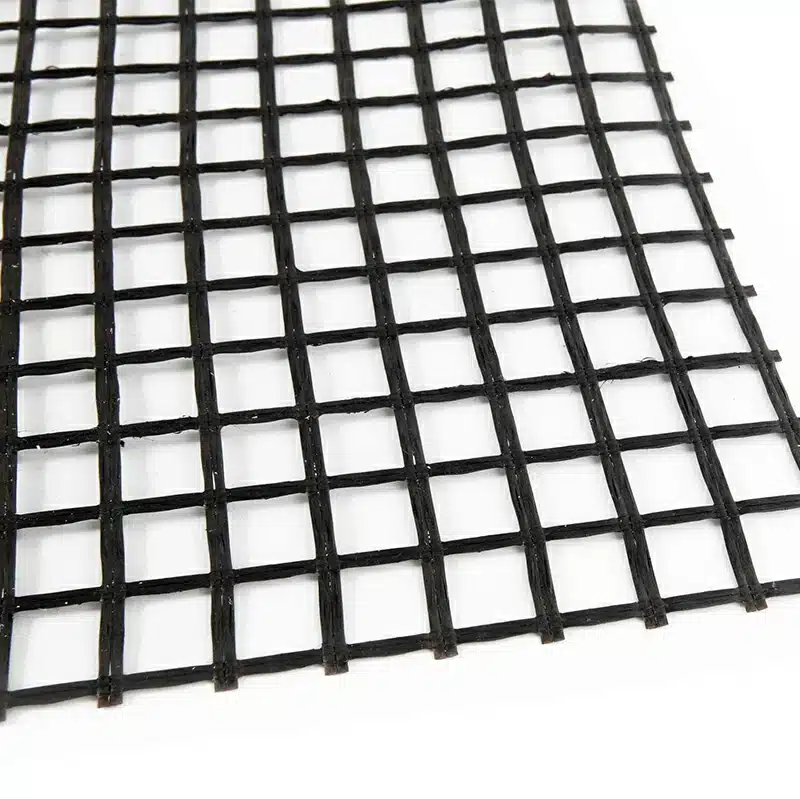
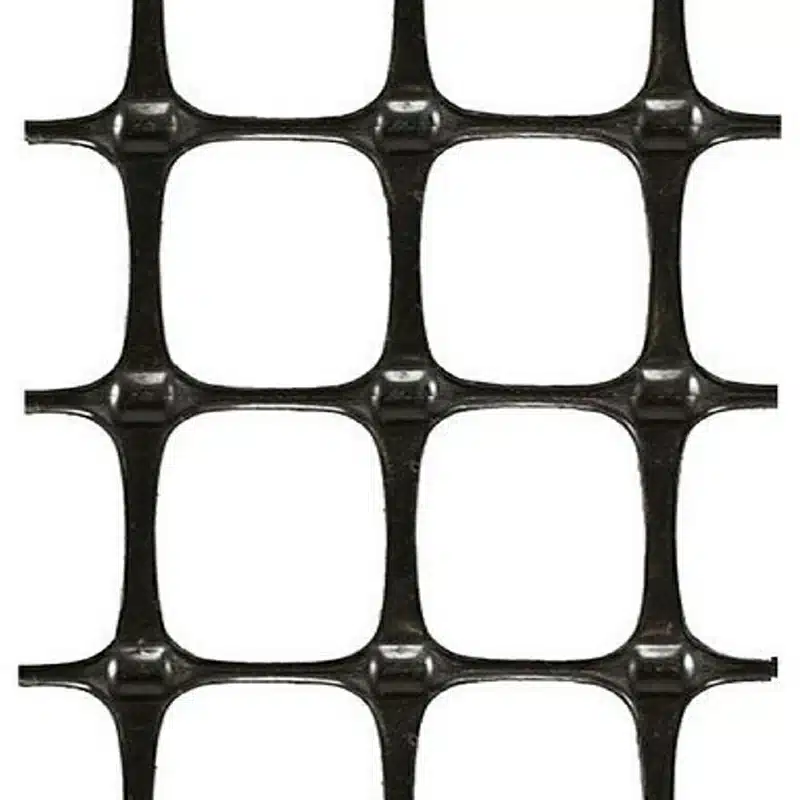
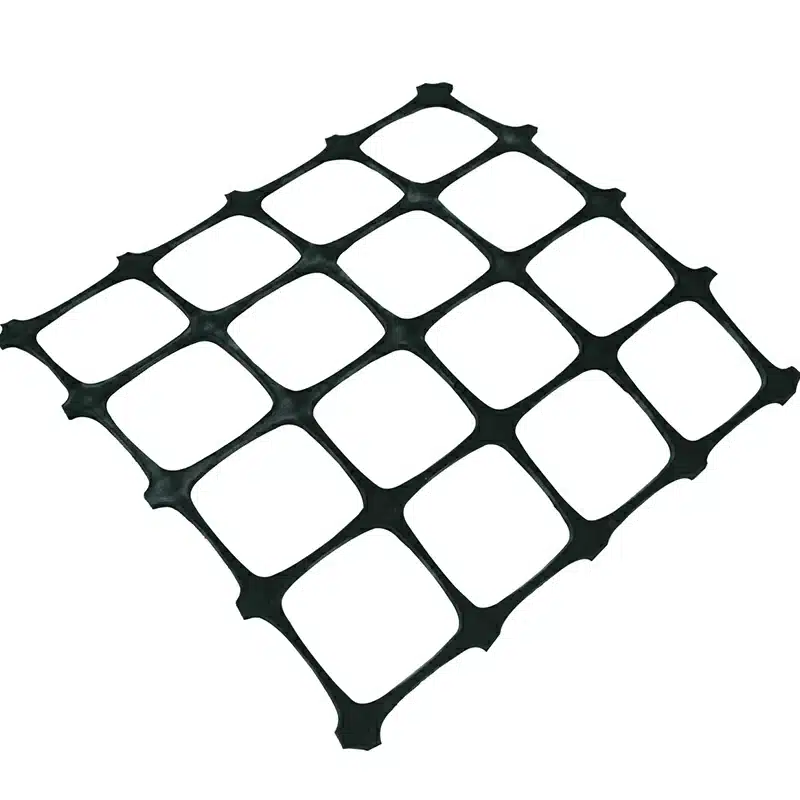
Geogrid stabilization is a method employed in civil engineering and construction to improve soil stability. Geogrids, made from synthetic materials like polymers or fiberglass, typically have openings that allow granular materials to interlock. They are arranged in a grid pattern and inserted into the soil, imparting tensile strength and enhancing load-bearing capacity. By distributing loads over a broader area, geogrids help diminish the risk of soil settlement and erosion.
How is geogrid used in soil stabilization?
Geogrids serve various purposes in soil stabilization:
- – Soil Reinforcement: Geogrids are laid horizontally in the soil to bolster it. They consolidate aggregate, carry variable loads, and ensure the dispersal of tensile forces, reducing the formation of ruts and deformation from frictional forces, thus enhancing their capacity to support structures like roads, embankments, and retaining walls.
- – Retaining Walls: In the construction of retaining walls, geogrids can be incorporated to stabilize the soil and boost the wall’s structural integrity.
- – Slope Stability: Geogrids are applied on steep slopes to prevent erosion and landslides, effectively securing the soil in place.
- – Pavement Construction: Geogrids play a key role in pavement construction by minimizing cracking and prolonging the lifespan of roads and parking lots.
What are the benefits of using geogrid for soil stabilization?
Using geogrid for soil stabilization offers several advantages. Some key benefits include:
- – Increased Load-Bearing Capacity: Geogrids improve the soil’s load-bearing capacity, allowing it to support heavier structures and traffic loads.
- – Preventing Soil Erosion: Geogrids help stabilize slopes and prevent soil erosion, preserving the integrity of infrastructure.
- – Extended Lifespan: Geogrids contribute to the longevity of construction projects by reducing the risk of settlement and shifting.
- – Cost-Efficiency: Geogrid stabilization can be a cost-effective solution when compared to traditional methods that may require more excavation and backfill.
Are there specific considerations for using geogrid in different soil types?
Yes, there are considerations when using geogrids in different soil types. The choice of geogrid material and design should be tailored to the specific characteristics of the soil. For example, cohesive soils may require a geogrid with different properties than granular soils. The interaction between the geogrid and the soil should be carefully evaluated to ensure compatibility and optimal performance. Additionally, geogrids may be used in combination with other soil stabilization techniques, such as geotextiles or soil nailing, to address unique challenges posed by different soil types.
In conclusion, geogrids are a versatile and effective solution for soil stabilization in civil engineering and construction projects. When used correctly and in line with specific project requirements, geogrids provide enhanced stability, increased load-bearing capacity, and reduced maintenance costs, making them a valuable tool in modern infrastructure development.


Comments
Post a Comment