Maximizing Long-Term Stability: Geogrids on Graded Slopes
Grading slopes for various construction and landscaping projects demands not only precision but also a focus on stability. One innovative solution to bolster slope stability is the use of geogrids. In this article, we explore the role of geogrids in slope grading and answer crucial questions about their application and benefits.
What is a geogrid for slope stability?
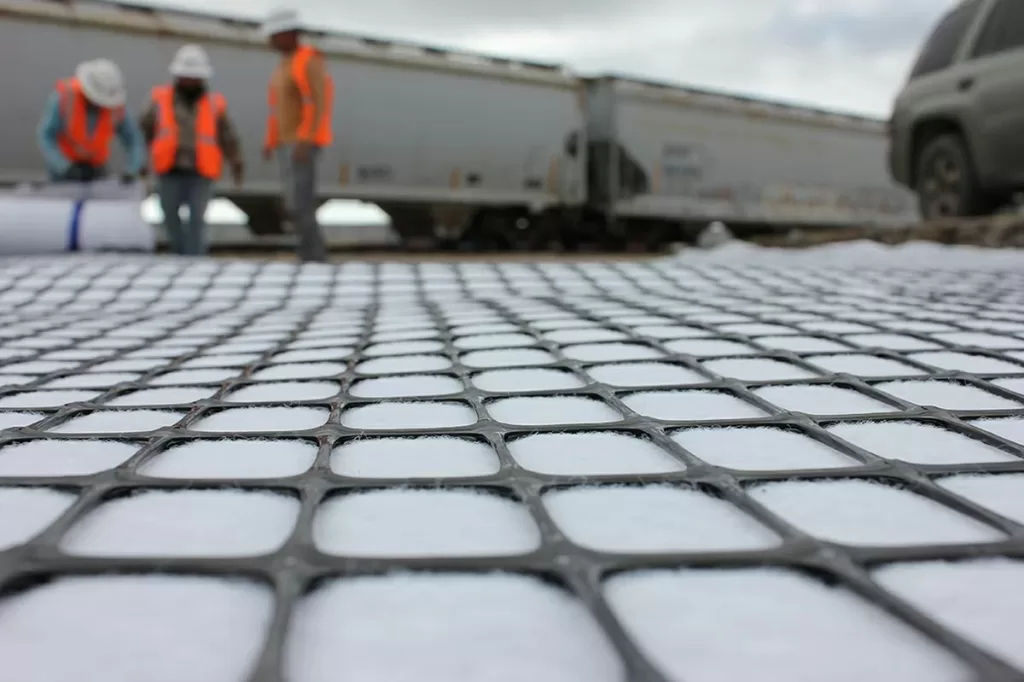
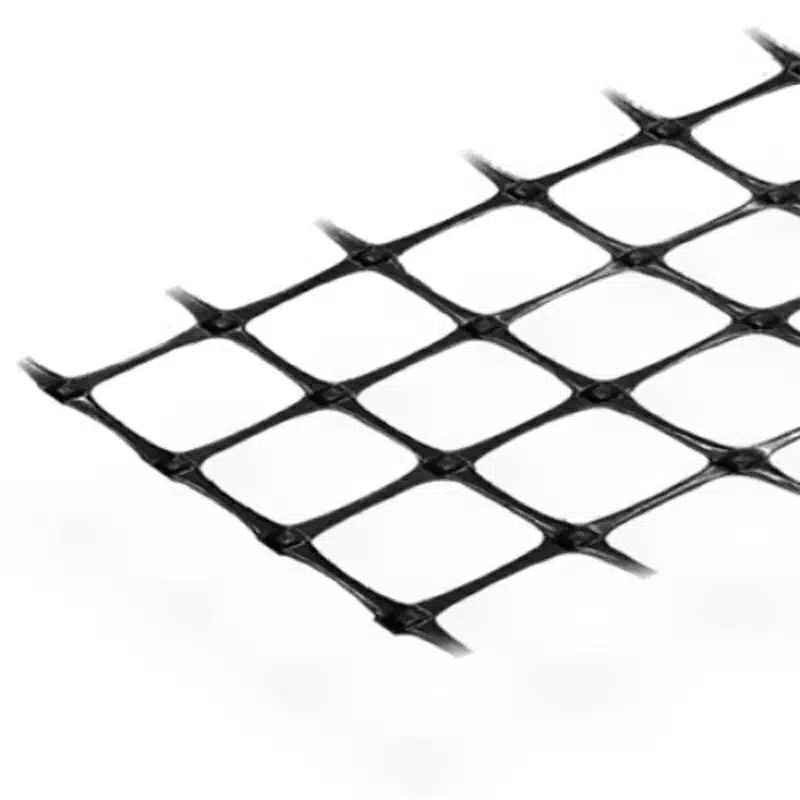
Slope Grid geogrids, made from synthetic materials like polyethylene or polyester, are used in grids, mesh, or sheets to bolster soil integrity and prevent erosion on slopes. They are perfectly designed for retaining embankment soil and encouraging natural vegetation growth.
What is the effect of geogrid inclusion on slope stability?
Including geogrids in slope grading projects brings multiple benefits, leading to increased slope stability:
- Improved Soil Reinforcement: Geogrids strengthen the soil, boosting shear strength to prevent slope failure from gravity and erosion.
- Reduced Erosion: Geogrids stabilize soil particles, curbing surface erosion and enhancing overall stability.
- Enhanced Load Distribution: Geogrids ensure even load distribution on the slope, reducing the potential for localized instability.
- Long-Term Stability: Geogrids prolong the graded slope’s lifespan by sustaining its stability over time.
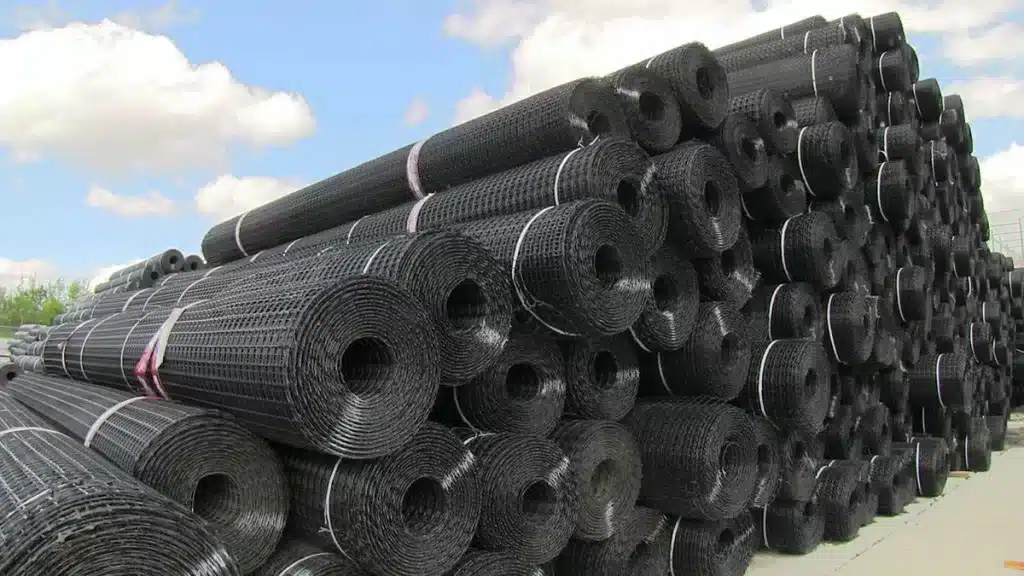
How do you install a geogrid on a slope?
Installing a geogrid on a slope is a systematic process:
- Site Evaluation: Assess the slope’s conditions, load requirements, and environmental factors to determine the appropriate geogrid type and specifications.
- Excavation: Prepare the slope by excavating and shaping it to the desired profile, taking care to remove any unstable or loose soil.
- Geogrid Placement: Unroll or place the geogrid material horizontally along the slope’s surface. Overlapping geogrid sheets can provide additional reinforcement.
- Anchoring: Secure the geogrid’s edges by burying them in a trench or using anchor pins to prevent uplift.
- Backfilling: Place backfill material over the geogrid and compact it in layers to ensure proper compaction and geogrid-soil interaction.
- Vegetation and Erosion Control: Implement erosion control measures, such as vegetation or erosion control mats, to protect the slope from surface erosion.
What are the key considerations when selecting a geogrid for slope grading?
Selecting the right geogrid is essential for a successful slope grading project. Consider the following factors:
- Material Type: Choose a geogrid material suitable for the environmental conditions and load requirements of the slope.
- Strength and Stiffness: Determine the necessary strength and stiffness characteristics based on the slope’s design and intended use.
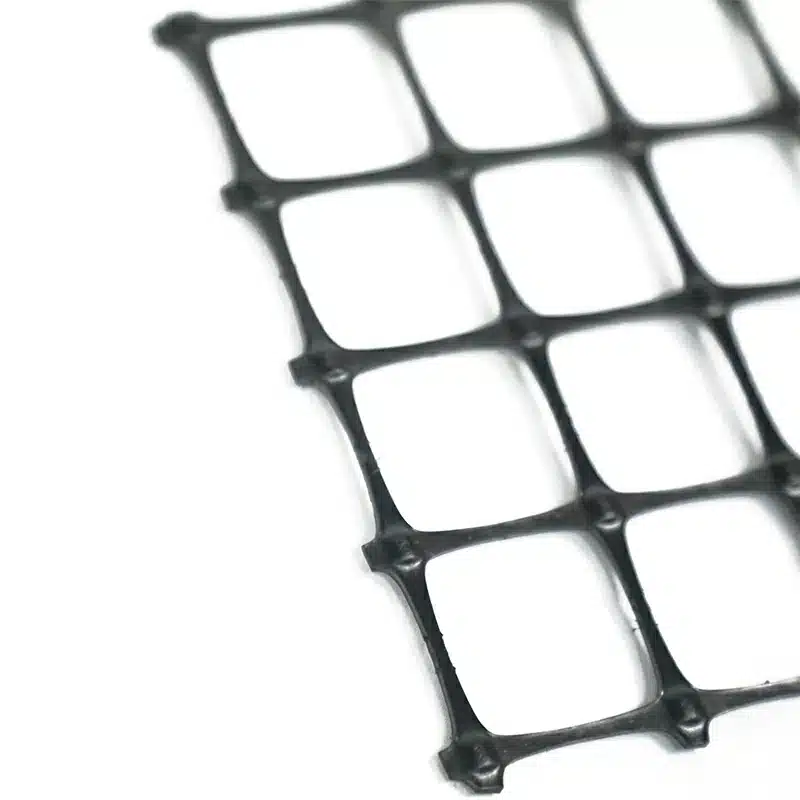
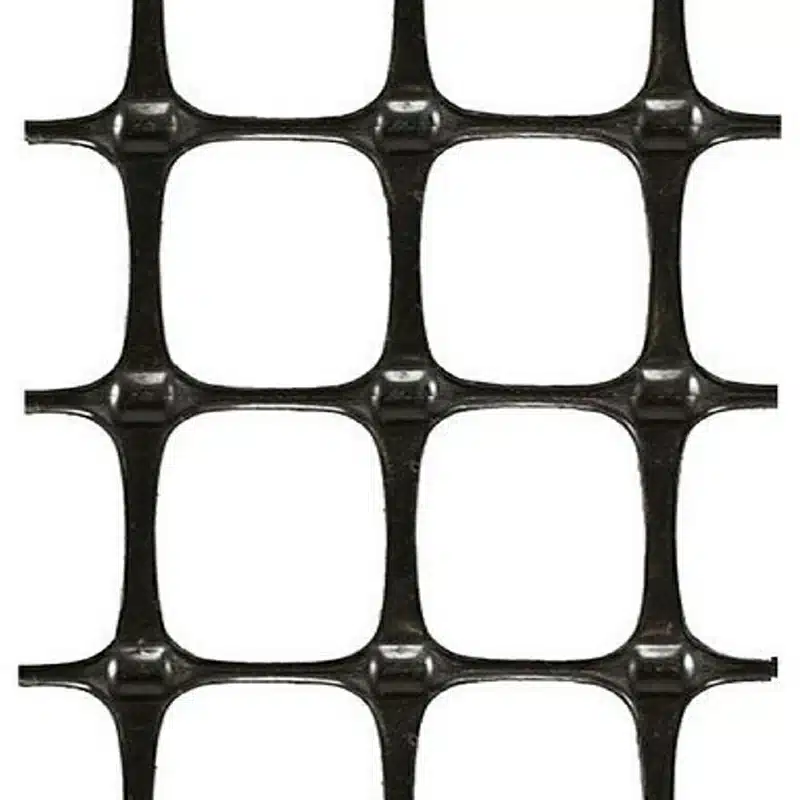
- Aperture Size: The geogrid’s aperture size affects its ability to interact with soil and retain particles. Smaller apertures are effective for preventing soil loss.
- Durability: Ensure the geogrid has sufficient resistance to environmental factors like UV exposure and chemical degradation.
- Installation Ease: Consider the ease of handling and installing the geogrid material.
Incorporating geogrids into your slope grading project can enhance stability, extend the slope’s longevity, and minimize erosion risks. By following proper installation techniques and choosing the right geogrid for your specific needs, you can achieve a reliable and sustainable graded slope that meets your project’s requirements.


Comments
Post a Comment